
Office Phone Number: (832) 644-8930
New Patient Appointments: (346) 662-1220
Cardiovascular disease can weaken the blood vessels that feed the brain. Research by NIH and Mayo Clinic shows that stroke is a leading cause of disability in the United States. A weakened heart increases the risk of a severe neurological event because stroke and heart issues often go hand in hand.
If you are experiencing a medical emergency, please call 911 immediately. To book an appointment, please call our office number at 832-644-8930. Visit our stroke care resource for more information on symptoms and quick response tips.
Healthy blood flow is key to a strong body. It keeps muscles, organs, and tissues working well. This helps us stay full of energy and strong.
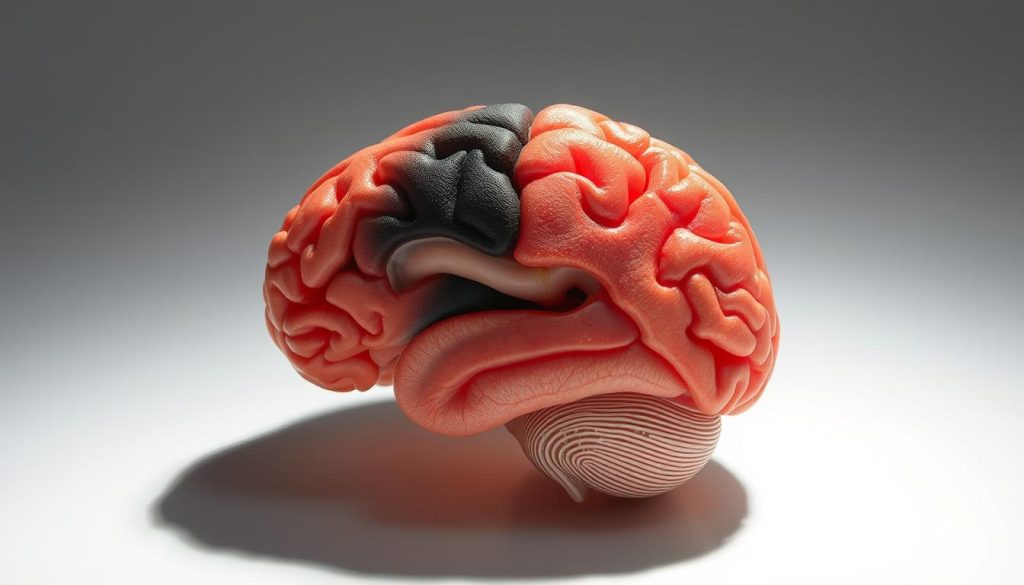
The American Heart Association says it’s important to control blood pressure and cholesterol. If blood vessels get too narrow, cells can’t get enough oxygen. This slows down healing and messes with important body functions.
By making healthy choices and getting regular check-ups, we can avoid big problems. This helps keep our bodies in balance.
The NIH points out that atrial fibrillation increases the risk of blood clots. These clots can travel to the brain and cause an ischemic stroke. It’s important to watch for changes in heart rhythm and get them checked out early.
If you’re having a medical emergency, call 911 right away. To schedule an appointment, call our office at 832-644-8930.
Stroke happens when blood flow to the brain stops. The NIH-funded Framingham Heart Research shows chronic conditions lead to serious problems. Mayo Clinic found that blood clots are more common in people with weak hearts.
Heart failure makes the heart pump less, causing fluid buildup and pressure. This poor circulation increases stroke risk. The American Heart Association stresses the need for quick action when the heart acts strangely. Early action can protect the brain.

If you’re facing a medical emergency, call 911 right away. To schedule a visit, call us at 832-644-8930. Getting checked early can prevent stroke-related issues. Spotting warning signs early improves your chances of better outcomes.
People with heart issues face serious problems. The NIH says high blood pressure, smoking, obesity, and not moving enough are big risks. The Mayo Clinic suggests keeping blood sugar stable and getting personal advice for better habits.
Heart failure happens when the heart can’t pump enough blood. This makes you more likely to have a stroke if you ignore the signs. If you’re having a heart attack, call 911 right away.
Not treating heart problems can lead to serious issues. Getting help quickly is key to managing these problems.
Having a family history of strokes or heart attacks can increase your risk. Diet, smoking, and not exercising also play a big role. Quitting smoking, exercising regularly, and eating well can help.
To make an appointment, call our office at 832-644-8930.
Programs like the NIH’s Know Stroke campaign help people spot warning signs fast. Remember F.A.S.T. (Face drooping, Arm weakness, Speech difficulty, Time to call 911) to act quickly. The American Heart Association says fast action is key to less brain damage.
Don’t skip routine checkups for early detection of heart issues. For heart screenings and tips, check out preventive heart care. If it’s an emergency, call 911. To schedule a visit, call 832-644-8930.
After a stroke, consistent care is vital. This includes rehab and meds for high blood pressure. A good exercise plan and healthy diet can prevent another stroke. Always report new symptoms to your doctor to avoid future problems.
| Prevention Step | Benefit |
|---|---|
| Regular Activity | Improves circulation and heart function |
| Healthy Diet | Supports stable blood pressure and cholesterol |
| Routine Screenings | Enables early detection of hidden risks |
| Smoke-Free Lifestyle | Reduces artery damage and stroke likelihood |
It’s important to understand how strokes and heart issues are connected. This knowledge helps families in the U.S. deal with heart disease better. Olympic sprinter Michael Johnson is a great example. He shows how early treatment and exercise can lead to big improvements.
Keeping blood pressure in check, managing atrial fibrillation, and treating heart failure are key. Health groups stress the need for quick action when symptoms show up. Quitting smoking and staying active also boost your health over time. If you’re facing a medical emergency, call 911 right away. To schedule a visit, call us at 832-644-8930.
With the right knowledge and habits, people can take control of their health. Even small changes can greatly reduce the risk of stroke or heart-related problems. This shows that a healthier future is within reach.
The heart pumps blood to the brain. If the heart gets weak, it can lead to a stroke. Heart problems like atrial fibrillation can cause blood clots, which can travel to the brain.
Blood clots can block blood flow to the brain. This lack of oxygen damages brain tissue. Heart problems can cause these clots, raising stroke risk. Managing heart health can help prevent clots.
Lifestyle choices like smoking and poor diet can harm heart health. Family history can also increase risk. But, healthy habits and quitting smoking can lower these risks.
Early detection leads to quick medical help. This can reduce brain damage and improve recovery chances. Recognizing signs like numbness or trouble speaking is key.
Regular checkups and managing health are essential. Exercise, a balanced diet, and avoiding tobacco also help. Staying in touch with your doctor is important too.
Post-stroke care includes therapy and medication adjustments. It aims to regain lost abilities and prevent more strokes. Lifestyle changes like better nutrition are also vital for recovery.
Every heart has a story…What’s yours?
Choose your appointment at one of our 7 locations