Office Phone Number:  (832) 644-8930

New Patient Appointments:  (346) 662-1220

Stress Test for the Heart: What to Expect and Why It Matters

Are you worried about your heart health but unsure where to start? A stress test might be the key. Heart disease is the leading cause of death worldwide, yet many people don’t know how to assess their risk. This guide breaks down everything you need to know about stress tests, helping you take control of your heart health.

  • What a stress test involves
  • How to prepare for the test
  • What the results mean
  • Real-life benefits
  • Tips for maintaining heart health after the test

At Modern Heart and Vascular, we specialize in cardiovascular care and have locations throughout the Houston area. Our experienced team is here to guide you every step of the way.
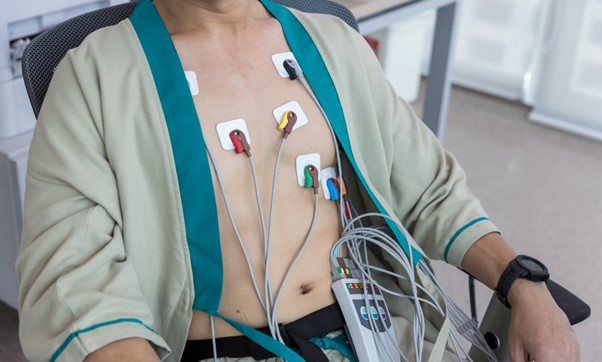
Stress Test

What a Stress Test Involves

A stress test, also known as an exercise stress test, gauges how your heart responds to physical activity. It’s a crucial tool for detecting heart problems that might not be noticeable during rest. During the test, you’ll typically walk on a treadmill or pedal a stationary bike while your heart rate, blood pressure, and breathing are monitored.

Here’s what to expect during the test:

  • Initial Check-Up: Before starting, a healthcare provider will check your vitals and gather your medical history.
  • Exercise Phase: You’ll begin with light exercise that gradually increases in intensity. The goal is to raise your heart rate to a target level.
  • Monitoring: Throughout the test, electrodes attached to your chest send data to an electrocardiogram (EKG) machine, tracking your heart’s activity.
  • Completion: After reaching your peak exercise level, you’ll gradually cool down while the monitoring continues.

Stress tests are designed to reveal issues like blocked arteries or irregular heart rhythms. These insights are invaluable for diagnosing conditions early and preventing more severe problems.

What the Results Mean

Understanding the results of your stress test is crucial for taking proactive steps toward your heart health. Here’s a breakdown of what you might learn from the test and what those findings can indicate:

Normal Results

  • Heart Function: If your heart functions well during increased activity without any abnormal rhythms or significant changes in blood pressure, your results are considered normal.
  • No Blockages: Normal results suggest that your coronary arteries are likely free from significant blockages, meaning blood flow to your heart is adequate during exercise.
  • Good Prognosis: A standard stress test usually indicates a lower risk of heart-related issues in the near future.

Abnormal Results

  • Reduced Blood Flow: Abnormal results can show that parts of your heart aren’t receiving enough blood during exercise. This could suggest blockages or narrowed arteries.
    • Angina: You might experience chest pain or discomfort, known as angina, indicating that your heart isn’t getting enough oxygenated blood.
  • Abnormal Heart Rhythms: Irregular heartbeats, or arrhythmias, detected during the test can point to underlying heart conditions.
    • Types of Arrhythmias: These can range from benign to serious. Identifying them early allows for timely management.
  • Poor Exercise Tolerance: Struggling to reach your target heart rate or having severe symptoms like dizziness or extreme shortness of breath might indicate underlying cardiovascular issues.
    • Heart Disease: Such symptoms often suggest the presence of heart disease or other cardiovascular problems that need further investigation.

Follow-Up Actions

  • Further Testing: Abnormal results often lead to more tests, like an echocardiogram or coronary angiography, to pinpoint the exact issue.
    • Echocardiogram: This ultrasound of the heart provides detailed images and helps assess heart function and structure.
    • Coronary Angiography: This test uses X-ray imaging to see the heart’s blood vessels and check for blockages.
  • Treatment Plan: Based on your results, your doctor might recommend lifestyle changes, medications, or even procedures to improve your heart health.
    • Lifestyle Changes: Diet, exercise, and stress management are often key components of a heart-healthy lifestyle.
    • Medications: Drugs to manage blood pressure, cholesterol, or other conditions may be prescribed.
    • Procedures: In some cases, procedures like angioplasty or surgery might be necessary to address significant blockages.

At Modern Heart and Vascular, our team takes a comprehensive approach to interpreting stress test results. We’ll explain what your results mean in simple terms and work with you to develop a personalized plan to manage your heart health.

Benefits of a Stress Test

Understanding the benefits of a stress test can motivate you to take this crucial step for your heart health. Here are the key advantages:

  • Early Detection
    • Identification of Blockages: Detects blockages in the coronary arteries that might not show symptoms at rest but cause issues during physical activity.
    • Prevention of Heart Attacks: Identifying these blockages early can prevent potential heart attacks by allowing timely interventions.
  • Risk Assessment
    • Cardiovascular Risk Profile: Provides a comprehensive view of your cardiovascular risk, helping to predict future heart issues.
    • Exercise Capacity: Assesses how well your heart functions under stress, giving a clear picture of your overall heart health.
  • Tailored Treatment
    • Personalized Plan: This allows your doctor to develop a treatment plan tailored specifically to your heart’s condition and performance.
    • Medication Adjustments: Helps in fine-tuning medications to better manage heart health and related conditions.
  • Preventative Care
    • Lifestyle Changes: This section highlights the need for specific lifestyle changes, such as diet and exercise, to reduce the risk of heart disease progression.
    • Regular Monitoring: Encourages regular check-ups and monitoring to keep track of heart health over time.
  • Peace of Mind
    • Reassurance: Provides peace of mind by confirming the current state of your heart health, whether it’s good or needs attention.
    • Clarity and Direction: This section clarifies the steps needed to maintain or improve heart health reducing anxiety about the unknown.

Tips for Maintaining Heart Health After the Test

Maintaining heart health after your stress test is crucial. Here are some tips to keep your heart in top shape:

1. Regular Exercise

  • Aim for at least 150 minutes of moderate-intensity exercise per week.
  • Incorporate a mix of cardio, strength training, and flexibility exercises.

2. Healthy Diet

  • Focus on a diet rich in fruits, vegetables, whole grains, and lean proteins.
  • Limit intake of saturated fats, trans fats, salt, and sugar.

3. Manage Stress

  • Practice relaxation techniques like deep breathing, meditation, or yoga.
  • Ensure you have time for hobbies and activities you enjoy.

4. Regular Check-Ups

  • Schedule regular visits with your healthcare provider to monitor your heart health.
  • Follow your doctor’s advice on medications and lifestyle changes.

5. Avoid Smoking and Limit Alcohol

  • If you smoke, seek help to quit. Smoking significantly increases heart disease risk.
  • Limit alcohol consumption to moderate levels.

6. Stay Hydrated

  • Drink plenty of water throughout the day to support overall health.
  • Avoid excessive consumption of caffeinated or sugary beverages.

Protect Your Heart with Modern Heart and Vascular

Taking care of your heart is essential, and understanding stress tests is a big step in the right direction.

Here’s a quick recap of what we’ve covered:

  • What a Stress Test Involves: From the initial check-up to monitoring, we broke down each step.
  • How to Prepare for the Test: Detailed prep tips to ensure accuracy and comfort.
  • What the Results Mean: Insights into normal and abnormal results and next steps.
  • Benefits of a Stress Test: Early detection, risk assessment, and peace of mind.
  • Tips for Maintaining Heart Health: Practical steps for ongoing heart care.

Modern Heart and Vascular is dedicated to helping you maintain a healthy heart. Our expert team and state-of-the-art facilities across the Houston area ensure you get the best care. Trust us to guide you through stress tests and beyond for a healthier, stronger heart.

Modern Heart And Vascular

Our cardiovascular center is dedicated to heart health and helping our patients manage vascular and heart-related conditions.
Modern Heart and Vascular logo

CARDIOVASCULAR CENTERS IN HOUSTON, TEXAS

Modern Heart and Vascular, a preventive cardiology medical practice, has several offices around Houston. We have locations in Humble, Cleveland, The Woodlands, Katy, and Livingston.

We are Modern Heart and Vascular Institute, a diagnostic and preventative medicine cardiology practice.

Every heart has a story… What’s yours?

Book an Appointment Today

At the Modern Heart and Vascular Institute, we offer state-of-the-art cardiovascular care with innovative diagnostic tools and compassionate patient care. Our priority at Modern Heart and Vascular Institute is prevention. We help patients lead healthier lives by avoiding unnecessary procedures and surgeries.

Contact us online to learn more and book an appointment. If you’d like to learn more about our practice, read our providers’ bios.

This article does not provide medical advice. It is intended for informational purposes only. It is not a substitute for professional medical advice, diagnosis, or treatment. If you need cardiovascular care, please call us at 832-644-8930.

Modern Heart And Vascular

All Modern Heart and Vascular content is reviewed by our team before publication. While the educational information we provide is intended to be accurate, this content is not a substitute for a consultation with a doctor to address your unique symptoms and establish a treatment plan.

Request an
Appointment

Every heart has a story…What’s yours?
Choose your appointment at one of our 7 locations