Office Phone Number:  (832) 644-8930

New Patient Appointments:  (346) 662-1220

High Blood Pressure Numbers: What’s Normal, What’s Not, and What to Do

Are your blood pressure numbers putting you at risk? High blood pressure isn’t just about feeling dizzy; it can silently damage your heart and arteries. Many people aren’t aware of what their numbers truly mean or what steps they should take. Understanding these numbers can make a big difference in your health.

Here’s what we’ll cover:

  • What constitutes normal vs. high blood pressure
  • How to interpret your numbers
  • Critical strategies for managing high blood pressure
  • When to seek professional help

At Modern Heart and Vascular, we’re here to help you get a clear picture of your heart health and provide personalized care. Let’s get started on a path to better health.
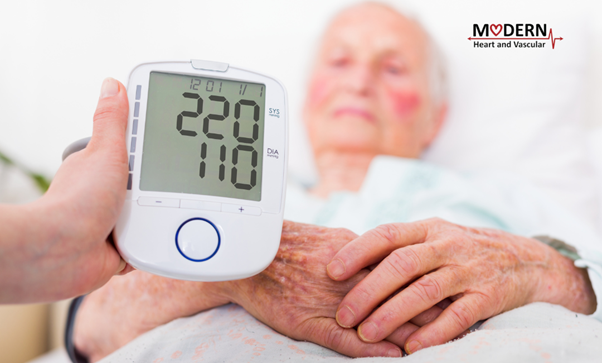
High Blood Pressure Numbers

What Constitutes Normal vs. High Blood Pressure

Blood pressure readings can seem like a foreign language, but getting a grip on them is crucial for maintaining heart health. Here’s a quick breakdown:

  • Normal Blood Pressure: Typically, a reading below 120/80 mm Hg is considered normal. This means your heart is pumping blood efficiently without excessive force against the artery walls.
  • Elevated Blood Pressure: Readings ranging from 120-129/80 mm Hg suggest that your blood pressure is higher than ideal but not yet in the high range. It’s a warning sign to keep an eye on your numbers.
  • High Blood Pressure Stage 1: If your reading is between 130-139/80-89 mm Hg, you’re in stage 1 hypertension. This is a signal to start making lifestyle changes and consider talking to a healthcare provider.
  • High Blood Pressure Stage 2: Readings of 140/90 mm Hg or higher indicate stage 2 hypertension. At this stage, more intensive management and medication may be necessary to control your blood pressure.

Understanding these categories helps you gauge where you stand and take appropriate action. Regular monitoring and consultations can keep your blood pressure in check and reduce the risk of serious health issues.

How to Interpret Your Numbers?

Interpreting your blood pressure numbers isn’t just about knowing the range; it’s about understanding what those numbers mean for your health. Here’s a simple guide to help you make sense of your readings:

  • Systolic Pressure: This is the top number in your reading and measures the pressure in your arteries when your heart beats. High systolic pressure can indicate that your heart is working harder than it should be.
  • Diastolic Pressure: The bottom number measures the pressure in your arteries between heartbeats. Elevated diastolic pressure can signal increased resistance in your arteries, which can lead to heart disease.
  • Understanding the Readings Together: A single high reading doesn’t always mean you have high blood pressure. Blood pressure can vary throughout the day. It’s essential to consider multiple readings over time to get an accurate picture of your health.
  • Factors Affecting Readings: Stress, caffeine, and even the time of day can impact your blood pressure. Consistent monitoring and noting any factors that might affect your readings can help you and your healthcare provider determine your actual blood pressure status.

Regular monitoring and correct interpretation of these numbers are key to managing your health. At Modern Heart and Vascular, we provide tools and support to help you understand your readings and take proactive steps for a healthier heart.

Key Strategies for Managing High Blood Pressure

Managing high blood pressure involves a combination of lifestyle changes and, if needed, medical interventions. Here’s a detailed look at effective strategies to keep your numbers in check:

1. Adopt a Heart-Healthy Diet

Eating a balanced diet is crucial for managing high blood pressure. Focus on:

  • Fruits and Vegetables: Aim for a variety of colors and types. These foods are rich in potassium, which helps balance sodium levels and supports healthy blood pressure.
  • Whole Grains: Incorporate oats, quinoa, and brown rice. Whole grains help reduce cholesterol levels and improve heart health.
  • Lean Proteins: Opt for fish, poultry, and plant-based proteins like beans and lentils. These provide essential nutrients without excessive saturated fats.
  • Limit Salt: Excess sodium can raise blood pressure. Reduce your intake by cutting back on processed foods and using herbs and spices for flavor instead.

2. Maintain a Healthy Weight

Excess weight puts added strain on your heart and can raise blood pressure. To manage your weight:

  • Set Realistic Goals: Aim for a gradual weight loss of 1-2 pounds per week. Quick fixes often need to be more sustainable.
  • Exercise Regularly: Incorporate at least 150 minutes of moderate aerobic activity, like brisk walking or cycling, each week. Combine this with strength training exercises twice a week.
  • Monitor Portions: Pay attention to portion sizes to avoid overeating. Smaller, more frequent meals can help control hunger and prevent weight gain.

3. Exercise Regularly

Regular physical activity strengthens the heart and helps manage blood pressure. Key points include:

  • Choose Activities You Enjoy: Whether it’s swimming, dancing, or hiking, enjoying your exercise makes it easier to stick with it.
  • Mix It Up: Combine aerobic exercises, like running or cycling, with strength training to improve overall fitness and heart health.
  • Stay Consistent: Aim for at least 30 minutes of exercise most days of the week. Consistency is key for long-term benefits.

4. Limit Alcohol Intake

Excessive alcohol consumption can raise blood pressure. To moderate your intake:

  • Follow Guidelines: Men should limit alcohol to two drinks per day, while women should stick to one. One drink equals 12 ounces of beer, 5 ounces of wine, or 1.5 ounces of spirits.
  • Monitor Consumption: Track your alcohol intake to ensure it stays within recommended limits. If you’re unsure, consult with a healthcare provider for personalized advice.

5. Quit Smoking

Smoking damages blood vessels and raises blood pressure. To quit:

  • Seek Support: Consider joining a support group or using quit-smoking aids like nicotine patches or medications.
  • Understand Triggers: Identify situations or emotions that trigger the urge to smoke and find alternative ways to cope with them.
  • Set a Quit Date: Choose a specific day to stop smoking and prepare by removing cigarettes and smoking-related items from your environment.

6. Manage Stress

Chronic stress can contribute to high blood pressure. To manage stress:

  • Practice Relaxation Techniques: Techniques like deep breathing, meditation, and yoga can help calm your mind and body.
  • Stay Organized: Effective time management can reduce stress related to work and daily responsibilities.
  • Connect with Others: Build a support network of friends and family to share your challenges and successes.

7. Take Medications as Prescribed

If lifestyle changes alone aren’t enough, your doctor might prescribe medications. To manage them effectively:

  • Follow Instructions: Take your medications exactly as prescribed. Skipping doses or adjusting the dose can impact effectiveness.
  • Keep Track: Use a pill organizer or smartphone app to remember your medication schedule.
  • Discuss Side Effects: Report any side effects to your healthcare provider. They can help adjust your treatment to minimize issues.

Implementing these strategies can help you manage high blood pressure effectively.

When to Seek Professional Help

Knowing when to seek professional help is crucial for effectively managing high blood pressure and preventing complications. Here are vital signs and situations that indicate it’s time to consult with a healthcare provider:

  • Consistently High Readings: If your blood pressure readings remain above 140/90 mm Hg despite lifestyle changes, it’s essential to seek medical advice. Persistent high readings can indicate that your current management plan isn’t sufficient and may require adjustment or medication.
  • Symptoms of Hypertension Crisis: If you experience severe symptoms such as:
    • Headaches
    • Shortness of Breath
    • Chest Pain
    • Vision Problems
  • Seek immediate medical attention. These symptoms could be signs of a hypertensive crisis, which requires urgent treatment to prevent severe complications like stroke or heart attack.
  • Difficulty Managing Blood Pressure: If you’ve made lifestyle changes and are still struggling to control your blood pressure, consult a healthcare provider. They can assess your situation, review your treatment plan, and explore additional options or medications.
  • New or Worsening Symptoms: Any new symptoms or worsening of existing symptoms, such as persistent fatigue, dizziness, or swelling, should be discussed with a healthcare professional. These could be related to high blood pressure or other underlying health issues.
  • Routine Check-Ups: Even if you’re feeling fine, regular check-ups are essential. These visits allow your healthcare provider to monitor your blood pressure, assess your risk factors, and adjust your management plan as needed.
  • Family History of Heart Disease: If you have a family history of heart disease or high blood pressure, regular consultations with a healthcare provider are essential. They can help you understand your risk and implement preventive measures early on.

Keeping Your Blood Pressure in Check: Get the Support You Need

Understanding and managing your blood pressure is critical to maintaining heart health. From recognizing normal ranges to implementing effective strategies, staying informed and proactive can make all the difference.

Key takeaways:

  • Know what constitutes normal vs. high blood pressure
  • Interpret your numbers accurately
  • Implement lifestyle changes to manage high blood pressure
  • Seek professional help when necessary

Modern Heart and Vascular is committed to guiding you on your path to better heart health. Our team is here to help you understand your numbers and take the proper steps for a healthier life.

Modern Heart And Vascular

Our cardiovascular center is dedicated to heart health and helping our patients manage vascular and heart-related conditions.
Modern Heart and Vascular logo

CARDIOVASCULAR CENTERS IN HOUSTON, TEXAS

Modern Heart and Vascular, a preventive cardiology medical practice, has several offices around Houston. We have locations in Humble, Cleveland, The Woodlands, Katy, and Livingston.

We are Modern Heart and Vascular Institute, a diagnostic and preventative medicine cardiology practice.

Every heart has a story… What’s yours?

Book an Appointment Today

At the Modern Heart and Vascular Institute, we offer state-of-the-art cardiovascular care with innovative diagnostic tools and compassionate patient care. Our priority at Modern Heart and Vascular Institute is prevention. We help patients lead healthier lives by avoiding unnecessary procedures and surgeries.

Contact us online to learn more and book an appointment. If you’d like to learn more about our practice, read our providers’ bios.

This article does not provide medical advice. It is intended for informational purposes only. It is not a substitute for professional medical advice, diagnosis, or treatment. If you need cardiovascular care, please call us at 832-644-8930.

Modern Heart And Vascular

All Modern Heart and Vascular content is reviewed by our team before publication. While the educational information we provide is intended to be accurate, this content is not a substitute for a consultation with a doctor to address your unique symptoms and establish a treatment plan.

Request an
Appointment

Every heart has a story…What’s yours?
Choose your appointment at one of our 7 locations