
Office Phone Number: (832) 644-8930
New Patient Appointments: (346) 662-1220
Have you ever felt a pounding headache, like someone’s hammering away inside your skull? It might not just be stress. What if we told you it could be a sign of high blood pressure? A silent threat that often goes unnoticed.
We’ve got you covered. In this article, we’re going to unpack everything you need to know about high blood pressure headaches:
And if you’re in the Houston area and concerned about your heart health, the experts at Modern Heart and Vascular are here to help. We’re all about providing top-notch care and personalized treatment plans.
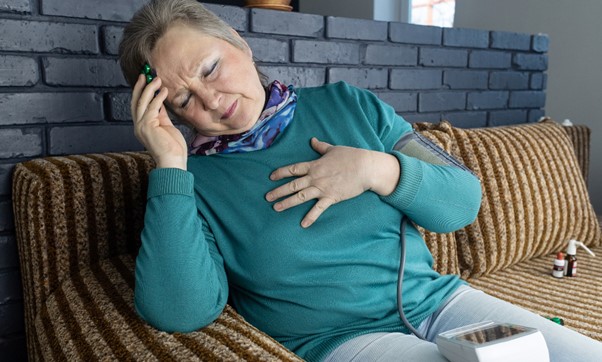
We all get headaches. Maybe you’ve had one after a long day staring at a screen or when you’re feeling stressed out. But here’s the thing: not all headaches are created equal. A high blood pressure headache (hypertensive headache) is a different breed, and it’s essential to know the signs.
A high blood pressure headache typically feels like:
In some cases, you might experience other symptoms along with the headache, such as:
Don’t panic if you have a few of these symptoms. They don’t automatically mean you have high blood pressure, but they do mean it’s time to take action.
If you’re experiencing these symptoms, it’s crucial to get your blood pressure checked. Ignoring a high blood pressure headache can be risky. It could be a sign of a hypertensive crisis, a dangerous condition that requires immediate medical attention.
Remember that a headache isn’t always just a headache. It could be your body’s way of sending you a warning signal. So listen up, and take care of your heart.
Now, you might be wondering, “Why does high blood pressure cause these awful headaches?” It’s a fair question. Let’s break it down.
Think of your blood vessels as a network of highways for your blood. When your blood pressure is high, those highways are jammed with traffic. This increased pressure can strain your blood vessels, especially the delicate ones in your brain.
This strain triggers a series of events:
1. Stretching and Swelling: The blood vessels in your brain become stretched and swollen.
2. Nerve Signals: These stretched vessels send out pain signals to your brain.
3. Headache Time: Your brain interprets these signals as a throbbing, pounding headache.
In extreme cases, sky-high blood pressure can cause a hypertensive crisis. This is a dangerous situation where your blood pressure spikes to dangerously high levels. A sudden, severe headache is one of the key warning signs. If this happens, it’s crucial to get medical help right away.
Don’t worry—you’re not powerless against these headaches. There are steps you can take to find relief and prevent them from happening.
When a high blood pressure headache strikes, here’s what you can do:
Keep a headache diary. Track when your headaches occur, how severe they are, and what you were doing beforehand. This can help you and your doctor identify triggers and develop a treatment plan.
The key to preventing high blood pressure headaches is to manage your blood pressure. Here’s how:
Avoid managing high blood pressure on your own. Instead, work with your doctor to develop a personalized treatment plan that’s right for you.
If you’re looking for expert guidance in the Houston area, the team at Modern Heart and Vascular is here for you. We specialize in cardiovascular health and can help you take control of your blood pressure and prevent those headaches.

If you’re in the throes of a high blood pressure headache, your first move should be to check your blood pressure. If it’s sky-high, seek immediate medical help. Otherwise, try:
It’s not your average headache. A high blood pressure headache typically:
If you’re experiencing a hypertensive crisis (dangerously high blood pressure), seek emergency medical care immediately. For less severe cases, you can try:
These are just temporary fixes. To truly manage your blood pressure, you need a long-term plan.
The first step is to identify what might have caused the spike. Was it stress, caffeine, or something else? Once you know the trigger, you can take steps to avoid it in the future.
At the moment, try:
If you experience frequent blood pressure spikes, talk to your doctor. They can help you develop a plan to manage your blood pressure and reduce your risk of complications.
High blood pressure headaches aren’t just a pain but a sign that something needs attention. By understanding the symptoms, causes, and treatment options, you can take the reins and steer your health in the right direction.
Key takeaways:
At Modern Heart and Vascular, we’re committed to helping you live a healthier, headache-free life. Our team of experts can guide you through managing your blood pressure and offer personalized treatment plans. Don’t let those headaches hold you back – reach out to us today.

CARDIOVASCULAR CENTERS IN HOUSTON, TEXAS
Modern Heart and Vascular, a preventive cardiology medical practice, has several offices around Houston. We have locations in Humble, Cleveland, The Woodlands, Katy, and Livingston.
We are Modern Heart and Vascular Institute, a diagnostic and preventative medicine cardiology practice.
Every heart has a story… What’s yours?
Book an Appointment Today
At the Modern Heart and Vascular Institute, we offer state-of-the-art cardiovascular care with innovative diagnostic tools and compassionate patient care. Our priority at Modern Heart and Vascular Institute is prevention. We help patients lead healthier lives by avoiding unnecessary procedures and surgeries.
Contact us online to learn more and book an appointment. If you’d like to learn more about our practice, read our providers’ bios.
This article does not provide medical advice. It is intended for informational purposes only. It is not a substitute for professional medical advice, diagnosis, or treatment. If you need cardiovascular care, please call us at 832-644-8930.
Every heart has a story…What’s yours?
Choose your appointment at one of our 7 locations