Office Phone Number:  (832) 644-8930

New Patient Appointments:  (346) 662-1220

Diabetic Heart Health

Understanding Diabetic Heart Health: Your Essential Guide

Did you know that people with diabetes are two to four times more likely to develop heart disease? It’s a scary statistic, but don’t worry, we’re here to help. This guide is your one-stop shop for understanding how diabetes and heart health are connected.

We’ll cover everything from the why to the how:

  • The link between diabetes and heart disease
  • Risk factors you should know
  • Lifestyle changes that can make a big difference
  • Treatment options to keep your heart strong

Think of this guide as your roadmap to a healthier heart. And hey, if you’re in the Houston area, Modern Heart and Vascular has a team of cardiologists ready to support you on your treatment. We have locations all over the city, so finding one near you is a breeze.
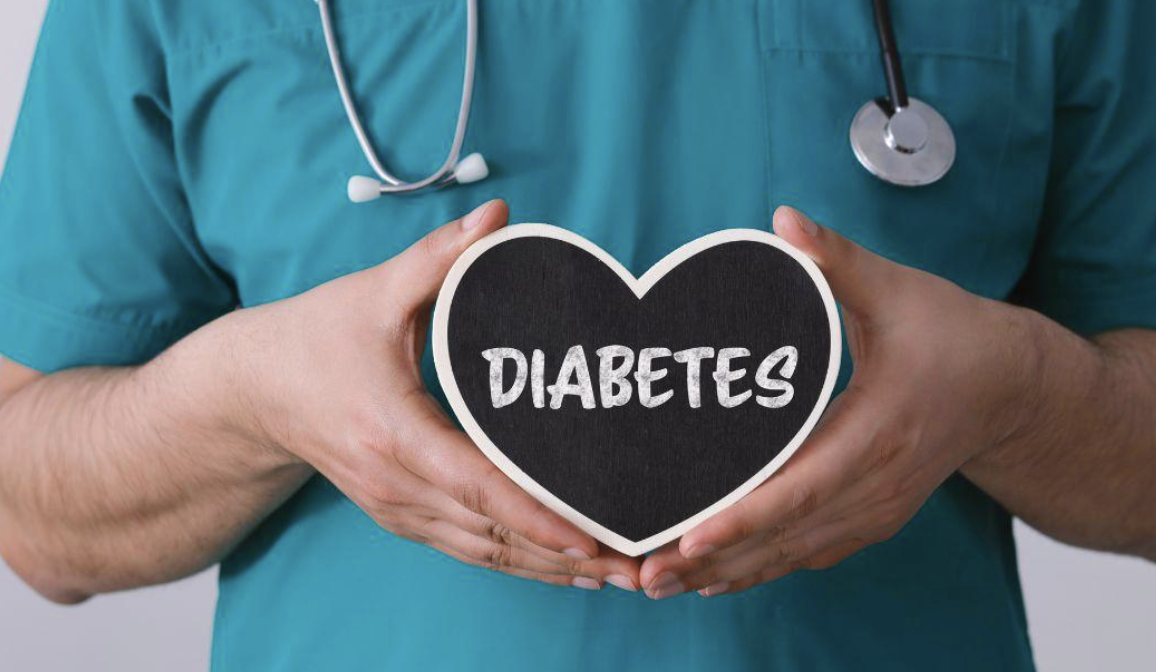
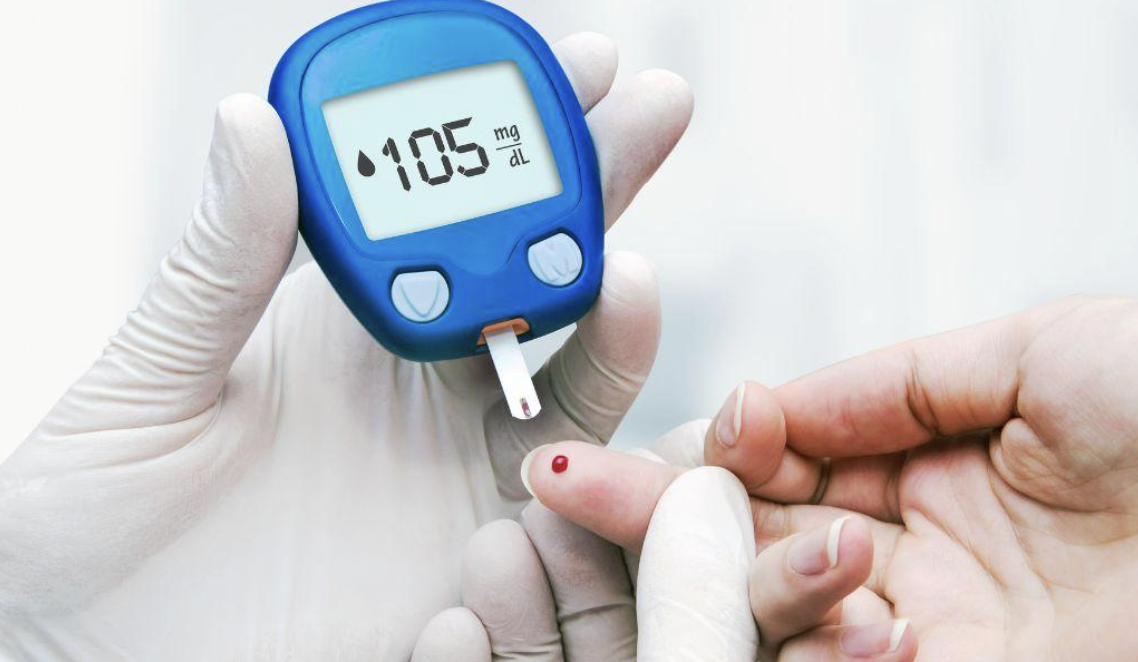
The Link Between Diabetes And Heart Disease

the link between heart disease and diabetes

Having diabetes doesn’t mean a heart attack is a foregone conclusion. But it does mean you need to be extra vigilant about your heart health. Think of it like this: diabetes throws a few extra hurdles in the path to a healthy heart.

High blood sugar, a hallmark of diabetes, can damage your blood vessels over time. This damage makes it easier for plaque to build up, narrowing those vessels and making your heart work harder. It’s like trying to water your garden with a kinked hose –– the water struggles to get through. This can lead to a whole host of problems, including:

  • Coronary artery disease: The blood vessels that supply your heart get clogged with plaque, which can restrict blood flow and increase the risk of heart attack and stroke.
  • Heart attack: If a blood clot blocks a coronary artery, it can cause a heart attack, which occurs when the heart muscle doesn’t receive enough oxygen.
  • Stroke: A stroke occurs when blood flow to the brain is interrupted, either due to a blood clot or a burst blood vessel. This can lead to a variety of symptoms, including weakness, numbness, difficulty speaking, and vision problems.
  • Heart failure: Over time, damage to the heart muscle can make it difficult for the heart to pump blood effectively. This can lead to heart failure, a condition in which the heart cannot pump enough blood to meet the body’s needs.

You can significantly reduce your risk by managing your blood sugar, blood pressure, and cholesterol.

Risk Factors for Diabetic Heart Disease

Now that we’ve covered the basics, let’s talk about those pesky risk factors. Think of these as things that can increase your chances of developing heart problems when you have diabetes. Some you can’t control, but others? You’ve got the power to tackle them head-on.

Risk Factors You Can’t Change

  • Family History: If heart disease runs in your family, you might be more prone to it. It’s like inheriting your great-aunt’s antique china –– you didn’t choose it, but now you’ve got to take care of it.
  • Age: Unfortunately, the older you get, the higher your risk. It’s just a fact of life, like finding more gray hairs every year.
  • Ethnicity: Some ethnic groups, like African Americans, Hispanic Americans, and Native Americans, have a higher risk of heart disease.

Risk Factors You Can Change

  • High Blood Sugar: This is a big one. Keeping your blood sugar in check is crucial for protecting your heart. Think of it as the foundation of your heart-healthy house.
  • High Blood Pressure: High blood pressure puts extra strain on your heart and blood vessels. It’s like constantly driving your car in high gear—eventually, something’s going to give.
  • High Cholesterol: Too much “bad” cholesterol can clog your arteries. Imagine your arteries as pipes, and cholesterol as gunk that builds up and blocks the flow.
  • Smoking: Smoking damages blood vessels and increases your risk of blood clots. It’s like throwing a wrench into your heart’s engine.
  • Overweight or Obesity: Carrying extra weight strains your heart. It’s like asking your heart to carry a backpack full of bricks all day long.
  • Physical Inactivity: Exercise helps keep your heart strong and healthy. Think of it as giving your heart a regular workout at the gym.
  • Unhealthy Diet: A diet high in saturated and trans fats, cholesterol, and sodium can increase your risk. It’s like feeding your heart junk food instead of nutritious meals.

Knowing your risk factors is the first step to controlling your heart health. It’s like having a map that shows you where the potential dangers are so you can avoid them.

Lifestyle Changes that Can Make a Big Difference

Let’s ditch the doom and gloom and talk about how you can take charge of your heart health. The good news is that simple lifestyle changes can make a huge difference. It’s like upgrading your old clunker to a shiny new sports car—it’ll run smoother and take you further.

Fuel Up the Right Way for Diabetic Heart Health

What you eat has a direct impact on your heart. Think of your body as a high-performance machine – you need to give it the right fuel to run correctly.

  • Load up on fruits, veggies, and whole grains: These are your heart’s best friends. They’re packed with nutrients and fiber, which can help lower cholesterol and blood sugar.
  • Choose lean protein: Think fish, chicken, beans, and nuts. These provide protein without the unhealthy fats that can clog your arteries.
  • Limit saturated and trans fats: These are the bad guys that can raise your cholesterol. You’ll find them in red meat, processed foods, and some dairy products.
  • Cut back on sugar: Too much sugar can lead to weight gain and increase your risk of heart disease. Say “see ya later” to sugary drinks and desserts.

Get Moving

Exercise is like a magic pill for your heart. It helps control blood sugar, lower blood pressure, and reduce stress. Plus, it can help you shed those extra pounds, which is a win-win for your heart.

  • Aim for at least 30 minutes of moderate-intensity exercise most days of the week. This could be brisk walking, swimming, biking, or dancing—anything that gets your heart pumping.
  • Find an activity you enjoy: If you hate running, don’t force yourself to do it. Find something you like, and you’ll be more likely to stick with it.

Kick the Habit

If you smoke, quitting is one of the best things you can do for your heart. It’s like removing a giant roadblock from your heart’s highway. Talk to your doctor about ways to quit, or check out resources like Smokefree.gov.

Keep Stress in Check

Stress can wreak havoc on your heart. It’s like constantly hitting the gas pedal—eventually, your engine will burn out. Find healthy ways to manage stress, such as yoga, meditation, or spending time in nature.

Making these lifestyle changes might seem like a big task, but it’s worth it. Think of it as an investment in your future health. And remember, small changes can add up to significant results.

Treatment Options for Diabetic Heart Health

treatment options diabetic heart health modern heart and vascular

Okay, we’ve talked about lifestyle changes, but sometimes you need extra help. That’s where treatment options come in. Think of these as your heart’s backup crew, ready to step in and provide support when needed.

Medications for Diabetic Heart Health

Your doctor might prescribe medications to help manage your blood sugar, blood pressure, and cholesterol. These little helpers can make a big difference in protecting your heart.

  • Blood sugar medications: These help keep your blood sugar levels in check, reducing the damage to your blood vessels.
  • Blood pressure medications: These help lower your blood pressure, reducing the strain on your heart.
  • Cholesterol-lowering medications: These help lower your “bad” cholesterol and raise your “good” cholesterol, reducing the buildup of plaque in your arteries.

Medical Procedures: When You Need a Little Extra Help

In some cases, your doctor might recommend a medical procedure to treat heart problems. It’s like calling in a specialized team for a tricky repair job.

  • Angioplasty and stenting: This procedure opens up blocked arteries using a tiny balloon and a small mesh tube called a stent.
  • Coronary artery bypass surgery: This surgery creates a new pathway for blood to flow around a blocked artery.

Regular Checkups

Regular checkups with your doctor are crucial for monitoring your heart health. It’s like taking your car in for regular maintenance—it helps prevent problems before they start.

  • Monitor your blood sugar, blood pressure, and cholesterol: Keep track of these numbers and report any changes to your doctor.
  • Get regular checkups: Your doctor can assess your risk factors and recommend the best treatment plan for you.

Managing your diabetes and taking care of your heart is a team effort. You’re the captain of the ship, but you’ve got a whole crew of healthcare professionals ready to assist you.

Keep Your Heart Happy

You’re now officially armed with the knowledge to take control of your diabetic heart health. Remember, it’s all about making smart choices and taking care of yourself.

Here’s a quick recap of the key takeaways:

  • Diabetes increases your risk of heart disease.
  • Know your risk factors and take steps to manage them.
  • Lifestyle changes can make a big difference.
  • Don’t hesitate to seek treatment when needed.

This page does not provide medical advice. It is intended for informational purposes only. It is not a substitute for professional medical advice, diagnosis or treatment. If you need cardiovascular care, please call us at 832-644-8930.

Modern Heart and Vascular Institute

Same-Day Appointments
Every heart has a story… What’s yours?
Cardiovascular Specialist & Board Certified Cardiologist located in Humble, TX, Katy, TX, Cleveland, TX, The Woodlands, TX & Livingston, TX

Request an
Appointment

Every heart has a story…What’s yours?
Choose your appointment at one of our 7 locations