Office Phone Number:  (832) 644-8930

New Patient Appointments:  (346) 662-1220

Coronary Angiogram

what is a coronary angiogram - modern heart and vascular

What is a Coronary Angiogram? (And Why Would You Need One?)

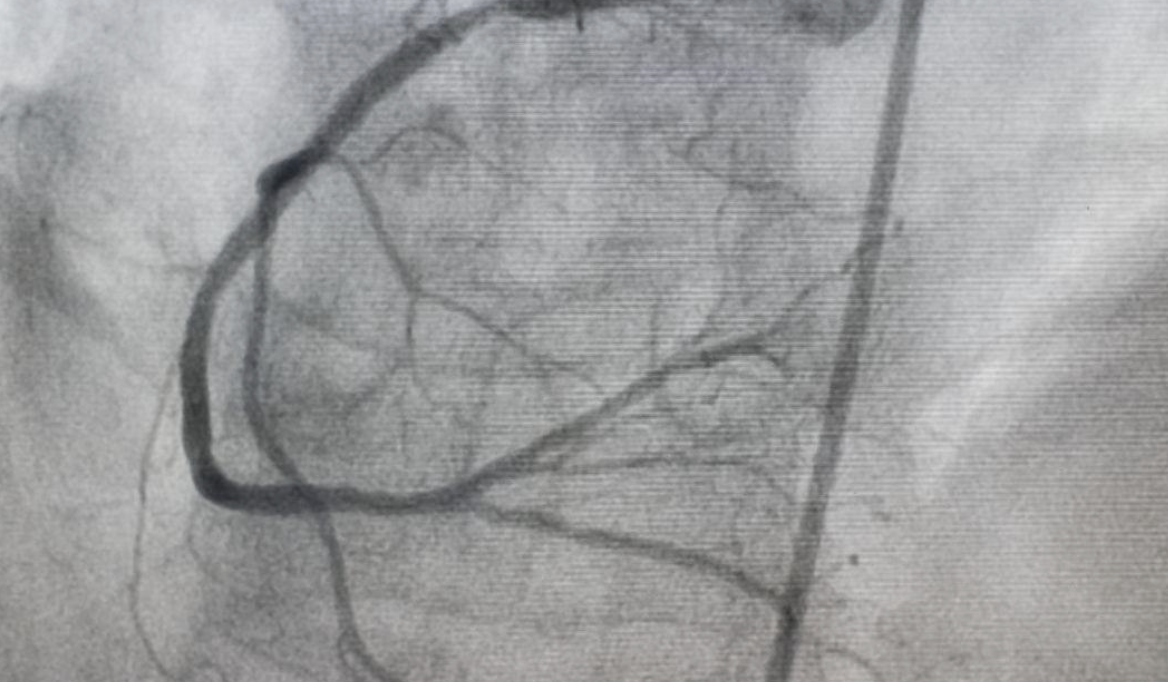
Consider a coronary angiogram, like X-rays, but only for your heart’s arteries. They’re a minimally invasive procedure that uses dye and exceptional imaging to give your doctor a clear picture of how blood flows through your coronary arteries. This helps them spot any blockages or narrowing that could be causing problems.

Why might you need a coronary angiogram?

Well, your doctor might recommend one if you’re experiencing symptoms like:

  • Chest pain (angina): That feeling of pressure or tightness in your chest could be a sign of reduced blood flow to your heart. It’s like your heart is trying to send a message that it’s not getting enough oxygen. This can be a scary symptom, but it’s essential to listen to your body and seek medical attention.
  • Shortness of breath: If you find yourself gasping for air, even when you haven’t exerted yourself, it could indicate a heart issue. This is especially concerning if you’re used to being able to do activities without getting winded. Shortness of breath can be a sign of heart failure or other severe conditions.
  • Abnormal results from other heart tests: An EKG or stress test might reveal something suspicious that needs further investigation. These tests can be helpful in diagnosing heart problems, but they may not provide the level of detail that a coronary angiogram can.

A coronary angiogram can also diagnose other heart conditions, plan for surgery, or check the effectiveness of previous treatments. It’s a valuable tool for getting to the heart of the matter.

What to Expect During a Coronary Angiogram

So, your doctor has recommended a coronary angiogram. Now what? First of all, don’t worry. It’s a standard procedure, and knowing what to expect can help ease any anxiety.

Here’s a step-by-step rundown:

  • Before the procedure: You’ll likely be asked to fast for a few hours beforehand. Your doctor will give you specific instructions. They’ll also review your medical history and any medications you’re taking. It’s essential to be open and honest with your doctor about any concerns or questions you may have.
  • During the procedure, You’ll lie on a table while a cardiologist inserts a thin tube (catheter) into an artery, usually in your groin or arm. Don’t worry. You’ll be given a local anesthetic to numb the area. They’ll guide the catheter to your heart, inject a special dye, and take X-ray images. You might feel a warm sensation when the dye is injected, but it’s usually not painful.
  • After the procedure, The catheter is removed, and pressure is applied to the insertion site to prevent bleeding. You’ll need to lie flat for a few hours to ensure everything heals properly. Most people can go home the same day, but you’ll need someone to drive you.

The whole thing usually takes less than an hour. Piece of cake, right?
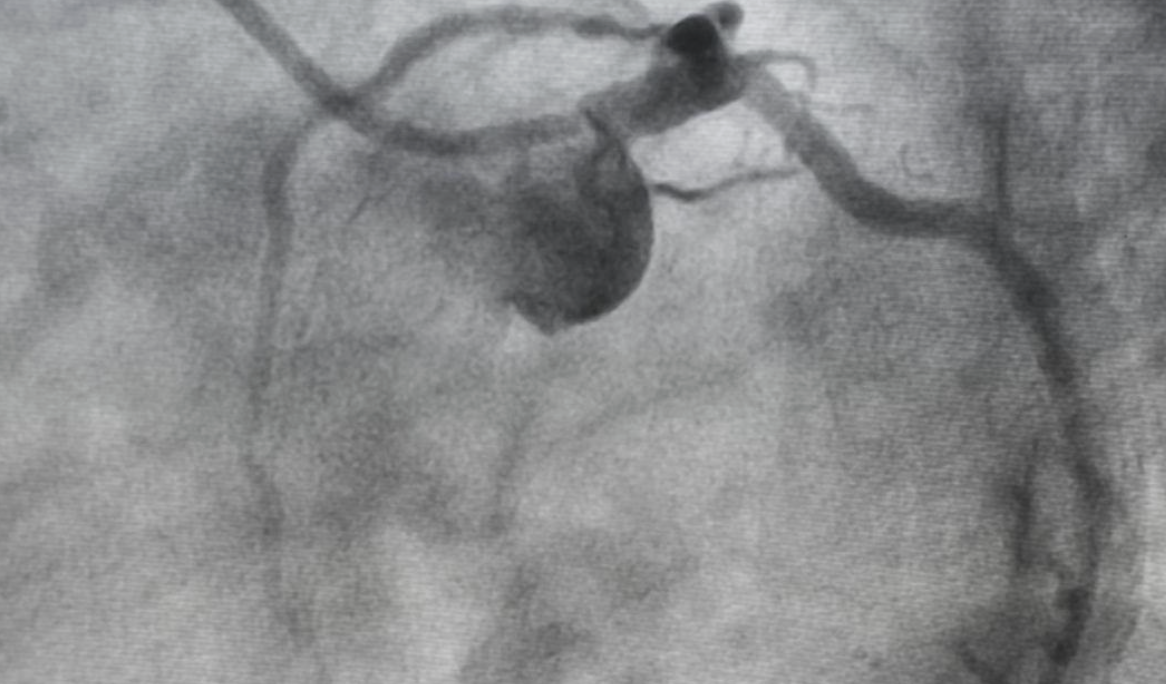
Understanding Your Coronary Angiogram Results

understanding coronary angiogram results in houston texas

This is where your cardiologist steps in to explain what’s what. They’ll go over the images with you and point out any areas of concern.

Here’s what they’ll be looking for during a coronary angiogram:

  • Normal arteries: This is the best-case scenario. It means your blood is flowing freely, and your heart is getting all the oxygen it needs.
  • Narrowed arteries: This means there’s some blockage, but blood can still get through. Your doctor might recommend lifestyle changes, medication, or another procedure to open up the artery. Think of it like clearing a traffic jam in your arteries.
  • Blocked arteries: This is a more severe situation where blood flow is significantly reduced or completely cut off. Your doctor will discuss treatment options, which may include angioplasty (opening the blockage with a balloon) or bypass surgery (creating a new route for blood flow).

It’s important to remember that everyone’s results are unique. Your cardiologist will consider your overall health and medical history when interpreting your results and recommending the best course of action.

Be bold and ask questions. Your cardiologist is there to help you understand what’s going on and what your options are.

Tips for a Smooth Recovery after a Coronary Angiogram

The angiogram is over, and now it’s time to focus on getting back to your fabulous self. Here are some tips to help you recover quickly and comfortably:
  • Take it easy: Don’t plan on running a marathon right away. Your body needs time to heal, so rest up and avoid strenuous activities for a few days.
  • Keep the area clean and dry: Follow your doctor’s instructions for caring for the insertion site. This usually involves keeping it clean and dry for a day or two. You might have a small bandage, but you can usually shower the day after the procedure.
  • Stay hydrated: Drinking plenty of fluids helps your body flush out the contrast dye and promotes healing. Water is always a good choice, but you can also enjoy juices and other hydrating beverages.  
  • Listen to your body: If you feel any pain or discomfort, don’t hesitate to reach out to your doctor. They’re there to support you throughout your recovery.
A healthy lifestyle can go a long way in preventing future heart problems. Eat a balanced diet, get regular exercise, and manage stress.

Final Thoughts

That’s a wrap on coronary angiograms. We’ve covered the what, the why, and the how. Are you feeling empowered to take control of your heart health? You should be.

Here are the key takeaways:

  • A coronary angiogram is a minimally invasive procedure that helps doctors visualize your heart’s arteries.
  • It’s used to diagnose and assess various heart conditions.
  • The procedure is generally safe and well-tolerated.
  • Understanding your results is critical to making informed decisions about your treatment.
  • A healthy lifestyle is your best defense against future heart problems.

Speaking of heart health, if you’re in the Houston area, Modern Heart and Vascular is your go-to for top-notch cardiac care. Our team of experienced cardiologists is dedicated to helping you keep your ticker ticking strong. From diagnosis to treatment and beyond, we’re here to support you on your journey to a healthier heart.

This page does not provide medical advice. It is intended for informational purposes only. It is not a substitute for professional medical advice, diagnosis or treatment. If you need cardiovascular care, please call us at 832-644-8930.

Modern Heart and Vascular Institute

Same-Day Appointments
Every heart has a story… What’s yours?
Cardiovascular Specialist & Board Certified Cardiologist located in Humble, TX, Katy, TX, Cleveland, TX, The Woodlands, TX & Livingston, TX

Request an
Appointment

Every heart has a story…What’s yours?
Choose your appointment at one of our 7 locations