Office Phone Number:  (832) 644-8930

New Patient Appointments:  (346) 662-1220

Bradycardia

bradycardia condition - modern heart and vascular

What is Bradycardia?

In a nutshell, bradycardia is when your heart beats slower than normal—less than 60 beats per minute for adults.

Now, before you panic, a slow heart rate isn’t always a bad thing. Super-fit athletes often have lower heart rates because their hearts are so efficient. But for most of us, bradycardia could signal an underlying issue.

Think of your heart like a pump. If it’s not pumping fast enough, your body might not get the oxygen-rich blood it needs. That’s when those pesky symptoms like fatigue, dizziness, and shortness of breath start to creep in.

Symptoms of Bradycardia

Bradycardia can be sneaky. Sometimes, it doesn’t cause any noticeable symptoms at all. But when it does, pay attention – your body might be trying to tell you something’s up.
 
Common symptoms include:
  • Fatigue: Feeling tired all the time, even after a good night’s sleep? That could be your heart struggling to keep up.
  • Dizziness or Lightheadedness: Ever felt like the room is spinning, even when you’re sitting still? That’s a classic sign of your brain not getting enough oxygen.
  • Shortness of Breath: If you find yourself gasping for air after climbing a few stairs or walking a short distance, your heart might not be pumping enough blood to your lungs.
  • Fainting or Near-Fainting: This is a serious red flag. If you’ve ever fainted or felt like you were about to pass out, it’s time to see a doctor ASAP.
  • Chest Pain: While not always present, chest pain can sometimes accompany bradycardia, especially if a heart condition causes it.
 
Not everyone experiences the same symptoms, and some people might not have any at all. If you’re concerned about your heart health, don’t hesitate to reach out to the experts at Modern Heart and Vascular. We’re here to help you understand what’s going on and develop a personalized treatment plan.

What Causes Bradycardia?

Like a car engine, your heart can sputter for various reasons. Some common culprits behind bradycardia include:

  • Age-Related Wear and Tear: Just like your favorite pair of jeans, your heart’s electrical system can get a little frayed with time. This can lead to slower signals and a slower heartbeat.
  • Heart Disease: If you’ve had a heart attack or other heart conditions, the damage can disrupt your heart’s rhythm.  
  • Medications: Certain medications, like beta-blockers for high blood pressure, can sometimes slow your heart rate as a side effect.  
  • Electrolyte Imbalances: Think of electrolytes as your body’s spark plugs. When levels of potassium, calcium, or magnesium are off, it can throw your heart’s rhythm out of whack.  
  • Sleep Apnea: If you snore like a chainsaw or wake up gasping for air, you might have sleep apnea. This condition can cause pauses in breathing, which in turn can slow your heart down.  
  • Hypothyroidism: An underactive thyroid (the little butterfly-shaped gland in your neck) can also lead to a slower heart rate.  

This isn’t an exhaustive list, and sometimes, the cause of bradycardia remains a mystery.
Treatment to Get Your Heart Back on Track

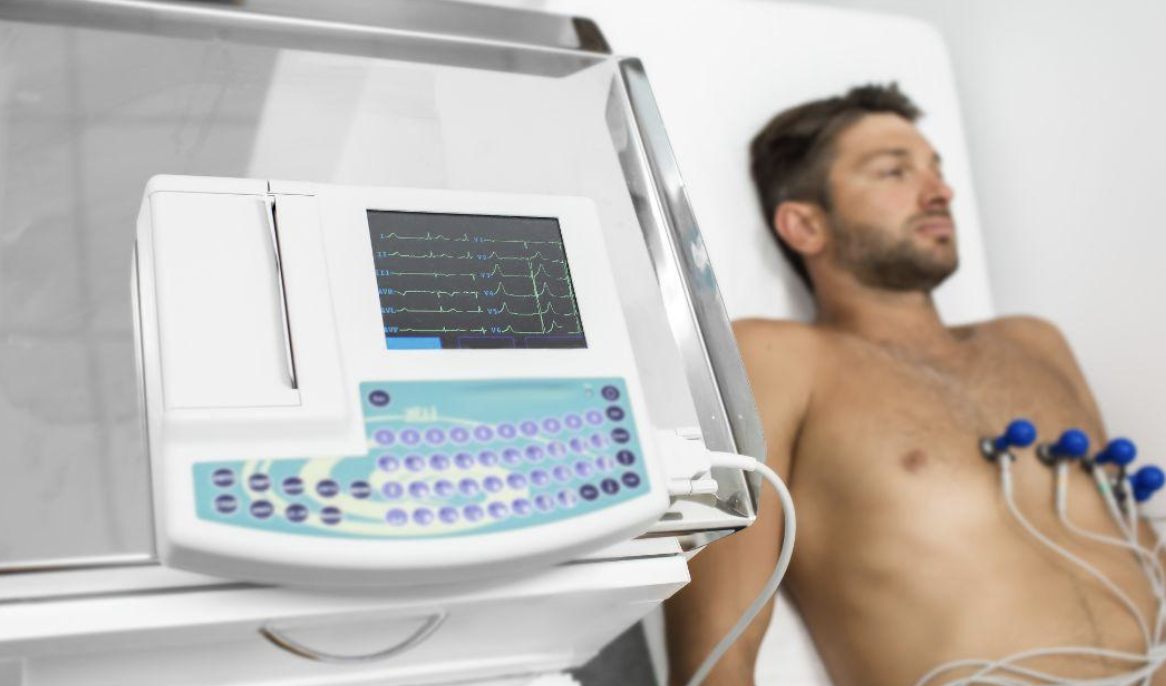
get back on track, bradycardia condition at modern heart and vascular

When it comes to treating bradycardia, the goal is to get your heart pumping at a healthy pace again. The best approach will depend on the cause of your slow heart rate and the severity of your symptoms.

Here are a few standard treatment options:

  • Lifestyle Changes: Sometimes, simple tweaks to your daily routine can make a big difference. This might include cutting back on caffeine and alcohol, quitting smoking, managing stress, and getting regular exercise.
  • Medications: If medications are causing your bradycardia, your doctor might adjust your dosage or switch you to a different drug.
  • Pacemaker: For more severe cases, a pacemaker might be recommended. This small device is implanted under your skin and sends electrical signals to your heart, helping it beat at a standard rate.
  • Treating Underlying Conditions: If another health issue is causing your bradycardia, addressing that problem can often improve your heart rate. For example, treating sleep apnea or adjusting thyroid medication can make a big difference.

Modern Heart and Vascular offers a range of diagnostic and treatment options for bradycardia. Our experienced team will work with you to develop a personalized plan that meets your unique needs and helps you achieve optimal heart health.

FAQs About Bradycardia

What does bradycardia mean?

Bradycardia simply means your heart is beating slower than usual. For most adults, an average resting heart rate falls between 60 and 100 beats per minute. Anything below 60 is considered bradycardia.  

What is bradycardia and tachycardia?

Think of them as two sides of the same coin. Bradycardia is a slow heart rate, while tachycardia is a fast heart rate. Both can be signs of underlying health issues, so it’s essential to get checked out if you notice any unusual changes in your heartbeat.  

What is the definition of tachycardia?

Tachycardia is defined as a resting heart rate faster than 100 beats per minute. Like bradycardia, it can have various causes and may require medical attention.  

How can the heart rate in bradycardia be increased?

If you’ve been diagnosed with bradycardia, don’t try to DIY your treatment. Consult with your doctor at Modern Heart and Vascular. They’ll recommend the best course of action, which could include lifestyle changes, medication adjustments, or even a pacemaker.  

Don't Wait for Your Heart to Skip a Beat: Get Checked Today

Bradycardia might be a silent threat, but it doesn’t have to stay that way. At Modern Heart and Vascular, we have the expertise and technology to diagnose and manage bradycardia effectively.

Don’t let a slow heartbeat slow you down. If you’re experiencing any symptoms or have concerns about your heart health, schedule a consultation today. We have convenient locations serving Humble, Cleveland, The Woodlands, Katy, Tomball, and Livingston. 

This page does not provide medical advice. It is intended for informational purposes only. It is not a substitute for professional medical advice, diagnosis or treatment. If you need cardiovascular care, please call us at 832-644-8930.

Modern Heart and Vascular Institute

Same-Day Appointments
Every heart has a story… What’s yours?
Cardiovascular Specialist & Board Certified Cardiologist located in Humble, TX, Katy, TX, Cleveland, TX, The Woodlands, TX & Livingston, TX

Request an
Appointment

Every heart has a story…What’s yours?
Choose your appointment at one of our 7 locations