
Office Phone Number: (832) 644-8930
New Patient Appointments: (346) 662-1220
One day you may experience heart discomfort, or your primary healthcare provider may notice something is wrong during a routine blood test. So now you are headed to your first consultation with a cardiologist.
Coming to your appointment prepared with questions and lists of important information can mean a more productive experience for you and your cardiologist. It may even mean a better health outcome.
Visiting a cardiologist may be stressful, especially when a person is concerned about their health and unsure of their future. You may feel like things are out of your control, but there are some proactive actions you can take to get ready for and ensure the success of your consultation.
And so, after years of avoiding doctors, serious medical problems, and perhaps some medical care, you find yourself in a situation where you cannot do without one. Maybe your heart has weakened, and you have shortness of breath; this situation is something to take seriously.
Likewise, you may have gained weight quickly and are concerned about the wear and tear on your body. Hopefully, you are not managing a condition such as heart failure. Whatever the cause or reason, there is no getting around the fact that regular follow-ups with a cardiologist are now a part of your life. So, what happens next? What should you do?
The idea of visiting a cardiologist may seem overwhelming at first. After all, no one wants to discover that their heart is giving them trouble. But, if you take a little time to understand how a cardiologist can help and how to get ready for your consultation, you may handle the nervousness about the “heart doctor,” your cardiologist, much better.
A cardiologist is a physician who deals with heart diseases and conditions. After completing their medical residency, they have at least three years of cardiology training and some study for an additional year or two to subspecialize.
Considering how common heart ailments have become lately, we should be prepared to handle the sudden onset of symptoms.
It is also crucial for all of us to understand that developing cardiovascular disease is not necessarily an individual’s fault. Sometimes, despite all your efforts to stay fit, healthy, and balanced, you will still develop cardiovascular disease.
While various factors are involved in developing these diseases, an individual’s genetics and family history also play an essential role.
You should see a cardiologist because you must not treat cardiovascular disease with home remedies or self-medication due to its critical and nuanced nature. Unfortunately, commercially available drugs and a quick google search for treatment will not help in this case.
With heart problems, the course of treatment and care differs depending on the nature of the heart problems. First, it will require a qualified cardiologist to detect and resolve the root cause. What you can do, in terms of self-help, is to ask your family and friends for referrals so that you can find the right doctor for your needs.
Our team of highly qualified cardiac specialists at Modern Heart and Vascular Institute may help you with a thorough and adequate screening, heart-related testing, and an individualized treatment plan.


Like in many physicians’ appointments, your consultation in the cardiologist’s office will likely be brief. However, since there is a lot you will want to cover, it is helpful to know what you want to ask ahead of time.
We recommend writing a list of questions to ask at your consultation and also suggest documenting all medications, herbal supplements, and vitamins you take, including dosages.
The goal of the initial meeting is to begin a thorough evaluation of your heart. You may be worried and alarmed before your first consultation. Refrain from showing up empty-handed to get the most out of the session. Bring a notepad with a list of questions you would like to ask.
If coronary artery disease runs in your family, there is a good chance that your genes make you more vulnerable. This situation is particularly significant if you have a parent, brother, or sister who developed heart disease. That link becomes reinforced if they develop the disease before age fifty.
This antecedent is one of the reasons your physician collects a detailed family medical history, as it may suggest the need for earlier interventions, tests, and steps to reduce your risk.
High blood pressure may be heart disease’s most decisive risk factor. And while doctors may control it with medication, the goal is lifestyle modification. High blood pressure contributes to numerous health problems, which include the following:

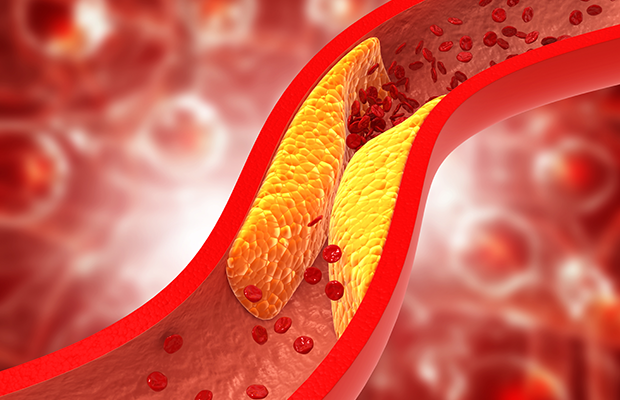
High cholesterol levels raise your risk of heart disease by creating a buildup of fatty deposits in your blood vessels, which forces your heart to work harder than it should. Although your doctor will look at your cholesterol levels, other factors may come into play when deciding treatment options.
Patients with diabetes, for example, have an increased risk of heart disease. Therefore, your doctor may employ a more aggressive strategy even if cholesterol levels are only moderately high.
Men generally have a slightly higher risk of heart disease than women. Being over fifty also increases the risk. Of course, you can do nothing about any of these risk factors. On the other hand, you may do something about your weight – individuals with a BMI (Body Mass Index) of twenty-five or more increase the risk.
A key sign is chest pain that gets worse with exertion and does not improve with rest. If you suspect you may be suffering a heart attack, call 911 and do not attempt to drive yourself to the hospital. Other symptoms:
Modifying your eating habits is one of the most important things you can do to minimize your risk of heart disease. The American Heart Association suggests an emphasis on fruits, vegetables, whole grains, and healthy proteins. In addition, you should reduce sugar, red meat, alcohol, and processed food.
Exercise is another lifestyle modification that significantly impacts your heart health. The key is to find an aerobic activity that gets your heart pumping. You should do this activity three to four times weekly, for about forty minutes per session. Physical activity should be moderate to vigorous if you have no record of heart disease.
However, even with a history of heart disease, physical activity should be a component of your health program. Nevertheless, you should always consult your cardiologist about how to handle it.

People pay much attention to measurable risk factors such as blood pressure and cholesterol. But anxiety, stress, and social factors may also aggravate your symptoms and accelerate heart disease. Among other things, stress or anxiety frequently encourages coping mechanisms like drinking alcohol, smoking, and overeating, which are direct risk factors.
Refrain from expecting your cardiologist to write a couple of prescriptions and call it a day. The best way to manage your heart disease risks is a multi-faceted approach with a heavy reliance on lifestyle changes. Your treatment plan will likely include recommendations to eat better and increase physical activity.
If your symptoms continue, seek help right away. And if the treatment plan developed for you does not relieve you, let your cardiologist know. That is the key to helping your physician dig deeper into your health situation.
If you or your family members are looking for a highly qualified cardiologist, call us today! We are Modern Heart and Vascular Institute, a diagnostic and preventative medicine cardiology practice.
We use modern technology at Modern Heart and Vascular Institute to diagnose and treat our patients. We are committed to placing our patients first and presenting all the answers to your heart health and conditions queries. We are accepting most major insurance companies, including Medicare. Some appointments are available.
Keeping track of a medication schedule can indeed be challenging. Fortunately, there are several methods we can explore to simplify the process and make it easier for you. First, consider utilizing a pill organizer. These are available in various sizes and have compartments for each day of the week, making it simple to organize and keep track of your daily medication regimen. Additionally, setting up reminders on your smartphone or using reminder apps specifically designed for medication can help ensure you take your medications at the prescribed times.
Another option to simplify the schedule is to speak with your healthcare provider about potential adjustments. They may be able to offer alternative medications with fewer doses or even suggest combining certain medications to reduce the overall number of doses per day. Finally, it can be helpful to create a medication schedule chart or checklist to visually outline the timing and dosage for each medication. This way, you can easily refer to it and mark off each dose as you take it. Experimenting with these various approaches should help simplify your medication schedule and make it more manageable for you.
Patients have discovered various effective strategies for motivating themselves to make lifestyle changes, such as improving their dietary habits, exercising regularly, quitting smoking, and adopting healthier habits. While individual strategies may differ, gaining insight into what has worked for others can be insightful. One approach that has proved successful for many patients is setting small and attainable goals while diligently monitoring their progress. Others have found motivation and support by joining support groups or working closely with health coaches.
Incorporating enjoyable physical activities into their routine has proven effective in encouraging regular exercise among certain patients. Quitting smoking can be a challenging endeavor, but numerous patients have achieved success through diverse methods such as nicotine replacement therapy, counseling, or participation in support programs. Ultimately, each individual must explore strategies and discover what works best for them to enact lasting lifestyle changes.

CARDIOVASCULAR CENTERS IN HOUSTON, TEXAS
Modern Heart and Vascular, a preventive cardiology medical practice, has several offices around Houston. We have locations in Humble, Cleveland, The Woodlands, Katy, and Livingston.
We are Modern Heart and Vascular Institute, a diagnostic and preventative medicine cardiology practice.
Every heart has a story… What’s yours?
Book an Appointment Today
At Modern Heart and Vascular Institute, we offer state-of-the-art cardiovascular care with innovative diagnostic tools and compassionate patient care. Our priority at Modern Heart and Vascular Institute is prevention. We help patients lead healthier lives by avoiding unnecessary procedures and surgeries.
Contact us online to learn more and book an appointment. If you’d like to learn more about our practice, read our providers’ bios.
This article does not provide medical advice. It is intended for informational purposes only. It is not a substitute for professional medical advice, diagnosis, or treatment. If you need cardiovascular care, please call us at 832-644-8930.
Every heart has a story…What’s yours?
Choose your appointment at one of our 7 locations