
Office Phone Number: (832) 644-8930
New Patient Appointments: (346) 662-1220

Cholesterol is a natural substance the body creates that is found in many types of food. While cholesterol is important for many bodily functions, elevated cholesterol levels can be harmful and increase the risk of many medical conditions. Learn the difference between LDL vs. HDL cholesterol and how to lower unhealthy cholesterol below.
Cholesterol is a waxy substance found in the blood, created by the liver and the foods you eat. Two lipoproteins carry your cholesterol, including low-density lipoprotein (LDL) and high-density lipoprotein (HDL). LDL is commonly referred to as bad cholesterol. LDL comprises the larger portion of your overall cholesterol count.
LDL is referred to as bad or unhealthy cholesterol because it contributes to atherosclerosis, which are fatty buildups in arteries. Atherosclerosis can increase the risk of heart attack, peripheral artery disease (PAD) and stroke because it narrows the arteries.
Approximately 54.5% of adults in the United States who could benefit from cholesterol medication are taking this medicine. Around 94 million adults in the United States 20 or older have elevated total cholesterol levels exceeding 200mg/dL.
Cholesterol won’t dissolve in your blood. Instead, proteins known as lipoproteins carry the cholesterol where it needs to go within the body. Elevated LDL cholesterol levels can increase the risk of many medical conditions, including heart disease and coronary artery disease.
Healthy cholesterol levels help the body manufacture hormones, support cell membranes, convert vitamin D in the skin and aid in digestion. Elevated LDL cholesterol levels cause cholesterol buildup in the arteries, commonly known as plaque. Over time, plaque builds up, narrowing the vessels further. Narrow vessels mean reduced blood flow to your body’s organs and heart.
Reduced blood flow can cause chest pain (angina) and increase the risk of heart attacks. Research shows higher levels of LDL are directly associated with an elevated risk for heart disease. Each year, approximately 805,000 people in the United States experience a heart attack, with 605,000 occurrences being the first heart attack.
LDL levels often rise if you eat a diet high in salt, saturated fats and cholesterol, usually found in dairy, processed foods and fatty meats. Lack of exercise, weight, tobacco and alcohol use, genetics, medications and existing health conditions may also raise the risk of high LDL levels.

HDL cholesterol is the other type of cholesterol, commonly known as good cholesterol, because it may reduce the risk of stroke or heart attack. HDL helps carry the bad cholesterol away from the arteries to the liver.
In the liver, LDL is broken down and removed from the body. It is important to note that HDL doesn’t entirely remove LDL cholesterol. Approximately 26.6% of men and 8.5% of women have low HDL levels. Low HDL levels mean your body may not be able to transfer and remove LDL as effectively.
Cholesterol levels vary by sex, weight, age and other factors. In general, the body will produce more cholesterol over time. Physicians often recommend that adults 20 years of age and older routinely have their cholesterol levels checked. Generally, medical providers classify a person’s cholesterol levels as healthy, borderline, low or high.
Cholesterol levels are also divided into total cholesterol, LDL cholesterol and HDL cholesterol. A blood test may also measure triglyceride and non-HDL cholesterol levels. Ideally, recommended cholesterol levels are:

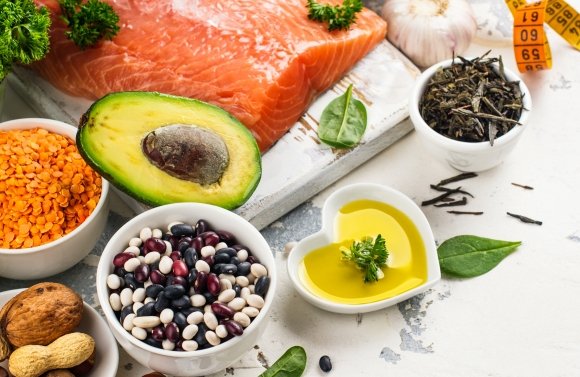
The difference between LDL and HDL cholesterol is that LDL cholesterol is unhealthy and can greatly increase the risk of many medical conditions. Fortunately, you can make several lifestyle changes to lower your LDL levels and lead a healthy lifestyle. Some of the most effective ways to reduce LDL include:

CARDIOVASCULAR CENTERS IN HOUSTON, TEXAS
Modern Heart and Vascular, a preventive cardiology medical practice, has several offices around Houston. We have locations in Humble, Cleveland, The Woodlands, Katy, and Livingston.
We are Modern Heart and Vascular Institute, a diagnostic and preventative medicine cardiology practice.
Every heart has a story… What’s yours?
Book an Appointment Today
At the Modern Heart and Vascular Institute, we offer state-of-the-art cardiovascular care with innovative diagnostic tools and compassionate patient care. Our priority at Modern Heart and Vascular Institute is prevention. We help patients lead healthier lives by avoiding unnecessary procedures and surgeries.
Contact us online to learn more and book an appointment. If you’d like to learn more about our practice, read our providers’ bios.
This article does not provide medical advice. It is intended for informational purposes only. It is not a substitute for professional medical advice, diagnosis, or treatment. If you need cardiovascular care, please call us at 832-644-8930.
Every heart has a story…What’s yours?
Choose your appointment at one of our 7 locations