
Office Phone Number: (832) 644-8930
New Patient Appointments: (346) 662-1220
Accidents happen when we least expect them, and knowing how to handle a wound immediately can make all the difference. From minor cuts to more serious injuries, quick and proper care can help prevent complications and speed up healing. It’s essential to know the first steps to take when you or someone else gets hurt.
Quick access to medical care can sometimes be confusing in a city as bustling as Houston. That’s why it’s crucial to understand when and where to seek professional help. Knowing the locations of urgent care centers and having a well-stocked first aid kit at home are part of being prepared for emergencies.
We’ll guide you through the essential steps of emergency wound care. By following these simple, effective measures, you can ensure that wounds are treated promptly and correctly. Whether it’s stopping the bleeding, cleaning the wound, or recognizing signs of infection, these tips will help you manage injuries confidently.
Let’s dive into the basics of what every Houston resident should know about wound care!
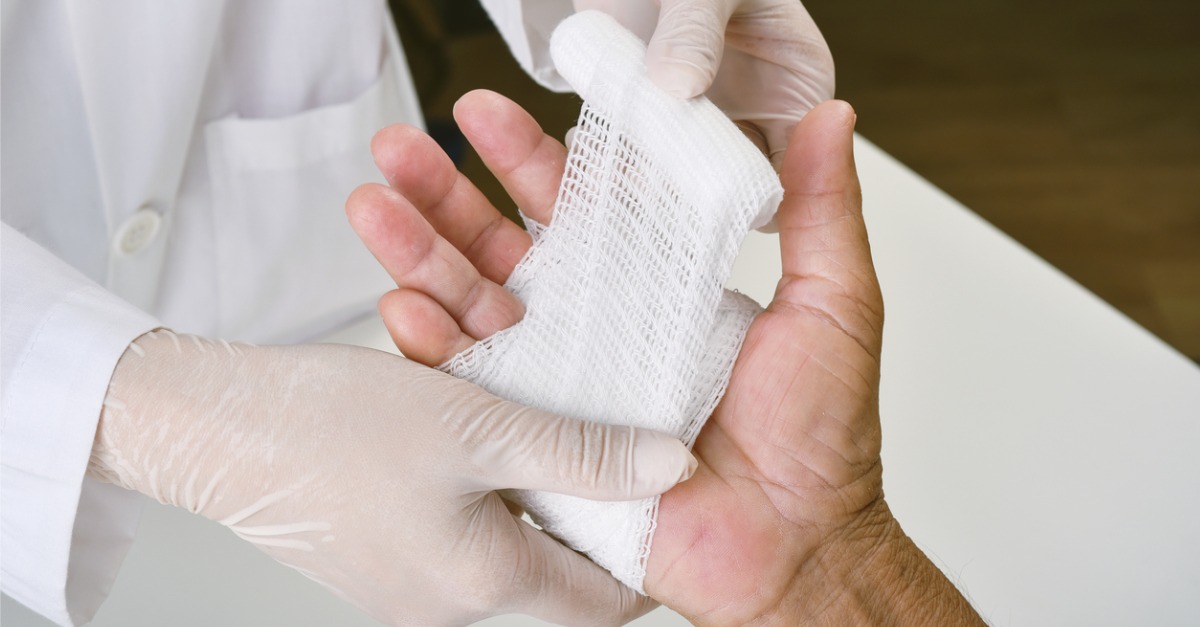
When someone gets hurt, taking quick action can prevent complications and promote faster healing. Here’s what you should do immediately after a wound occurs:
Check the severity of the wound. Is it a minor cut or something more serious? Knowing this will help you decide the next steps.
Before touching the wound, wash your hands with soap and water. This helps prevent infections from bacteria.
Apply gentle pressure to the wound with a clean cloth or bandage. Keep pressing until the bleeding stops.
Rinse the wound under running water to wash away dirt and debris. Use mild soap around the edges if necessary but avoid getting soap inside the wound.
Cover the wound with a clean bandage or sterile dressing. This keeps it clean and helps prevent infection.
By following these steps, you can handle most minor wounds effectively and reduce the risk of complications. If the wound is deep or bleeding heavily, seek medical help right away.
Stopping bleeding quickly is crucial to prevent blood loss and further complications. Here’s how to do it right:
Use a clean cloth, bandage, or even your hand to press directly on the bleeding area. This helps blood clot and stops the flow.
If possible, raise the injured limb above heart level. This reduces blood flow to the area, making it easier to stop the bleeding.
Maintain steady pressure for at least 5-10 minutes. Avoid checking too often to see if the bleeding has stopped, as this can interrupt clot formation.
If the original cloth or bandage soaks through, do not remove it. Instead, add more layers on top and continue pressing.
If the bleeding doesn’t stop after 10 minutes of applying pressure, or if the wound is spurting blood, seek medical help immediately. This could indicate damage to a major blood vessel.
Stopping bleeding effectively can make a big difference in how well a wound heals. Always use clean materials and consistent pressure to ensure the best results.
Properly cleaning a wound is crucial to prevent infection and promote healing. Follow these do’s and don’ts for effective wound cleaning:
Do’s:
Use clean, running water to gently rinse the wound. This helps remove dirt and debris.
Gently clean around the wound with mild soap and water, but avoid getting soap directly in the wound.
Use a clean cloth or sterile gauze to gently pat the wound and surrounding skin dry. This prepares the skin for bandaging.
Don’ts:
These can be too harsh and may damage tissue, delaying healing. Stick to clean water and mild soap.
Always use clean, unused materials to prevent introducing bacteria to the wound.
Scrubbing can cause further damage to the tissue and increase the risk of infection.
By following these guidelines, you can ensure that the wound is clean and ready for further treatment, reducing the risk of complications.
Using antiseptics can help prevent infection in a wound, but it’s important to know when and how to use them properly. Here are some tips:
Before applying antiseptic, always rinse the wound with clean water to remove any obvious dirt and debris. This prepares the surface for antiseptics to work effectively.
Common antiseptics include hydrogen peroxide, iodine, and alcohol-free solutions. Opt for the ones recommended by healthcare professionals for your specific wound type.
Use a clean cotton swab or gauze pad to apply the antiseptic. Be gentle to avoid irritating the wound further. Dab or lightly swipe the area.
After applying antiseptic, cover the wound with a sterile bandage or dressing. This keeps out germs and helps the antiseptic do its job.
Keep an eye on the wound for signs of infection like redness, swelling, or pus. If any of these signs appear, contact a healthcare provider.
Using antiseptics correctly can help prevent infections and promote quicker healing. Always follow instructions on the antiseptic product and consult with a healthcare provider if unsure.
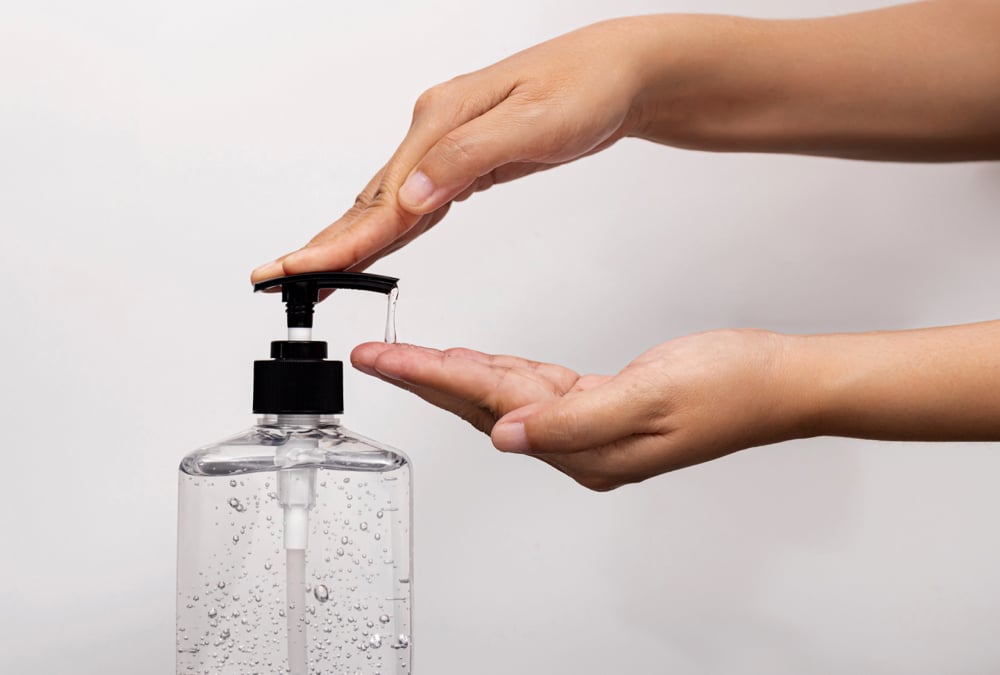
Proper bandaging is essential for wound protection and healing. Follow these steps to dress a wound correctly:
Before applying a bandage, ensure the wound is clean. Rinse with clean water and use antiseptic if necessary.
Choose a bandage that fits the size and type of wound. Adhesive bandages are good for small cuts, while larger wounds may require gauze and medical tape.
Place a sterile, non-stick pad or gauze directly on the wound. This helps absorb any fluids and protects the area from infection.
Wrap an elastic bandage or use medical tape to hold the dressing in place. Ensure it’s snug but not too tight to avoid cutting off circulation.
Replace the bandage daily, or more often if it becomes wet or dirty. Always wash your hands before changing a dressing.
By following these steps, you can help ensure the wound stays clean and protected, promoting faster healing and reducing the risk of infection.
Different wounds require different treatments. Understanding these types helps in administering the right first aid:
Clean with water, apply antiseptic, and cover with a bandage. These usually heal quickly with minimal care.
For deep cuts, apply pressure to stop bleeding, clean the wound, and seek medical attention for possible stitches.
Clean the area thoroughly, apply antiseptic, and cover with a sterile bandage. Seek medical help if the wound is deep or caused by a dirty object.
Rinse thoroughly to remove debris, apply an antiseptic, and cover with a bandage. Keep the area moisturized to prevent scabs.
Cool the burn with cold water, apply a sterile dressing, and seek medical advice for severe burns.
If unbroken, clean and cover with a bandage. If broken, clean the area, apply antiseptic, and cover to prevent infection.
By knowing how to handle these types of wounds, you can provide effective first aid and reduce the risk of complications.
Knowing the signs of infection can help you take action before things get worse. Here are common indicators to watch for:
If the area around the wound becomes increasingly red and swollen, it may be a sign of infection.
An infected wound often feels warm to the touch and may become more painful.
Look for yellow or green discharge coming from the wound. This indicates that the body is fighting an infection.
A fever can be a sign that your body is fighting a severe infection. It’s important to seek medical attention if this occurs.
If the wound isn’t showing signs of healing within a few days, it might be infected.
Red streaks leading away from the wound are a sign of a serious infection and require immediate medical attention.
If you notice any of these signs, seek medical help promptly to prevent more serious issues.
Sometimes, home care isn’t enough, and you need professional medical help. Here’s when you should go:
If you can’t stop the bleeding after 10 minutes of pressure, head to an urgent care or emergency room.
Deep cuts or lacerations may need stitches or other treatments. Seek medical care quickly.
As mentioned earlier, if you notice redness, swelling, pus, or fever, it’s time to see a doctor.
These types of wounds are prone to infection and often need medical attention.
Puncture wounds from nails or other dirty objects should be checked by a healthcare provider.
Seek medical attention for burns that cover a large area, are very painful, or are caused by chemicals or electricity.
Knowing when to seek professional help can make all the difference in preventing complications and ensuring proper healing. In Houston, numerous urgent care centers and hospitals are ready to help in emergencies.
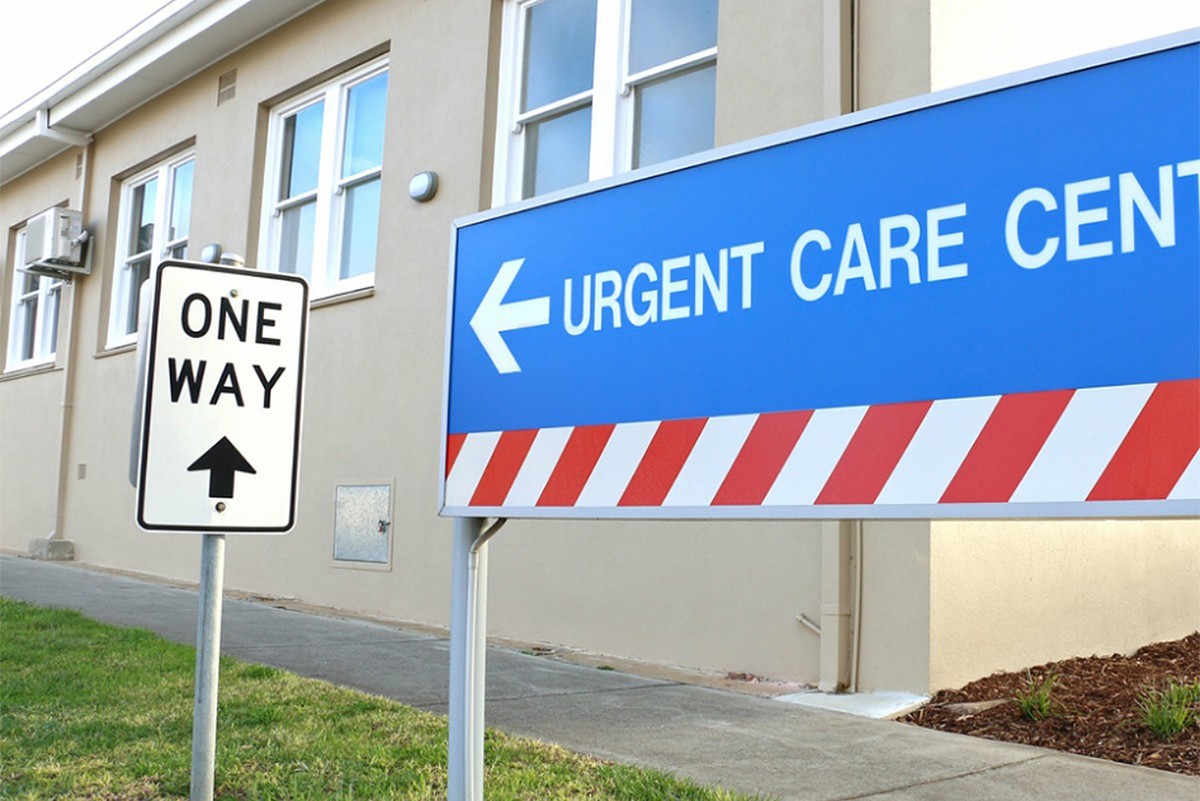
Knowing where to go for urgent wound care can save time and prevent complications. Houston has many urgent care centers that can treat moderate to severe wounds.
1. Memorial Hermann Urgent Care: Offers fast service for non-life-threatening wounds.
2. Next Level Urgent Care: Provides comprehensive care and short wait times.
3. AFC Urgent Care: Open seven days a week, ideal for quick visits.
4. Houston Methodist Urgent Care: Known for its excellent medical staff and care.
A well-stocked first aid kit is crucial for handling wounds at home. Here’s what you need:
Children often get minor wounds from playing or accidents. Here’s how to handle them:
1. Stay Calm: Your child will stay calmer if you are calm.
2. Clean the Wound: Use mild soap and water.
3. Apply Antiseptic: To kill germs.
4. Use a Bandage: Cover the wound to keep it clean.
5. Watch for Infection: Check if the area gets red, swollen, or discharges pus.
If the wound is deep or doesn’t stop bleeding, seek medical help.
Preventing complications starts with good wound care practices:
By taking these steps, you can minimize the risk of infections and promote faster healing.
Handling wounds properly from the start can prevent complications and promote faster healing. Knowing where to find urgent care in Houston, having a well-stocked first aid kit, and understanding how to manage wounds in children are essential steps. Preventing wound complications involves being diligent about cleaning and dressing wounds and seeking medical help when needed.
At Modern Heart and Vascular, we are committed to providing excellent wound care in Houston, Texas. Our team uses the latest methods and technology to ensure your wounds heal correctly and quickly. Schedule your appointment today to receive top-notch care from our experienced medical professionals. Let us help you achieve optimal health and well-being!

CARDIOVASCULAR CENTERS IN HOUSTON, TEXAS
Modern Heart and Vascular, a preventive cardiology medical practice, has several offices around Houston. We have locations in Humble, Cleveland, The Woodlands, Katy, and Livingston.
We are Modern Heart and Vascular Institute, a diagnostic and preventative medicine cardiology practice.
Every heart has a story… What’s yours?
Book an Appointment Today
At the Modern Heart and Vascular Institute, we offer state-of-the-art cardiovascular care with innovative diagnostic tools and compassionate patient care. Our priority at Modern Heart and Vascular Institute is prevention. We help patients lead healthier lives by avoiding unnecessary procedures and surgeries.
Contact us online to learn more and book an appointment. If you’d like to learn more about our practice, read our providers’ bios.
This article does not provide medical advice. It is intended for informational purposes only. It is not a substitute for professional medical advice, diagnosis, or treatment. If you need cardiovascular care, please call us at 832-644-8930.
Every heart has a story…What’s yours?
Choose your appointment at one of our 7 locations