
Office Phone Number: (832) 644-8930
New Patient Appointments: (346) 662-1220
Houston is renowned for its vibrant lifestyle, but its intense heat can be a hidden risk to heart health. High temperatures and humidity can strain the heart, leading to serious health issues, especially for those with pre-existing heart conditions. Understanding the impact of extreme heat on cardiovascular health is crucial for Houston residents, as it can help prevent potential complications and ensure a healthier life.
At Modern Heart and Vascular, we are committed to promoting heart health and preventative care. With several offices across the Houston area, our cardiovascular and preventative medicine practice aims to provide comprehensive care tailored to the unique challenges posed by the local climate. In this article, we will explore the specific risks associated with Houston’s heat, discuss signs and symptoms to watch for, and offer practical solutions to protect your heart during the hottest months.
Learning how to manage heat exposure and adopt heart-healthy habits can significantly reduce your risk of heat-related heart problems. Whether you are a longtime Houston resident or new to the area, knowledge and proactive care are your best defenses against the heat’s impact on heart health. Join us as we explore how to navigate Houston’s heat while maintaining a strong and healthy heart.
Houston’s hot and humid summers can put extra strain on your heart. High temperatures make your heart work harder to keep your body cool. This can lead to dehydration, increased blood pressure, and other heart-related problems. People with existing heart conditions, older adults, and young children are especially at risk. Knowing how the heat affects your heart is the first step in protecting yourself.
When temperatures rise, your body works to cool itself by sweating. This process requires more blood circulation to the skin, which means your heart needs to pump more blood. If you are dehydrated, your blood becomes thicker, making it even harder for your heart. This increased workload can lead to heart problems, especially for those with existing conditions such as heart disease or high blood pressure.
Heat can also cause dehydration, which reduces the amount of blood circulating through your body. Less blood means less oxygen and nutrients to your heart, causing it to work harder. Additionally, high temperatures can increase your heart rate and blood pressure, putting more stress on your cardiovascular system.
Understanding the signs and symptoms of heat-related heart issues can help you take action before things get serious.
– Dizziness or lightheadedness: Heat can cause blood pressure to drop, leading to dizziness.
– Rapid or irregular heartbeat: Your heart working harder can lead to noticeable changes in your heartbeat.
– Fatigue and weakness: Feeling overly tired can be a sign that your heart is struggling.
– Nausea or vomiting: These are common signs of heat exhaustion, which can affect your heart.
– Excessive sweating or lack of sweating: Both can be signs that your body’s cooling system is under stress.
If you notice any of these symptoms, it’s important to cool down quickly and seek medical attention if they persist.
Taking preventive measures can help protect your heart from the dangers posed by Houston’s intense heat. Here are some practical steps you can take:
Drinking plenty of water is one of the best ways to help your heart during hot weather. Aim to drink at least 8 glasses of water a day, or more if you are sweating a lot. Avoid drinks that can dehydrate you, such as alcohol and caffeinated beverages. Remember, by the time you feel thirsty, you might already be dehydrated.
Try to stay indoors during the hottest parts of the day, usually from 10 a.m. to 4 p.m. If you need to be outside, take frequent breaks in the shade or in an air-conditioned space. Plan your activities for early morning or late evening when it’s cooler.

Wearing light, loose-fitting clothing can help your body stay cool. Choose materials like cotton that allow your skin to breathe. A wide-brimmed hat and sunglasses can also protect you from the sun’s rays and help keep you cooler.
Heavy meals can make your body work harder, generating more heat. Try eating smaller, lighter meals throughout the day. Foods with high water content, like fruits and vegetables, can help keep you hydrated.
Make sure your home stays cool by using fans and air conditioners. Close curtains or blinds during the day to block out heat. If you don’t have air conditioning, spend time in public places like shopping malls or libraries that are kept cool.
Regular exercise is important for heart health, but it’s wise to be mindful during hot weather. Choose cooler times of the day for exercise, such as early morning or late evening. Consider indoor activities like swimming or using an air-conditioned gym. Always listen to your body and rest if you feel too hot or tired.
Some medications can affect how your body handles heat. If you take medications for heart conditions, talk to your doctor about how they might impact you during hot weather. Some drugs can make you more sensitive to heat, so it’s important to be aware.
Regular check-ups with your healthcare provider are crucial, especially if you have heart conditions. Your doctor can help monitor your heart health and provide personalized advice for managing during hot weather. Preventive heart care is key to catching problems early and keeping your heart in good shape.
Recognizing the importance of preventive heart care during Houston’s hot summers can go a long way in protecting your heart’s health. Taking simple steps to stay cool, hydrated, and mindful of your activities can help reduce the strain on your heart. By being aware of the risks and making informed choices, you can enjoy Houston’s vibrant life while keeping your heart safe and healthy.
Keeping track of your heart health is vital, especially during the hot Houston summer. Simple monitoring practices can help you understand how well your heart is handling the heat and give you early warnings if something is wrong. Here’s how to stay on top of your heart health:
Wearable heart rate monitors can help you keep an eye on your heart rate throughout the day. They can alert you if your heart rate is too high or too low. Knowing your normal heart rate range can help you notice any changes early.
Document how you feel each day, paying attention to any symptoms like dizziness, fast heartbeat, or fatigue. Recording your daily water intake and exercise can also give you insights into how different factors affect your heart health.
High blood pressure can be more of an issue in the heat. Regularly checking your blood pressure can help you notice any spikes that could be concerning. Home blood pressure monitors are affordable and easy to use.
Keep an eye on the weather forecast. Knowing when the temperature is expected to rise can help you plan your activities and avoid the heat. Apps and weather websites can provide real-time updates and alerts.
Certain groups are at a higher risk of heat-related heart problems. Recognizing if you fall into any of these categories can help you take extra precautions.
As people age, their bodies may not be as efficient at regulating temperature. Older adults should be especially careful during hot weather, staying hydrated and avoiding strenuous activities.
If you have a pre-existing heart condition such as high blood pressure or heart disease, you are more susceptible to the effects of heat. Follow your doctor’s advice closely and take all prescribed medications as directed.
Young children are less efficient at regulating their body temperature and can become dehydrated quickly. Ensure kids drink plenty of water and have regular breaks from outdoor play.
Being overweight can make it harder for your body to cool down and can put extra strain on your heart. Staying active, eating healthy, and managing your weight can help reduce this risk.
Knowing what to do in an emergency can be lifesaving. If you or someone else shows signs of heat-related heart problems, acting quickly is crucial. Here are the steps to take:
If possible, find an air-conditioned space or a shady spot outside. Cooling down quickly can help reduce the strain on the heart.
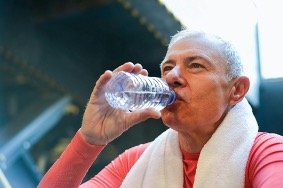
Sip water slowly to rehydrate. Avoid drinks with caffeine or alcohol, as they can worsen dehydration.
Lying down can help reduce heart strain. Elevate your feet slightly to improve blood circulation.
Use cool, damp cloths on the forehead, neck, and wrists to help lower body temperature. A cool bath or shower can also help.
If symptoms persist or worsen, seek medical care immediately. It’s better to be safe and get checked out by a professional.
Adopting long-term strategies can provide ongoing protection for your heart during the hot months. Lifestyle changes and preventive measures can make a big difference.
Exercise is essential for heart health, but it’s crucial to be mindful during extreme heat. Choose indoor activities like treadmill walking or swimming. If you prefer outdoor exercise, opt for early morning or late evening when it’s cooler.
A balanced diet supports heart health. Incorporate fruits, vegetables, whole grains, and lean proteins into your meals. Reduce salt and unhealthy fats, which can contribute to high blood pressure and heart disease.
Stress can affect your heart. Practice stress-reducing activities like yoga, meditation, or deep breathing exercises. Staying connected with friends and family can also provide emotional support.
Understanding how heat affects your heart can empower you to take control of your health. Keep up with the latest information on heart health, heat safety tips, and preventive measures.
Having a strong support network can be beneficial. Share your health goals with family and friends so they can offer encouragement and help you stay on track. Joining local health or fitness groups can also provide motivation and companionship.
Recognizing the connection between Houston’s heat and heart health is essential for preventing potential risks. By monitoring your heart health, recognizing high-risk groups, knowing emergency measures, and adopting long-term solutions, you can protect yourself from the adverse effects of extreme heat. Always stay informed and take proactive steps to ensure your heart stays healthy and strong during those hot summer months.
Staying hydrated is crucial for maintaining heart health, especially during the summer months in Houston. When the body becomes dehydrated, the heart has to work harder to pump blood. This additional strain can lead to cardiovascular issues. Here’s why hydration is key:
When your body loses more water than it takes in, dehydration occurs. Dehydration makes your blood thicken, which increases blood pressure and makes your heart work harder to circulate blood. This can lead to symptoms like dizziness, rapid heartbeat, and even heat exhaustion.
To stay hydrated, drink water regularly throughout the day. Aim for at least 8 glasses of water a day, more if you are active or sweating a lot. Keep a water bottle with you as a reminder to drink. Foods with high water content, such as cucumbers, oranges, and watermelon, can also contribute to your hydration.
Knowing the signs of dehydration can help you take action before it becomes a problem. Common signs include dry mouth, dark urine, headache, and muscle cramps. If you notice any of these symptoms, increase your water intake and move to a cooler environment.
Making adjustments to your daily routine can help protect your heart during Houston’s hot summers. These changes don’t have to be drastic; small steps can make a big difference.
Exercise is essential for a healthy heart, but it’s important to be smart about when and how you exercise in the heat. Choose times when it’s cooler, like early morning or late evening. Activities such as swimming, yoga, and indoor cycling are good alternatives to outdoor workouts.
What you wear can impact your ability to stay cool. Opt for light-colored, loose-fitting clothes made from breathable fabrics like cotton. A wide-brimmed hat and sunglasses can provide extra protection from the sun.
Heavy meals can increase your body’s heat production, making you feel hotter. Eating smaller, more frequent meals can help keep you cool. Include more fruits and vegetables in your diet, as they are easier to digest and help keep you hydrated.
A cool living environment can significantly reduce the strain on your heart. Here’s how you can keep your home comfortable during the summer:
Air conditioning can help keep your indoor environment cool. Make sure your air conditioner is in good working condition and use fans to help circulate cool air. Close windows and blinds during the day to keep the heat out.
Using energy-efficient appliances and lights can reduce the amount of heat generated in your home. Try to minimize the use of ovens and stoves, opting for microwave cooking or no-cook meals instead.
A cool room can improve your sleep quality. Use light sheets made from natural fabrics, and consider using a fan or air conditioner at night. An evening shower can help lower your body temperature before you sleep.
Community resources can provide additional support during extreme heat. Knowing where to go for relief can be a lifesaver, especially for vulnerable populations.
Many cities set up cooling centers during heatwaves. These centers offer a cool place to rest and hydrate. Libraries, community centers, and malls often serve as cooling centers. Check local announcements for information on where to find them.
Some communities offer services to help with heat-related issues. This can include free water distribution, transportation to cooling centers, and wellness checks for the elderly and those with medical conditions.
Neighbors, friends, and family can be an important support network during extreme heat. Check on loved ones who are more vulnerable to the heat, and encourage others to do the same.
Investing in preventive heart care can provide long-term benefits. Healthy habits and regular check-ups can keep your heart strong and resilient.
Routine visits to your healthcare provider can catch potential issues early. Regular check-ups allow your doctor to monitor your heart health and provide personalized advice based on your needs and risks.
A balanced diet, regular exercise, and stress management are pillars of good heart health. Focus on maintaining these healthy habits year-round, not just during the summer.
Staying informed about the latest heart health guidelines and best practices can help you make better decisions. Follow trusted sources for updates on protecting your heart in different weather conditions.
Understanding the connection between Houston’s heat and heart health is critical for preventing potential risks. With the right knowledge and habits, you can keep your heart healthy and strong, even in extreme heat. Implement the strategies and tips outlined above to safeguard your heart and enjoy a healthier, more comfortable summer.
Houston’s intense summer heat can pose significant risks to your cardiovascular health, but with the right knowledge and habits, you can protect your heart effectively. Staying hydrated, choosing smart exercise times, wearing appropriate clothing, and creating a cool living environment are simple yet powerful steps. Recognizing signs of dehydration and other heat-related heart issues can help you take action swiftly and effectively.
Preventive heart care, including regular medical check-ups and a healthy lifestyle, is crucial for long-term heart health. By staying informed and proactive, you can minimize the risks associated with extreme heat and enjoy a healthier, more active life.
At Modern Heart and Vascular, we are dedicated to helping you maintain optimal heart health through comprehensive cardiovascular and preventive care. Our team of experts is here to provide personalized advice and advanced treatments tailored to your unique needs.
Don’t let Houston’s heat take a toll on your heart. Schedule an appointment today and take the first step towards a healthier heart and a safer summer. Visit our website to learn more and book your consultation. Your heart’s health is our priority.

CARDIOVASCULAR CENTERS IN HOUSTON, TEXAS
Modern Heart and Vascular, a preventive cardiology medical practice, has several offices around Houston. We have locations in Humble, Cleveland, The Woodlands, Katy, and Livingston.
We are Modern Heart and Vascular Institute, a diagnostic and preventative medicine cardiology practice.
Every heart has a story… What’s yours?
Book an Appointment Today
At the Modern Heart and Vascular Institute, we offer state-of-the-art cardiovascular care with innovative diagnostic tools and compassionate patient care. Our priority at Modern Heart and Vascular Institute is prevention. We help patients lead healthier lives by avoiding unnecessary procedures and surgeries.
Contact us online to learn more and book an appointment. If you’d like to learn more about our practice, read our providers’ bios.
This article does not provide medical advice. It is intended for informational purposes only. It is not a substitute for professional medical advice, diagnosis, or treatment. If you need cardiovascular care, please call us at 832-644-8930.
Every heart has a story…What’s yours?
Choose your appointment at one of our 7 locations