
Office Phone Number: (832) 644-8930
New Patient Appointments: (346) 662-1220

Chronic venous insufficiency (CVI) is a condition where veins in the legs fail to circulate blood properly back to the heart. This can cause blood to pool in your legs, leading to pain, swelling, and other complications. Understanding CVI is important for managing symptoms and preventing further issues.
Living with CVI can be challenging, but there are many ways to manage it effectively. Recognizing symptoms early can help you take action sooner. From making simple lifestyle changes to considering medical treatments, there are various strategies to improve blood flow and reduce discomfort.
In The Woodlands, you have access to skilled cardiologists who can diagnose and treat CVI. They use advanced techniques to help manage this condition and improve your quality of life. This article covers everything you need to know about CVI, including symptoms, risk factors, and treatments available.
Let’s dive in and explore how to manage chronic venous insufficiency in The Woodlands better.
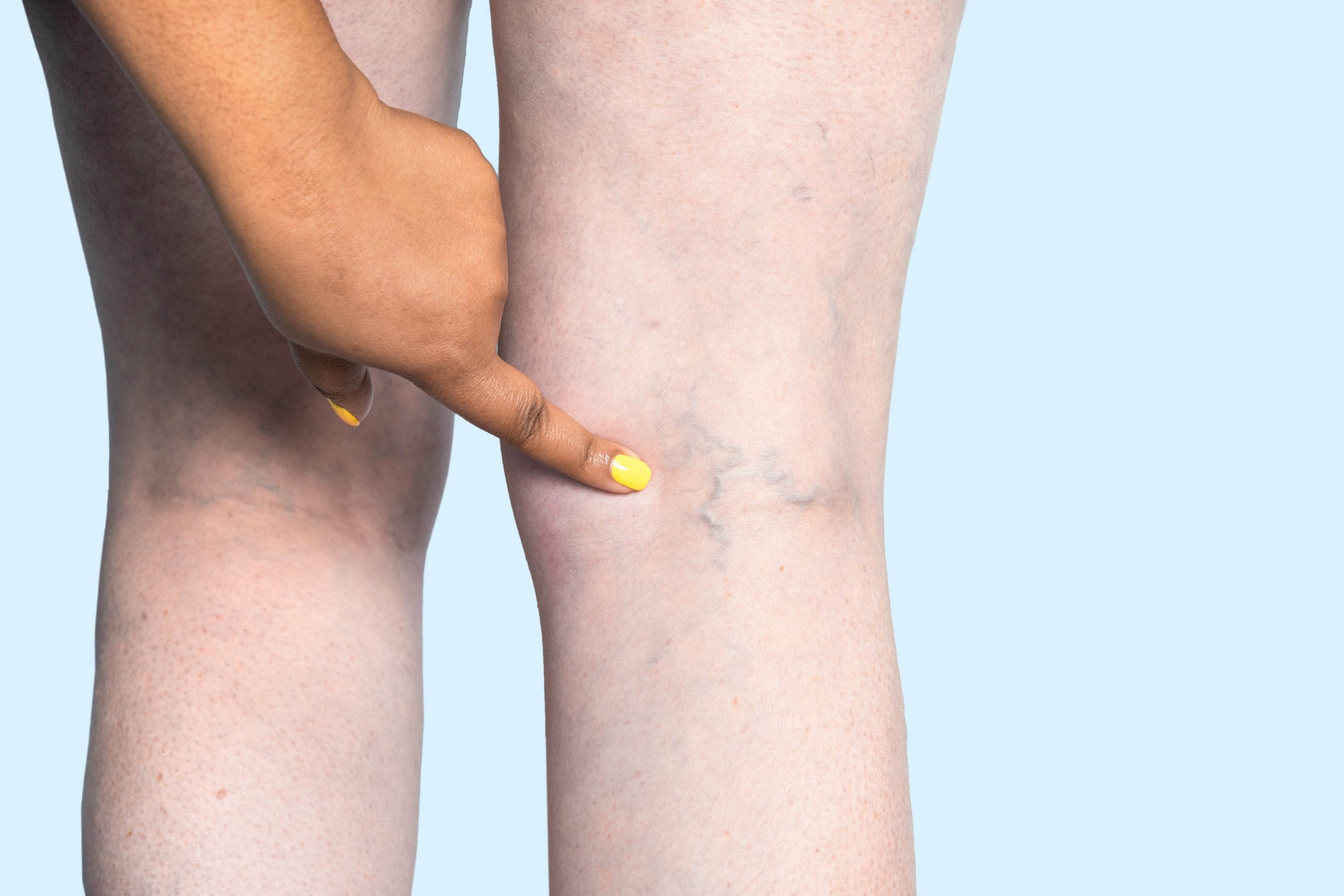
Chronic venous insufficiency happens when the veins in your legs struggle to send blood back to your heart. This can cause blood to pool in your legs, leading to swelling and other symptoms. Veins have one-way valves that help keep blood flowing toward the heart. When these valves don’t work well or get damaged, blood can flow backward and pool in your legs.
This condition can affect people of all ages but is more common in older adults. It’s different from varicose veins, although the two conditions can occur together. Varicose veins are large, twisted veins that are visible under your skin, while chronic venous insufficiency is a more serious issue that can lead to complications like skin changes and ulcers if not managed properly.
Understanding chronic venous insufficiency is the first step toward managing it effectively. Knowing how your veins work and what can go wrong helps you recognize symptoms and seek treatment early. Continuous research and advances in medical technology offer various options to treat and manage this condition effectively.
Recognizing the symptoms of chronic venous insufficiency can help you seek treatment sooner. Some common symptoms include:
Swelling usually worsens after long periods of standing or sitting.
You may feel an aching, throbbing, or heavy sensation in your legs.
Night-time leg cramps can be a sign of CVI.
The skin around your ankles and calves can become discolored, thick, or look leathery. Sometimes, you might notice a reddish-brown discoloration.
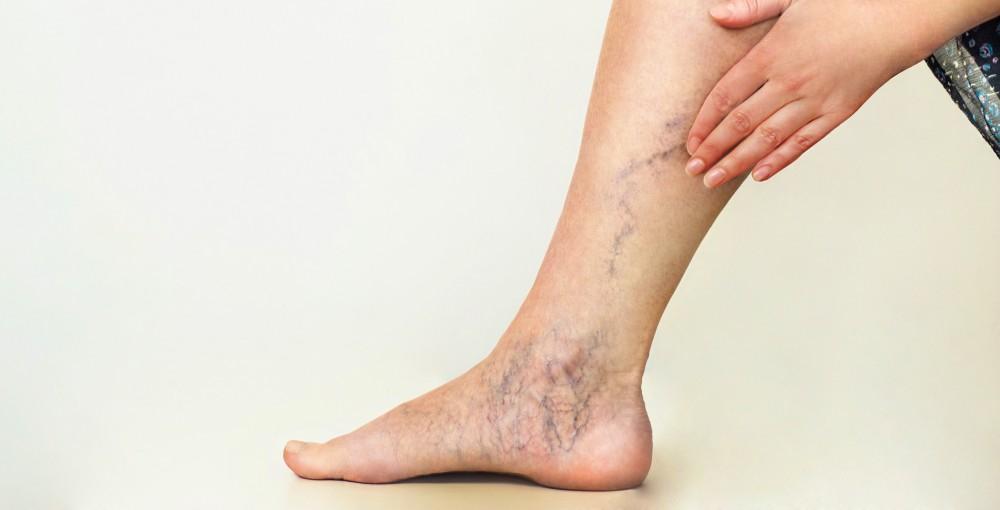
Visible, twisted veins under the skin are more than just a cosmetic issue.
You might experience itching or flaky skin around your ankles and lower legs.
In severe cases, you might develop open sores or ulcers on your legs. These sores can be slow to heal.
If you notice any of these symptoms, consult a cardiologist in The Woodlands. Early diagnosis and treatment can improve your quality of life and prevent complications.
Several factors can increase your risk of developing chronic venous insufficiency. Understanding these risks can help you take preventive measures.
The risk of CVI increases with age. Older adults are more likely to experience weakened vein walls and valves.
Women are more likely to develop CVI, possibly due to hormonal changes during pregnancy, menstruation, and menopause.
Genetics can play a role. If your family members have had chronic venous insufficiency, you may be more likely to develop it, too.
Being overweight adds extra pressure on your veins, making it harder for them to function properly.
Lack of physical activity can lead to weaker vein walls and valves.
Jobs that require long periods of standing or sitting can increase your risk.
A history of blood clots or deep vein thrombosis can damage veins and increase the risk of CVI.
Smoking can damage blood vessels and affect circulation.
By understanding these risk factors and taking steps to manage them, you can reduce your risk of developing chronic venous insufficiency.
Diagnosing chronic venous insufficiency involves several steps to ensure an accurate assessment. Here’s how it typically goes:
Your doctor will ask about your symptoms, lifestyle, and family history. This helps identify risk factors and potential causes.
A thorough physical examination will be conducted. Your doctor will look for signs like swelling, skin changes, or varicose veins.
Your doctor might order additional tests, like blood tests, to rule out other conditions that might cause similar symptoms.
Early and accurate diagnosis is important for effective treatment. Cardiologists in The Woodlands are well-equipped to diagnose chronic venous insufficiency and develop a treatment plan tailored to your needs. With the right diagnosis, you can start managing your symptoms and improving your vein health.
Making simple daily changes can help manage symptoms of chronic venous insufficiency and improve your quality of life. Here are some habits that can make a big difference:
Regular exercise, such as walking, biking, or swimming, helps improve blood flow. Aim for at least 30 minutes of activity most days.
Elevate your legs above your heart level for 15-20 minutes several times a day. This reduces swelling and helps blood flow back to the heart.
Eat plenty of fruits, vegetables, and whole grains. A healthy diet helps you maintain a healthy weight, reducing pressure on your veins.
Drink enough water each day and limit your salt intake. This helps reduce fluid retention and swelling.
If you sit or stand for long periods, take breaks to move around. Simple leg stretches or short walks can help maintain good circulation.
Avoid tight clothing that can restrict blood flow. Opt for loose, comfortable clothing, especially around your legs and waist.
Incorporating these habits into your daily routine can help manage chronic venous insufficiency and alleviate symptoms. Small changes can lead to significant improvements over time.
Exercise plays a crucial role in managing chronic venous insufficiency. Here are some effective exercises to boost your circulation:
Walking is one of the best exercises for your veins. It helps improve circulation and strengthens the calf muscles. Aim for 30 minutes of brisk walking daily.
Lie on your back and lift one leg at a time, holding for a few seconds before lowering it. This exercise helps improve blood flow in your legs.
Stand and slowly raise your heels off the ground, then lower them back down. Do this exercise several times to strengthen your calf muscles and improve circulation.
Sit or lie down and flex your ankles up and down. This simple exercise helps push blood out of the legs and back to the heart.
Swimming provides a full-body workout without putting extra pressure on your legs. It’s excellent for improving circulation and cardiovascular health.
Riding a bicycle, whether outdoors or on a stationary bike, helps strengthen the leg muscles and promote blood flow.
Regularly incorporating these exercises into your routine can significantly improve circulation and manage the symptoms of chronic venous insufficiency.
Compression stockings are a helpful tool for managing chronic venous insufficiency. These special stockings provide graduated pressure to improve blood flow.
Compression stockings help veins by squeezing the leg muscles, which helps blood flow back to the heart. This reduces pooling of blood in the legs and decreases swelling.
Put on your compression stockings first thing in the morning before getting out of bed. Be sure they fit well and aren’t too tight. Your doctor can help you choose the right type and size.
Wearing compression stockings daily can be an effective way to manage chronic venous insufficiency and improve your comfort.
If lifestyle changes and compression stockings aren’t enough, medical and minimally invasive treatments for chronic venous insufficiency can offer relief. Here are some common options:
A procedure where a solution is injected into the affected veins. This causes the veins to close off and eventually fade away. It’s often used for smaller veins.
This treatment uses radiofrequency energy to heat and close off the affected veins. A catheter is inserted into the vein, delivering energy that causes the vein to seal shut.
Similar to radiofrequency ablation but uses laser energy. A laser fiber is inserted into the vein and used to close it off.
Involves injecting foam into the veins under ultrasound guidance. The foam displaces blood and causes the vein to collapse.
A more invasive option where the affected vein is surgically tied off and removed. Typically used when other treatments are ineffective.
Your cardiologist in The Woodlands can help determine the best treatment plan for you. These treatments can significantly improve symptoms, enhance circulation, and prevent complications. By exploring these medical options, you can find relief and improve your overall vein health.
Surgical options for chronic venous insufficiency are considered when other treatments don’t provide enough relief. These procedures can help remove damaged veins, improve blood flow, and reduce symptoms.
Understanding your surgical options can help you and your doctor decide the best course of action for your specific condition.
Finding the right cardiologist in The Woodlands is important for managing chronic venous insufficiency. The right specialist will provide the care and treatments you need to improve your symptoms.
Following these steps will help ensure you choose a knowledgeable and compassionate cardiologist who can guide your treatment effectively.
Preventing chronic venous insufficiency is possible with some healthy lifestyle choices and being aware of risk factors. These steps can improve overall vein health and reduce the likelihood of developing the condition.
Making these changes can significantly lower your risk of chronic venous insufficiency and promote overall cardiovascular health.
Taking the first step toward treating chronic venous insufficiency is easy. Scheduling an appointment with a specialist in The Woodlands will put you on the path to better vein health.
1. Contact The Clinic: Call or visit the clinic’s website to make an appointment.
2. Prepare Documents: Have your medical history and any relevant test results ready for your visit.
3. Initial Consultation: Discuss your symptoms, concerns, and goals with the cardiologist.
4. Follow Recommendations: Your doctor will outline a treatment plan, which may include tests, lifestyle changes, and treatments to follow.
Following these steps will ensure you get the care and attention you need to manage your condition effectively.
Managing chronic venous insufficiency involves a combination of lifestyle changes, medical treatments, and sometimes surgery. Understanding your options and finding the right cardiologist are crucial steps in managing your condition. Prevention is equally important, and simple changes in daily habits can significantly reduce your risk.
Modern Heart and Vascular Institute is dedicated to helping you manage and prevent chronic venous insufficiency effectively. Schedule your appointment today to take the first step toward better vein health and an improved quality of life!
Every heart has a story…What’s yours?
Choose your appointment at one of our 7 locations