Office Phone Number:  (832) 644-8930

New Patient Appointments:  (346) 662-1220

PET Scan vs. CT Scan: Which Imaging Test Should You Choose?

Have you ever wondered what sets a PET scan apart from a CT scan? You may be facing a health concern and aren’t sure which imaging test is the right fit. You’re not alone – nearly 80 million CT scans are performed annually in the U.S. alone.

In this guide, we’ll break down the ins and outs of both scans, helping you make an informed decision about your health. We’ll cover:

  • What are PET and CT scans, and how do they work?
  • The key differences between the two imaging technologies.
  • When each scan is typically used.
  • The benefits and drawbacks of each option.

And hey, if you’re in the Houston area and need expert advice on cardiovascular health, the folks at Modern Heart and Vascular Institute have got your back. We are all about keeping your ticker in tip-top shape.
pet vs ct

PET Scans Explained: A Look Inside the Body's Chemistry

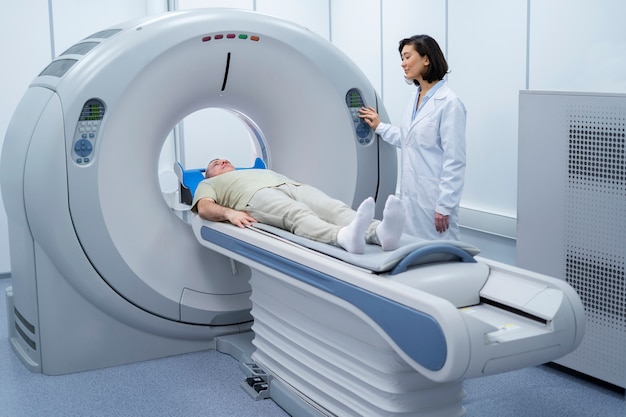
like a high-tech flashlight that illuminates the inner workings of your body’s cells and tissues. Think of it as a behind-the-scenes look at your body’s chemical processes, revealing how your organs and tissues are functioning.

  • How does a PET scan work, you ask? Well, it all starts with a special radioactive tracer – a harmless substance that’s injected into your bloodstream. This tracer is like a tiny beacon that emits signals, which are picked up by a sophisticated scanner. The scanner then creates detailed, colorful images that highlight areas of high metabolic activity.
  • But why is metabolic activity important? It’s a key indicator of how your cells are using energy. In many diseases, such as cancer, cells become hyperactive and consume more energy than normal cells. This increased activity shows up as bright spots on a PET scan, helping doctors pinpoint potential problems early on.
  • So, what exactly can a PET scan detect? It’s a versatile tool used to diagnose a wide range of conditions, including:
    • Cancer: PET scans are often used to detect cancer, determine its stage, and monitor its response to treatment.
    • Heart Disease: PET scans can reveal areas of reduced blood flow in the heart, helping doctors assess the extent of damage and plan appropriate interventions.
    • Brain Disorders: PET scans can help diagnose neurological conditions like Alzheimer’s disease, Parkinson’s disease, and epilepsy by showing changes in brain activity.

PET scans are a valuable tool for early detection and accurate diagnosis. By providing a detailed glimpse into the body’s inner workings, they empower doctors to develop personalized treatment plans and improve patient outcomes.

At Modern Heart and Vascular Institute, we utilize state-of-the-art PET scan technology to provide our patients with the highest quality care. If you’re in the Houston area and have been recommended a PET scan, we invite you to schedule a consultation with one of our experienced cardiologists.

CT Scans: Exposing the Body's Hidden Structures

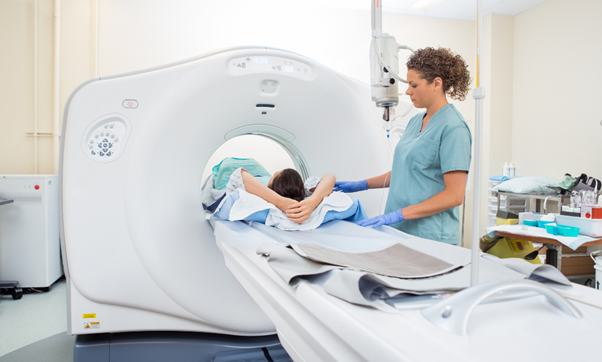
If a PET scan is like a flashlight, then a CT scan or computed tomography scan is more like a high-powered X-ray machine. It takes a series of detailed pictures from different angles, which are then combined to create a cross-sectional image of your body. It’s like slicing a loaf of bread and getting a glimpse of what’s inside at each layer.

  • How does a CT scan work? You lie on a table that slides into a large, doughnut-shaped scanner. The scanner then rotates around you, emitting X-ray beams that pass through your body. The amount of radiation absorbed by different tissues varies, and this data is used to create detailed images of your internal structures.
  • What sets CT scans apart from traditional X-rays? CT scans provide much more detailed information than standard X-rays. They can show the size, shape, and position of organs, bones, blood vessels, and tumors. This detailed view helps doctors diagnose a wide range of conditions, including:
    • Injuries: CT scans are often used to detect fractures, internal bleeding, and other injuries.
    • Infections: CT scans can reveal areas of inflammation or infection in the body.
    • Cancer: CT scans can detect tumors and assess their size and location.

While CT scans use a small amount of radiation, the benefits of early detection and accurate diagnosis far outweigh the risks for most patients. If you’re concerned about radiation exposure, talk to your doctor about the potential risks and benefits of a CT scan.

PET vs. CT: Spotting the Differences

Alright, let’s get down to brass tacks and compare these two imaging powerhouses head-to-head. While both PET and CT scans provide valuable insights into your health, they do so in fundamentally different ways. Here’s the lowdown on their key differences:

Function

  • PET Scan: This scan focuses on It reveals how your cells and tissues are working by highlighting areas of high metabolic activity. Think of it as a snapshot of your body’s chemical processes in action.
  • CT Scan: This scan focuses on It provides detailed images of your organs, bones, and tissues, giving doctors a clear picture of your body’s anatomy.

What They Detect

  • PET Scan: It’s a pro at detecting changes at the cellular level, making it particularly useful for diagnosing cancer, heart disease, and brain disorders.
  • CT Scan: It’s your go-to for diagnosing injuries, infections, and certain types of cancer. It’s also a champ at visualizing bone structures.

How They Work

  • PET Scan: Uses a special radioactive tracer that’s injected into your bloodstream. This tracer emits signals that are detected by a scanner, creating images of your body’s metabolic activity.
  • CT Scan: Uses X-ray beams that pass through your body. The amount of radiation absorbed by different tissues varies, and this data is used to create detailed images of your internal structures.

Radiation Exposure

  • PET Scan: It involves a small amount of radiation exposure, but the benefits of early detection and accurate diagnosis usually outweigh the risks.
  • CT Scan: It also involves a small amount of radiation exposure. Your doctor can discuss the potential risks and benefits with you to help you make an informed decision.

To sum it all up, think of a PET scan as a metabolic movie, while a CT scan is a detailed anatomical map. Both provide crucial information, but their focus and applications differ.

When to Call in the Imaging Experts

Now that we’ve discussed how each scan works, let’s examine when doctors typically call on these imaging superheroes.

PET Scans: Shining a Light on Cellular Secrets

PET scans are like detectives, uncovering hidden clues about your body’s cellular activity. They’re often used when doctors suspect:

  • Cancer: PET scans are a go-to tool for detecting and staging cancer. They can reveal if cancer has spread to other parts of your body, helping doctors tailor treatment plans accordingly.
  • Heart Disease: These scans can assess blood flow to the heart muscle, detect damaged areas, and guide treatment decisions for conditions like coronary artery disease.
  • Brain Disorders: PET scans can pinpoint areas of abnormal brain activity, aiding in the diagnosis of conditions like Alzheimer’s, Parkinson’s, and epilepsy.

CT Scans: Mapping the Body’s Terrain

CT scans are like detailed maps, guiding doctors through the intricate landscape of your body’s internal structures. They’re commonly used for:

  • Injuries: If you’ve experienced trauma, a CT scan can quickly assess the extent of damage, revealing broken bones, internal bleeding, or organ injuries.
  • Infections: CT scans can pinpoint areas of infection or inflammation, guiding doctors in choosing the most effective treatment.
  • Cancer: While not as sensitive as PET scans for early cancer detection, CT scans are valuable for assessing tumor size, location, and response to treatment.
  • Other Conditions: CT scans can also help diagnose blood clots, kidney stones, appendicitis, and other conditions affecting your organs and tissues.

Your doctor is the best person to determine which scan is right for you. They’ll consider your specific health concerns, medical history, and the information they need to make an accurate diagnosis.

Weighing the Pros and Cons: PET vs. CT

Choosing the right scan is like picking the right tool for the job. Each has its strengths and weaknesses, and understanding those can help you make an informed decision about your health.

PET Scan: A Glimpse into the Body’s Chemistry

Pros:

  • Early detection: PET scans can often detect diseases like cancer in their early stages, even before they cause symptoms.
  • Accurate diagnosis: They provide valuable information about how your organs and tissues are functioning, leading to more accurate diagnoses.
  • Treatment planning: PET scans can help doctors determine the best course of treatment, monitor patients’ responses to therapy, and assess whether a treatment is working.

Cons:

  • Radiation exposure: While the amount of radiation is small, it’s still something to consider, especially for pregnant women or those who have had multiple scans in the past.
  • Cost: PET scans tend to be more expensive than CT scans.
  • Limited availability: Not all hospitals or clinics offer PET scans.

CT Scan: A Detailed Map of Your Anatomy

Pros:

  • Detailed images: CT scans provide incredibly detailed images of your bones, organs, and tissues, allowing for precise diagnosis of a wide range of conditions.
  • Non-invasive: Unlike some procedures, CT scans don’t require incisions or anesthesia.
  • Quick and painless: The scan itself is usually quick and painless, although you may need to lie still for a short period.
  • Widely available: CT scans are readily available in most hospitals and clinics.

Cons:

  • Radiation exposure: Similar to PET scans, CT scans involve a small amount of radiation.
  • Contrast dye reactions: Some people may have allergic reactions to the contrast dye used in some CT scans.
  • Less sensitive to early disease: CT scans may not be as sensitive as PET scans in detecting early-stage diseases or subtle changes in tissue function.

Modern Heart and Vascular Institute is proud to offer PET and CT scan services to our patients. Our team of experienced cardiologists will work with you to determine the most appropriate imaging test for your specific needs and provide you with the highest-quality care.
PET Scan

Making an Informed Choice: Your Health, Your Call

Deciding between a PET and CT scan? It boils down to what your doctor needs to see. Both are powerful tools, each with its strengths. It’s all about picking the right tool for the job.

Key takeaways:

  • PET scans: Reveal your body’s inner workings and chemical processes
  • CT scans: Provide detailed anatomical maps of your organs and tissues
  • Both play vital roles in diagnosing and treating various conditions
  • Your doctor will guide you toward the most appropriate scan for your needs

Need expert guidance on which scan is right for you? The team at Modern Heart and Vascular is here to help. We’ll walk you through your options and ensure you get the answers you need to take charge of your health. Your heart’s in good hands with us.

Modern Heart And Vascular

Our cardiovascular center is dedicated to heart health and helping our patients manage vascular and heart-related conditions.
Modern Heart and Vascular logo

CARDIOVASCULAR CENTERS IN HOUSTON, TEXAS

Modern Heart and Vascular, a preventive cardiology medical practice, has several offices around Houston. We have locations in Humble, Cleveland, The Woodlands, Katy, and Livingston.

We are Modern Heart and Vascular Institute, a diagnostic and preventative medicine cardiology practice.

Every heart has a story… What’s yours?

Book an Appointment Today

At the Modern Heart and Vascular Institute, we offer state-of-the-art cardiovascular care with innovative diagnostic tools and compassionate patient care. Our priority at Modern Heart and Vascular Institute is prevention. We help patients lead healthier lives by avoiding unnecessary procedures and surgeries.

Contact us online to learn more and book an appointment. If you’d like to learn more about our practice, read our providers’ bios.

This article does not provide medical advice. It is intended for informational purposes only. It is not a substitute for professional medical advice, diagnosis, or treatment. If you need cardiovascular care, please call us at 832-644-8930.

Modern Heart And Vascular

All Modern Heart and Vascular content is reviewed by our team before publication. While the educational information we provide is intended to be accurate, this content is not a substitute for a consultation with a doctor to address your unique symptoms and establish a treatment plan.

Request an
Appointment

Every heart has a story…What’s yours?
Choose your appointment at one of our 7 locations