
Office Phone Number: (832) 644-8930
New Patient Appointments: (346) 662-1220
Taking care of wounds is important for everyone, but it’s especially key for those with heart concerns. Proper wound care helps stop infections before they start. Infections can make the heart work harder and increase the risk of serious problems.
When a wound becomes infected, germs can enter the bloodstream, leading to conditions that strain the heart, like sepsis or endocarditis. Simple steps like cleaning and dressing wounds correctly can make a big difference. It’s not just about healing faster; it’s about keeping the whole body, including the heart, healthy.
Regular check-ups and good nutrition are also part of keeping wounds and heart health in check. Eating the right foods helps wounds heal and keeps the heart strong. Seeing a doctor regularly ensures any problems are caught early. Understanding the connection between wound care and heart health can help you stay healthier longer.
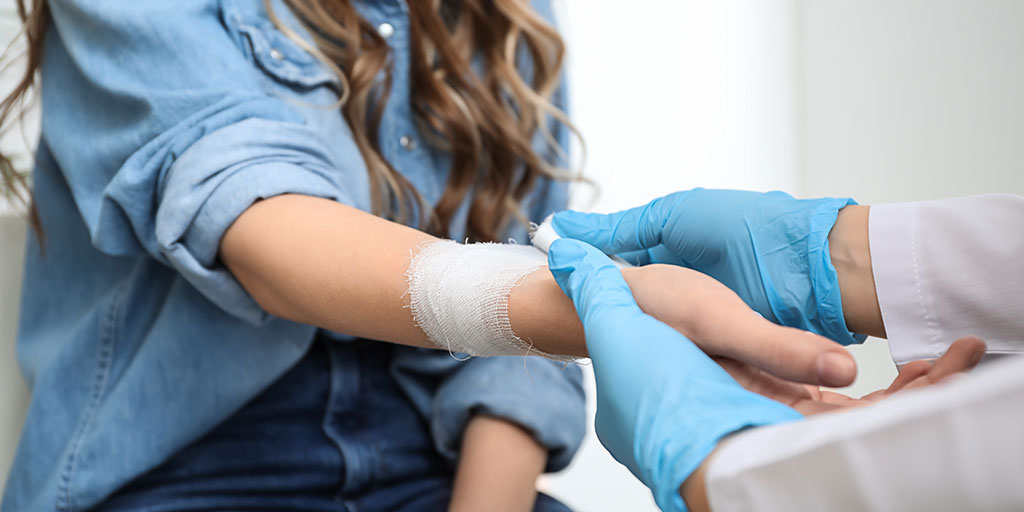
Wound care involves cleaning, dressing, and monitoring wounds to help them heal properly. Taking good care of wounds prevents infections and promotes quicker healing. Even small wounds need attention to avoid complications.
When you have a wound, germs can enter and cause an infection. An infected wound takes longer to heal and can cause more serious health issues. Simple steps like washing hands before caring for a wound and using clean dressings can help keep the wound clean.
Proper wound care isn’t just about healing faster. It’s also about protecting your overall health, especially your heart. When wounds heal correctly, they reduce stress on the body and allow you to stay healthy and active.
Wound care is very important for heart health. When a wound becomes infected, germs can spread through the bloodstream, increasing the risk of conditions that can harm the heart.
An infected wound can lead to sepsis, a serious illness that spreads throughout the body. Sepsis can make the heart work harder and raise the risk of heart problems. Another condition is endocarditis, where germs infect the heart’s inner lining.
When heart health is already a concern, preventing infections becomes even more crucial. Proper wound care keeps infections at bay, reducing extra stress on the heart. Simple steps like cleaning wounds well and keeping them covered can make a big difference.
There are several types of wounds, each with its own risks to heart health. Knowing the different types helps in managing them better.
These are scrapes or grazes on the skin. They often happen when you fall and can become dirty easily. Cleaning them right away helps prevent infection.
These are deep cuts that can affect layers of skin and tissue. They can bleed a lot and, if not treated, can become serious infections.
These happen when something sharp pierces the skin, like a nail or needle. Punctures can carry deep infections if not cleaned and treated properly.
Burns damage the skin through heat, chemicals, or electricity. Severe burns can lead to serious infections that affect overall health, including the heart.
Each type of wound needs proper care to prevent infections, which can cause complications and affect heart health.
Taking care of wounds involves cleaning and dressing them properly. Following these steps can help ensure wounds heal well.
Always start by washing your hands with soap and water.
Use clean water to gently wash the wound. Remove any dirt or debris to prevent infection.
Use an antiseptic solution to disinfect the wound. This kills germs and reduces the risk of infection.
Gently pat the wound dry with a clean cloth. Apply a sterile dressing or adhesive bandage to protect it.
Check the wound daily and change the dressing. Keep it clean and dry to promote healing.
Look for redness, swelling, or discharge. If you notice any of these signs, seek medical help.
By following these steps, you can help your wounds heal properly and avoid infections that could impact your heart health.
Proper wound care is key to preventing infections. Here are some practices you can follow:
Always wash the wound with clean water and mild soap. This helps remove dirt and germs.
Apply antiseptic solutions or ointments to kill germs and prevent infection.
Use sterile bandages or dressings to protect the wound from dirt and bacteria.
Replace the dressing daily or whenever it gets wet or dirty. This ensures the wound stays clean.
Check the wound daily for signs of infection. Early detection is crucial for preventing complications.
Do not pick at or scratch the wound. This can introduce bacteria and delay healing.
These simple steps can go a long way in keeping wounds clean and reducing the risk of infections that can affect heart health.
Knowing the signs of infection can help you act quickly to prevent complications. Watch for these signs:
Infected wounds often become red and swollen. The area around the wound may feel warm to the touch.
Increased pain or tenderness around the wound can be a sign of infection.
Pus or other discharge from the wound indicates an infection. The discharge may have a foul odor.
A fever may develop if the infection is affecting your body more broadly.
If the wound is not healing or appears to be getting worse, it could be infected.
If you notice any of these signs, seek medical attention right away. Treating infections quickly helps prevent more serious health issues, including those that can stress the heart.
Good nutrition plays a vital role in both wound healing and heart health. Here are some nutrients that are particularly important:
Protein helps repair tissues and supports the immune system. Include lean meats, beans, and nuts in your diet.
Vitamin C boosts collagen production, which is essential for wound healing. Citrus fruits, strawberries, and bell peppers are good sources.
Zinc is crucial for cell growth and immune function. Foods like meat, shellfish, and seeds are rich in zinc.
Iron helps carry oxygen to cells, aiding in the healing process. Include red meat, beans, and spinach in your meals.
Healthy fats from sources like avocados, nuts, and olive oil support overall health and inflammation reduction.
Eating a balanced diet rich in these nutrients helps wounds heal faster and keeps the heart strong. Proper nutrition supports the body’s ability to repair itself and maintain optimal health.
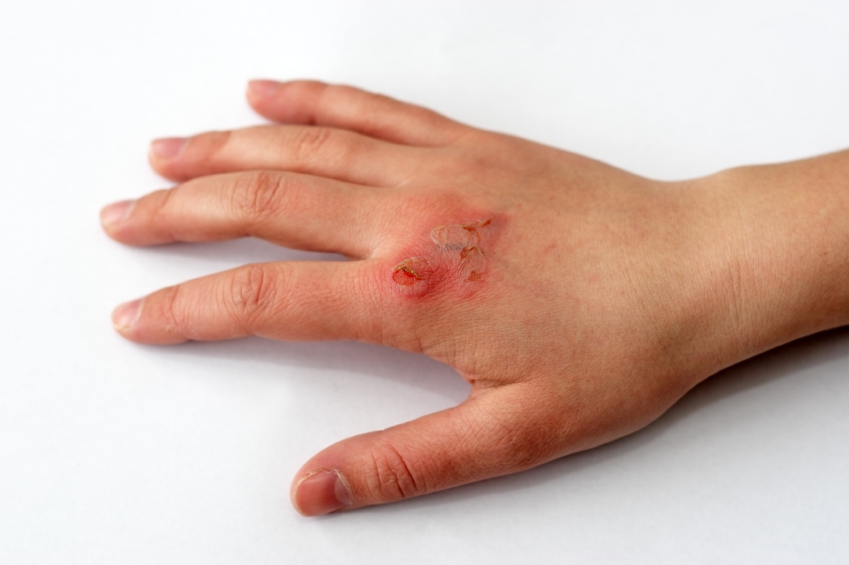
Chronic wounds are wounds that do not heal properly or take a long time to heal. These wounds can have a significant impact on heart health.
Chronic wounds can lead to persistent inflammation. Long-term inflammation can strain the heart and other organs. The continuous presence of an open wound increases the risk of bacterial entry, leading to infections like sepsis. Severe infections can spread quickly through the bloodstream, increasing the heart’s workload and leading to complications.
Chronic wounds may also signal underlying health problems, such as diabetes or poor circulation. These conditions already place extra stress on the heart. Managing chronic wounds effectively is essential for reducing the risk of heart-related issues.
Proper wound care, regular medical check-ups, and a healthy lifestyle are important for managing chronic wounds and protecting heart health. Addressing the root causes of chronic wounds can lead to better overall health and reduce the risk of complications.
Treating hard-to-heal wounds requires special care and advanced treatments. One option is hyperbaric oxygen therapy (HBOT). This involves breathing pure oxygen in a pressurized room, which helps wounds heal quicker by getting more oxygen to the damaged tissue.
Another treatment is negative pressure wound therapy (NPWT). This uses a vacuum pump to remove excess fluid and bacteria from the wound, helping reduce swelling and promote healthy tissue growth. Skin grafting may also be used for severe wounds. Healthy skin is taken from another part of the body and placed on the wound to help it heal faster.
Additionally, bioengineered tissue products and growth factor therapies can be used. These advanced treatments provide the necessary cells and proteins to speed healing.
Regular check-ups are crucial for managing both wound and heart health. These visits help catch problems early, making treatment easier and more effective. Doctors can monitor wound healing and detect signs of infection before they become serious.
Frequent check-ups also help manage chronic conditions like diabetes and heart disease, which can slow down wound healing. Your doctor can adjust your treatment plan based on your current health status, ensuring that both your wounds and heart are well cared for.
Attending regular appointments contributes to overall better health. This proactive approach helps maintain a balanced lifestyle, reducing the risks associated with both wound-related infections and heart complications.

Caring for a loved one with wounds requires careful planning and attention. Here are some tips to help:
1. Stay Educated: Learn about proper wound care techniques and heart health to provide the best care.
2. Keep Supplies Handy: Always have clean dressings, bandages, and antiseptics available.
3. Monitor for Signs of Infection: Check for redness, swelling, or unusual discharge from wounds.
4. Encourage Healthy Eating: A balanced diet helps both wound healing and heart health.
5. Promote Regular Check-Ups: Ensure your loved one attends all medical appointments for ongoing care.
6. Practice Good Hygiene: Wash your hands before and after wound care to prevent infections.
7. Stay Positive: Provide emotional support, which is crucial for overall well-being.
By following these tips, caregivers can ensure their loved ones are on the right track for healing and maintaining good heart health.
Modern Heart and Vascular provides comprehensive care for both wound management and heart health. Our team of experts uses the latest treatments and technologies to address hard-to-heal wounds and offer specialized heart care. We ensure a holistic approach to health, considering the interconnection between wound care and heart health.
We offer personalized care plans tailored to your specific needs. Regular check-ups and monitoring are at the core of our services, helping to catch and treat issues early. With our focus on prevention and management, we aim to improve your quality of life.
Modern Heart and Vascular is dedicated to providing the highest level of care. Our experienced medical professionals are here to support you every step of the way, ensuring you receive the best care possible.
Taking care of wounds is crucial for preventing infections and maintaining heart health. You can manage both effectively by understanding proper treatments and the importance of regular check-ups. Caregivers play a key role, and with the right knowledge and support, they can help improve outcomes for their loved ones.
At Modern Heart and Vascular, we are committed to your health and well-being. Visit us to learn more about our comprehensive care plans and how we can help you achieve optimal heart health in Katy, TX. Let us be your partner in maintaining a healthy heart and body. Schedule your appointment today with us!

CARDIOVASCULAR CENTERS IN HOUSTON, TEXAS
Modern Heart and Vascular, a preventive cardiology medical practice, has several offices around Houston. We have locations in Humble, Cleveland, The Woodlands, Katy, and Livingston.
We are Modern Heart and Vascular Institute, a diagnostic and preventative medicine cardiology practice.
Every heart has a story… What’s yours?
Book an Appointment Today
At the Modern Heart and Vascular Institute, we offer state-of-the-art cardiovascular care with innovative diagnostic tools and compassionate patient care. Our priority at Modern Heart and Vascular Institute is prevention. We help patients lead healthier lives by avoiding unnecessary procedures and surgeries.
Contact us online to learn more and book an appointment. If you’d like to learn more about our practice, read our providers’ bios.
This article does not provide medical advice. It is intended for informational purposes only. It is not a substitute for professional medical advice, diagnosis, or treatment. If you need cardiovascular care, please call us at 832-644-8930.
Every heart has a story…What’s yours?
Choose your appointment at one of our 7 locations