
Office Phone Number: (832) 644-8930
New Patient Appointments: (346) 662-1220
Mitral valve prolapse is often mild. It can cause the valve’s leaflets to bulge back into the left atrium with each heartbeat. This might lead to an irregular heartbeat, or arrhythmia. Look out for chest flutters or feeling lightheaded, as these could be signs of a change.
Mitral valve prolapse (MVP) changes how blood moves between the left atrium and ventricle. This can cause the leaflets to bulge, leading to mitral regurgitation. If you’re facing a medical emergency, call 911 right away.
MVP is a common cause of mitral regurgitation in many countries. It can lead to severe leakage, which is a big worry for valvular heart disease. The leaflets may bow backward under stress, so it’s important to get regular heart checks.
A faulty mitral valve can let blood flow back into the left atrium. This extra force can harm the heart’s structures. Some people might not show symptoms, but others may feel breathlessness or chest pain. Getting medical help is key to managing these issues and keeping your health safe.
Mitral valve prolapse can show up in different ways. Some people hear a heart murmur, while others feel their heart fluttering. Even if symptoms are mild, it’s smart to talk to a doctor about them.
A racing heartbeat is a sign of palpitations. Chest tightness can happen if the valve moves too much. If you hear a loud heart murmur, see a doctor right away. For sudden severe symptoms, call 911.
Leaky valves can strain the heart. This might cause shortness of breath, weakness, or more fatigue. Paying attention to these signs can help catch problems early.
An echocardiogram is key in checking for mitral valve prolapse. Doctors use it to see how the valve works in real time. They might also do stress tests to see how the heart performs when you’re active.
If you have chest pain or feel dizzy without reason, tell your cardiologist. Some people might just feel a little discomfort. But others might have symptoms that need quick help.
Every case of mitral valve prolapse is unique. Some people just need simple steps, while others need more complex treatments. Medications can help with symptoms, and surgeries can fix the valve’s function.
Beta-blockers and similar drugs help control heart rhythm. They can also reduce shortness of breath and fatigue by easing heart strain. Doctors might suggest eating well and exercising safely. Stress management is also key to keep blood flowing smoothly.
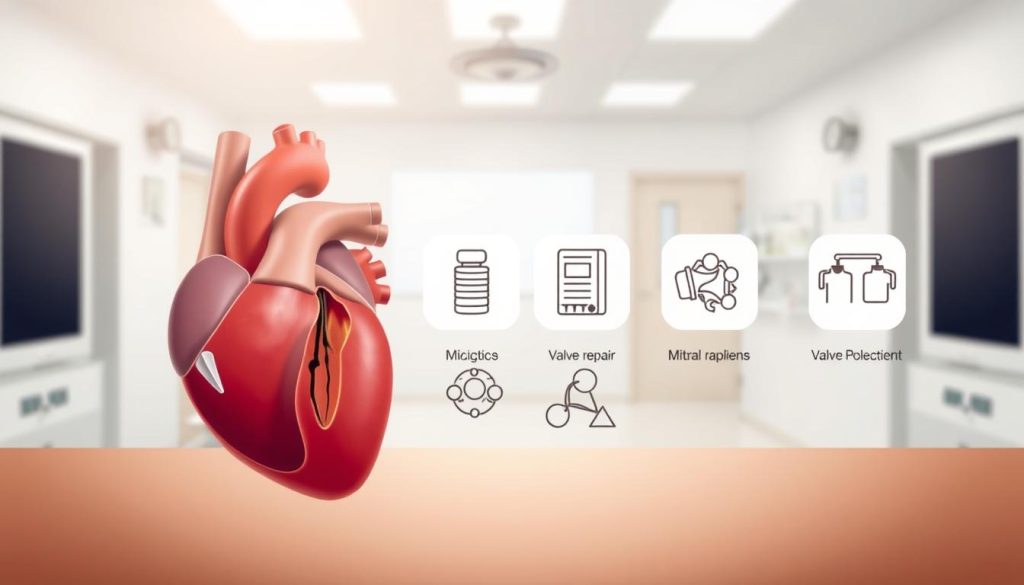
Valve repairs aim to fix the valve without replacing it. If the valve is badly damaged, a replacement might be needed. These surgeries can help reduce fatigue and shortness of breath over time.
A team of experts will look at your case and suggest the best course of action. Regular check-ups are important to keep your care balanced and prevent problems.
Many people with mitral valve issues find relief in balanced habits. Drinking less alcohol can ease heart strain. Quitting smoking also helps protect blood vessels.
Exercising, with a doctor’s okay, can make your body stronger. It also helps avoid putting too much stress on the mitral valve.
Try light activities like brisk walks or swimming. These are good even if you have MVP or mild mitral regurgitation. Regular health checks help spot any changes early.
This way, you can adjust your activities before problems get worse. An active lifestyle boosts your energy without overdoing it. This keeps you comfortable every day.
If you feel sudden chest pain, intense weakness, or other serious symptoms, act fast. If it’s a medical emergency, call 911 right away. Making these changes can help keep you healthy and confident in your daily life.
Mild chest twinges can worry you, even more so if you have Mitral Valve Prolapse (MVP). If pain gets sharper or you feel dizzy suddenly, it might be serious. Always call 911 for severe chest pain or if you faint.

Shortness of breath without warning can mean trouble. If you’re on blood thinners, watch for signs of bleeding after a fall or injury. Look for unexplained bruises. Quick action can help avoid a long recovery.
Keep an eye on symptoms like persistent palpitations or fatigue. Call 832-644-8930 to book a cardiologist visit. Catching small changes in MVP early can keep your heart healthy.
MVP affects about 2.4% of people and usually stays the same when checked often. Regular visits help find any changes in the valve. This guides treatment choices.
Be careful for sudden signs like chest tightness or fainting. If these problems get worse, see a doctor right away.
Living a balanced life helps a lot in the long run. Talk to a doctor about safe activities and watch for warning signs. For more info, check out this guide.
If you’re ready for a check-up, call 832-644-8930. Getting personalized care and quick checks can keep your heart safe. Always listen to your doctor and stay in touch with your care team.
Mitral valve prolapse happens when the mitral valve bulges into the left atrium. This can cause blood to leak back. Unlike many other heart diseases, MVP often has no symptoms. But, it needs to be watched to prevent getting worse.
The murmur comes from the valve leaflets clicking and blood leaking back. This sound happens when the valve doesn’t close right. It shows changes in blood flow through the heart.
Not everyone with MVP has these symptoms. Some people don’t show any signs, while others might feel mild chest pain or fatigue. It’s important to talk to your doctor about any new or worsening symptoms.
Yes. MVP can stress the heart and cause arrhythmias. People might feel their heart beating fast or fluttering. If this happens a lot, talk to your doctor.
An echocardiogram uses sound waves to see the heart. It checks if the mitral valve bulges or leaks. This test shows how bad the leak is and helps decide the best treatment.
Doctors might suggest medicine or lifestyle changes to help with fatigue. For severe cases, surgery might be needed to fix the valve. This can help the heart work better.
Call 911 for severe symptoms like intense chest pain or trouble breathing. For concerns like palpitations or fatigue, call 832-644-8930 to see your cardiologist.
Every heart has a story…What’s yours?
Choose your appointment at one of our 7 locations