
Office Phone Number: (832) 644-8930
New Patient Appointments: (346) 662-1220
You just had vein ablation and are wondering, “Now what?” Don’t worry. We’ve got you covered. Whether you’re feeling great or a bit achy, knowing what to expect during recovery is key to getting back on your feet fast.
In this guide, we’ll walk you through:
And hey, if you’re in the Houston area and looking for top-notch vein care, check out Modern Heart and Vascular. We’ve helped countless patients recover smoothly and get back to doing what they love.
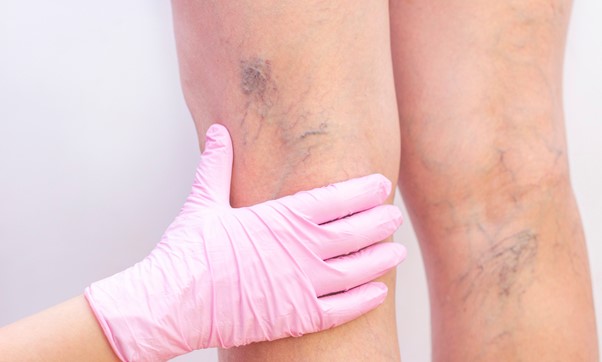
Everyone’s recovery is a bit different, but here’s a general timeline of what you can expect after vein ablation:
Right after your procedure, your leg might feel a little sore, and you might notice some bruising or swelling. This is totally normal. Take it easy these first few days:
Pro Tip: Listen to your body. If you feel pain, rest. Don’t push yourself too hard.
By now, you should notice the swelling and bruising starting to fade. You can start incorporating more activity into your day but still avoid anything too strenuous.
By this point, most people are feeling back to normal. You can resume most of your regular activities, including exercise.
By now, you should be feeling great. Continue to:
This is just a general guideline. Your recovery timeline may vary depending on the specific procedure you had and your healing process. Always follow your doctor’s instructions and listen to your body.
While vein ablation is minimally invasive, it’s still a procedure. You might experience some mild discomfort and side effects. But don’t sweat it. There are things you can do to feel better:
Pro Tip: If you experience severe pain, fever, or signs of infection (like redness, warmth, or pus), contact your doctor as soon as possible.
At Modern Heart and Vascular, we prioritize your comfort and well-being. We’ll provide you with detailed instructions and personalized care to help you manage any discomfort and ensure a smooth recovery.
You’re likely eager to get back to your routine, and the good news is that you can do so quickly after vein ablation. However, it’s important to listen to your body and your doctor’s advice.
Your doctor will give you specific instructions about when you can resume certain activities. Feel free to ask if you need clarification on anything. We want you to have a safe and smooth recovery.
If you’re a patient at Modern Heart and Vascular, we’ll work closely with you to create a personalized recovery plan that helps you get back to your normal activities as quickly and safely as possible.
Vein ablation is a minimally invasive procedure with a relatively quick recovery time. Most patients can resume their normal daily activities within a few days. While you won’t need to stay in the hospital, it’s essential to follow your doctor’s post-procedure care instructions closely. This includes managing any discomfort, wearing compression stockings, and gradually increasing physical activity.
To ensure optimal healing, it’s best to avoid strenuous activities for a couple of weeks. This includes heavy lifting, intense workouts, and prolonged standing or sitting. Gentle exercise like walking is encouraged, but always listen to your body and avoid anything that causes significant discomfort.
For the first few days or even weeks, you might experience some soreness or bruising in the treated area. However, these symptoms usually gradually improve. Over-the-counter pain relievers and applying ice packs can help manage discomfort. If the pain intensifies or doesn’t subside, contact your doctor.
Most patients report minimal discomfort during and after the procedure. Your doctor will use local anesthesia to numb the treatment area, and you might feel a slight pinch or pressure. Some mild soreness is normal afterward, but it’s usually manageable with over-the-counter pain relievers.
Elevating your legs above your heart can help reduce swelling. Aim to do this for about 15-20 minutes a few times a day, especially during the first week. Wearing compression stockings, as recommended by your doctor, can also help.
Yes, vein ablation can significantly improve circulation. By removing the damaged vein, blood flow is redirected to healthier veins, reducing symptoms like swelling, heaviness, and fatigue in the legs.
Walking is beneficial for recovery as it helps improve circulation and prevent blood clots. Aim for at least 30 minutes of walking per day, but listen to your body and avoid overexerting yourself.
Once the damaged vein is closed off, blood is naturally redirected through other healthy veins. This improves blood flow and reduces pressure on the affected area.
While vein ablation is a highly effective procedure with long-lasting results, it’s important to maintain a healthy lifestyle to prevent the development of new varicose veins. Factors like obesity, prolonged standing, and pregnancy can increase the risk of developing new varicose veins.
You’re well on your way to healthier legs and a more active life. Remember, recovery is a journey, and everyone’s experience is unique.
Key takeaways:
At Modern Heart and Vascular, we’re here to support you every step of the way. From personalized treatment plans to expert guidance throughout your recovery, we’re committed to helping you achieve optimal vein health.

CARDIOVASCULAR CENTERS IN HOUSTON, TEXAS
Modern Heart and Vascular, a preventive cardiology medical practice, has several offices around Houston. We have locations in Humble, Cleveland, The Woodlands, Katy, and Livingston.
We are Modern Heart and Vascular Institute, a diagnostic and preventative medicine cardiology practice.
Every heart has a story… What’s yours?
Book an Appointment Today
At the Modern Heart and Vascular Institute, we offer state-of-the-art cardiovascular care with innovative diagnostic tools and compassionate patient care. Our priority at Modern Heart and Vascular Institute is prevention. We help patients lead healthier lives by avoiding unnecessary procedures and surgeries.
Contact us online to learn more and book an appointment. If you’d like to learn more about our practice, read our providers’ bios.
This article does not provide medical advice. It is intended for informational purposes only. It is not a substitute for professional medical advice, diagnosis, or treatment. If you need cardiovascular care, please call us at 832-644-8930.
Every heart has a story…What’s yours?
Choose your appointment at one of our 7 locations