Office Phone Number:  (832) 644-8930

New Patient Appointments:  (346) 662-1220

Venous Reflux/Insufficiency

what is venous reflux insufficiency modern heart and vascular

What is Venous Reflux/Insufficiency?

Think of your veins as a highway system, with one-way valves acting like toll booths, keeping traffic flowing smoothly back to your heart. Now, imagine some of those toll booths malfunctioning, letting cars back up and causing a traffic jam. That’s what happens with venous reflux (also called venous reflux/insufficiency).

In simpler terms, the valves in your veins get weak or damaged, and blood starts flowing backward instead of up toward your heart. This causes blood to pool in your legs, leading to those uncomfortable symptoms we mentioned earlier.

Not just a cosmetic issue. While varicose veins are a common sign, venous insufficiency is more than just a cosmetic concern. It can significantly impact your quality of life, making it challenging to stand or walk for long periods. Left untreated, it can also lead to more severe problems like skin changes, ulcers, and even blood clots.

The good news is that venous reflux/insufficiency is treatable. But first, you need to know if you have it.
 
Modern Heart and Vascular offers painless, non-invasive testing to diagnose venous insufficiency. This allows us to create a personalized treatment plan to address your specific needs and get you back to feeling great.

Common Symptoms of Venous Reflux/Insufficiency: Don't Ignore These

Venous insufficiency often starts subtly, but its symptoms can become increasingly bothersome if left unchecked. Here’s what to watch out for:

  • Achy, heavy legs: This is the classic sign. It often feels worse after standing or sitting for long periods and improves when you elevate your legs.
  • Swelling (edema): You might notice your ankles or legs looking puffy, especially towards the end of the day.
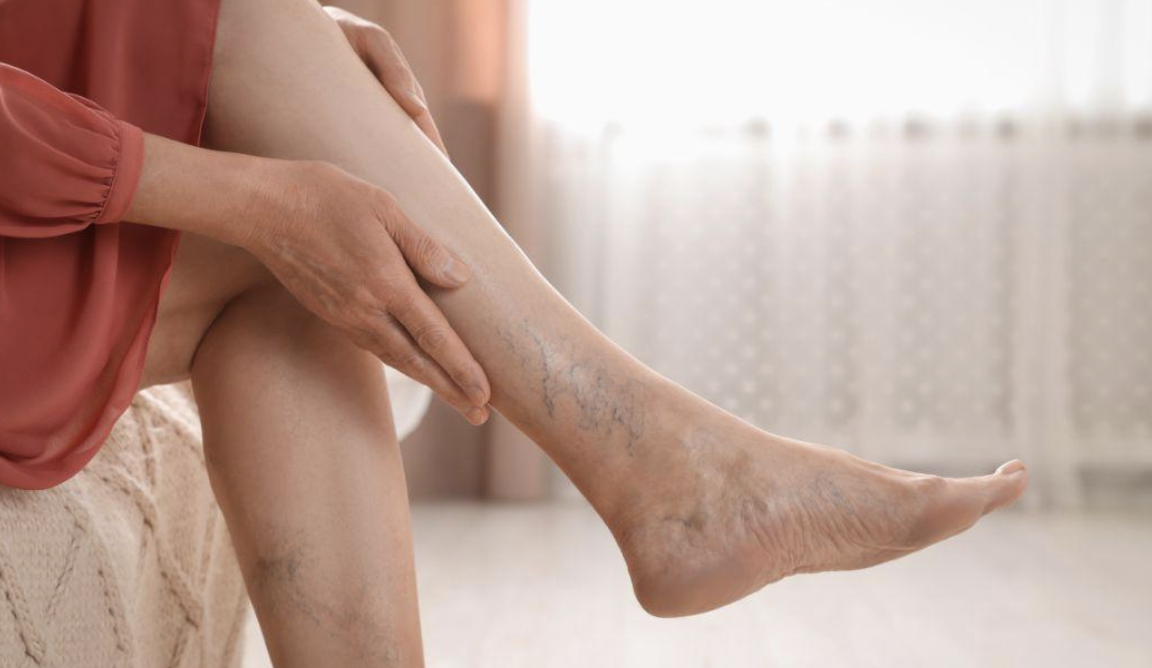
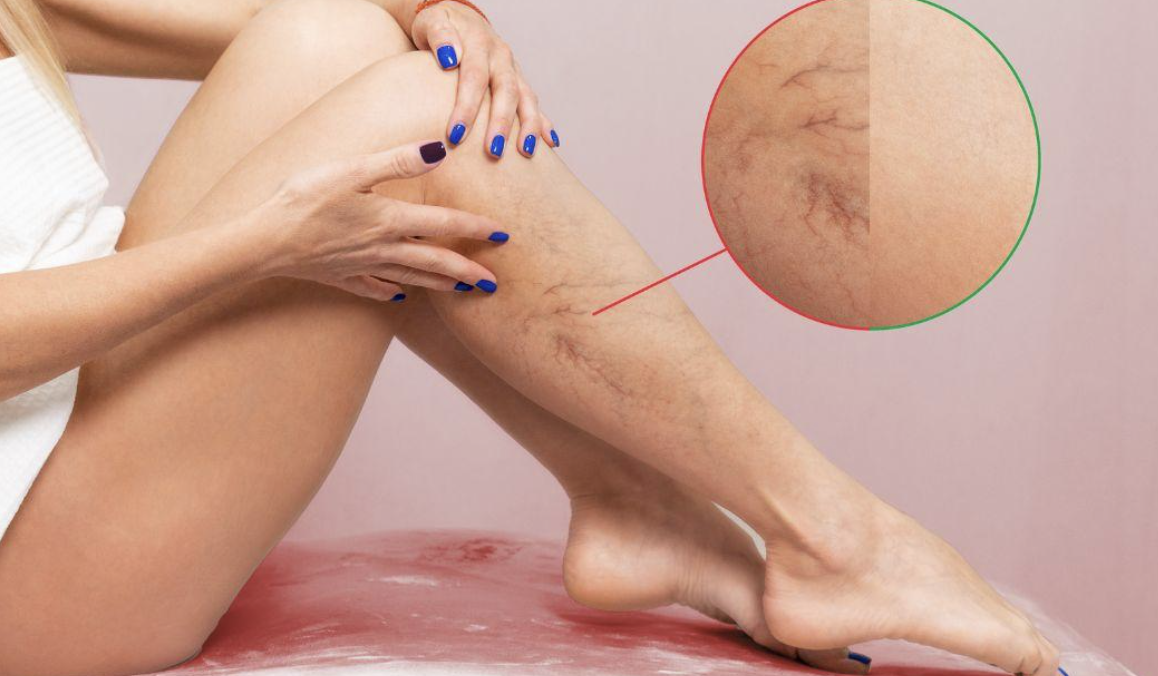
  • Varicose veins: These twisted, bulging veins are a telltale sign of blood pooling in your legs.
  • Skin changes: The skin on your legs might become discolored (brownish), dry, itchy, or even leathery.
  • Leg ulcers: In severe cases, open sores can develop, usually around the ankles. These ulcers can be painful and slow to heal.
  • Restless legs: That uncomfortable urge to move your legs, especially at night, can sometimes be linked to venous insufficiency.

Sound familiar? If you’re experiencing any of these symptoms, don’t hesitate to reach out to a healthcare professional. Early diagnosis and treatment can make a world of difference.

At Modern Heart and Vascular, our team is dedicated to helping you identify and manage venous insufficiency. We’ll work with you to develop a personalized treatment plan to alleviate your symptoms and improve your overall leg health.
What Causes Venous Reflux/Insufficiency?

venous reflux insufficiency

It all boils down to those tiny valves in your veins. When they weaken or become damaged, they can’t do their job of preventing blood from flowing backward. This leads to a buildup of blood in your legs, causing all those uncomfortable symptoms.

But what causes those valves to malfunction in the first place? Here are some of the usual suspects:

  • Age: As we age, our veins naturally lose some of their elasticity, and the valves can become less effective. It’s like an old rubber band—it just doesn’t snap back as well as it used to.
  • Family history: If your parents or siblings have venous insufficiency, you’re more likely to develop it, too. It’s not a guarantee, but it definitely increases your risk.
  • Pregnancy: The extra weight and hormonal changes during pregnancy can put a lot of strain on your veins. This can lead to valve damage and venous insufficiency.
  • Obesity: Carrying extra weight puts additional pressure on your veins, making them work harder and increasing the risk of valve problems.
  • Sedentary lifestyle: Sitting or standing for long periods without moving around can hinder blood flow in your legs, contributing to venous insufficiency.
  • Previous blood clots (deep vein thrombosis): Blood clots can damage vein valves, making them less effective at preventing backflow.
  • Injury or surgery: Trauma to your legs can also damage veins and valves, increasing your risk of venous insufficiency.

Even if you have one or more of these risk factors, it doesn’t mean you’ll definitely develop venous insufficiency. But it’s essential to be aware of them and take steps to protect your vein health.

Treatment Options: Getting Back on Your Feet

The good news is that venous insufficiency is treatable. And the even better news? Many treatment options are minimally invasive and can get you back to your normal activities quickly. Let’s explore some of the most common approaches:

Lifestyle Changes: Small Tweaks, Big Impact on Venous Reflux/Insufficiency

Sometimes, simple adjustments to your daily routine can make a big difference:

  • Elevate your legs: Prop them up whenever you can, especially at the end of the day. This helps reduce swelling and improve blood flow.
  • Compression stockings: These specially designed stockings gently squeeze your legs, promoting blood flow back to your heart.
  • Exercise: Regular physical activity, like walking or swimming, helps strengthen your calf muscles, which act as a natural pump for your veins.
  • Weight management: If you’re overweight, shedding some pounds can take pressure off your veins and improve circulation.
  • Avoid prolonged sitting or standing: Take breaks to move around and stretch your legs throughout the day.

Medical Procedures: When Lifestyle Changes Aren’t Enough

If lifestyle changes alone don’t cut it, several medical procedures can effectively treat venous reflux/insufficiency:

  • Endovenous ablation: This minimally invasive procedure uses heat or radiofrequency energy to close off the damaged vein, redirecting blood flow to healthy veins.
  • Sclerotherapy: A solution is injected into the affected vein, causing it to collapse and fade away over time.
  • Ambulatory phlebectomy: Small incisions are made to remove varicose veins.
  • Vein stripping: In some cases, a more prominent vein might need to be surgically removed.
 

At Modern Heart and Vascular, we offer a range of cutting-edge treatment options for venous insufficiency. Our experienced team will assess your individual needs and recommend the most appropriate approach. We’ll guide you through every step of the process, ensuring you receive the best possible care.

The Risks of Untreated Venous Reflux/Insufficiency

Sure, those achy legs and swollen ankles are annoying. But venous insufficiency isn’t just about discomfort—ignoring it can set off a chain reaction of complications that seriously impact your health and well-being. Let’s break down the potential risks:

  • Skin changes and ulcers: Chronic inflammation from pooled blood can damage your skin, leading to discoloration, hardening, and even open sores (ulcers) that are tough to heal.
  • Blood clots: When blood flow slows down, blood is more likely to clot. This can lead to deep vein thrombosis (DVT), a severe condition in which a blood clot forms in a deep vein, usually in the leg.
  • Pulmonary embolism: If a blood clot breaks loose and travels to your lungs, it can block blood flow, causing a life-threatening condition called a pulmonary embolism.
  • Chronic pain and disability: As venous insufficiency progresses, the pain and swelling can become so severe that it limits your mobility and affects your quality of life.

The takeaway? Don’t wait until venous reflux/insufficiency takes over your life. Early diagnosis and treatment can prevent these complications and keep your legs healthy and happy.

Take the First Step Towards Healthy Legs Today

Are you tired of feeling weighed down by achy, swollen legs? Don’t let venous insufficiency steal your joy and freedom. At Modern Heart and Vascular, we’re here to help you every step of the way.

Our team of experts is dedicated to providing personalized care and effective treatment options for venous insufficiency. We’ll work with you to:

  • Accurately diagnose the underlying cause of your symptoms
  • Develop a customized treatment plan tailored to your needs
  • Provide ongoing support and monitoring to ensure optimal results

We proudly serve the Houston area with convenient locations in Humble, Cleveland, The Woodlands, Katy, Tomball, and Livingston.

Take control of your leg health before another day. Schedule a consultation with Modern Heart and Vascular today and experience the difference.

This page does not provide medical advice. It is intended for informational purposes only. It is not a substitute for professional medical advice, diagnosis or treatment. If you need cardiovascular care, please call us at 832-644-8930.

Modern Heart and Vascular Institute

Same-Day Appointments
Every heart has a story… What’s yours?
Cardiovascular Specialist & Board Certified Cardiologist located in Humble, TX, Katy, TX, Cleveland, TX, The Woodlands, TX & Livingston, TX

Request an
Appointment

Every heart has a story…What’s yours?
Choose your appointment at one of our 7 locations