
Office Phone Number: (832) 644-8930
New Patient Appointments: (346) 662-1220
If you’re facing a medical emergency, call 911 right away. To schedule a visit, reach out to our office at 832-644-8930. Angioplasty is a common method to clear blocked arteries and improve blood flow to the heart. It uses a balloon to push plaque against artery walls, easing chest pain and preventing serious problems.
This approach is often seen as safe and effective. It may involve placing a small stent. A reliable source notes that stents help keep arteries open for long-term relief. Most patients find it reduces recovery time and supports better heart health.
Coronary artery disease happens when plaque blocks blood flow in heart vessels. This can cause chest pain and less energy. Regular check-ups can spot early signs and prevent worse problems.
Cholesterol and fats build up on artery walls. This is called atherosclerosis and can narrow blood paths. For more on this, visit this resource. If lifestyle changes and meds don’t help, balloon angioplasty might be suggested.
Smoking, bad diet, and stress can increase blockage risk. Being overweight is also a concern. Eating well and exercising can help. Regular doctor visits are key to keeping your heart healthy.
If you have ongoing chest pain or irregular heartbeat, see a doctor. For emergencies, call 911. To schedule a visit, call 832-644-8930. Early treatment, like balloon angioplasty, can improve blood flow and prevent further issues.
Feeling tightness in the chest and constant pressure can mean a serious artery blockage. If you notice these signs, talking to a cardiologist is a good idea. Angioplasty can help by opening up the artery, and a stent might be placed to keep it open.
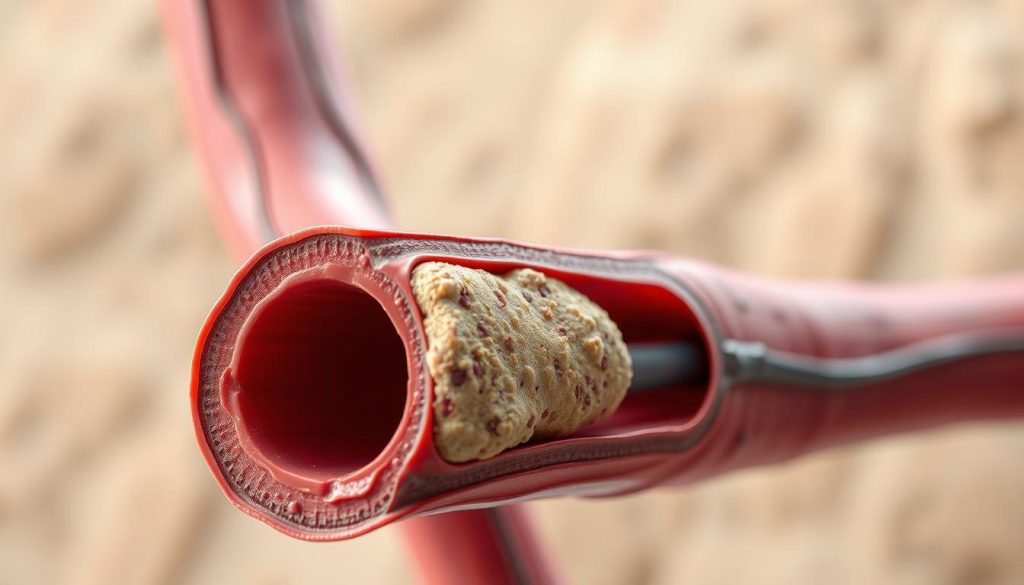
Feeling tired all the time, having trouble breathing, or chest pain that doesn’t go away with rest might mean you need this procedure. Not taking these signs seriously can be risky for your health.
Doctors use stress tests, electrocardiograms, and coronary angiograms to see how bad the blockage is. These tests help decide if angioplasty and stent placement are needed.
If you have sudden chest pain, call 911 right away. Quick action can save lives. For less urgent needs, call 832-644-8930 to set up an appointment and get advice tailored to you.
The procedure begins with preparing the access point, either on the wrist or groin. Patients often fast beforehand and get mild sedation. A small IV line is used for fluids and medications.
A thin catheter is then guided to the blocked artery. Live imaging helps the cardiologist find the exact spot for treatment. If you’re in a medical emergency, call 911. To schedule an appointment, call 832-644-8930.
Local anesthesia numbs the entry site. Mild sedation keeps discomfort low. Vital signs are closely watched to ensure patient well-being.
A tiny balloon is moved to the blocked area. When inflated, it pushes plaque against the artery wall. This allows blood to flow freely.
A mesh stent, sometimes drug-eluting, is placed to keep the artery open. Live images confirm the stent’s position. The balloon is then deflated and removed. Final checks ensure good blood flow.
| Phase | Key Focus |
|---|---|
| Preparation | Fasting, IV setup, local anesthesia |
| Balloon Inflation | Plaque compression, artery widening |
| Stent Placement | Mesh deployment, final artery check |
After the procedure, patients rest in a monitored area. The staff watches heart rhythm, blood pressure, and the insertion site. This ensures healing is on track. If you have urgent symptoms, call 911. To schedule an appointment, call 832-644-8930.
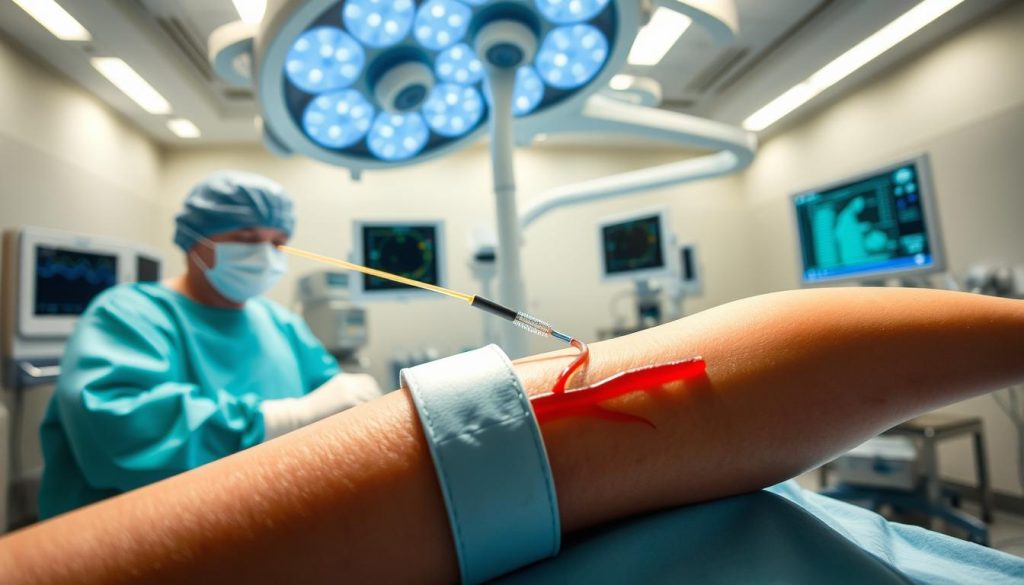
Many people can walk a few hours after treatment. A short hospital stay lets doctors check vital signs and suggest more activity. Most follow national recovery advice and go home in one or two days.
Being careful helps avoid problems. A little discomfort at the entry site is normal. Rest helps blood flow and lowers bleeding risk. Before leaving, you’ll get clear instructions on wound care and activity limits.
Medicines like blood thinners protect the stent. Cholesterol-lowering drugs help prevent artery narrowing. Regular check-ups with your cardiologist are important. For more information, see stenting guidelines.
| Timeframe | Key Steps | Reminders |
|---|---|---|
| First Day | Light movement | Report pain or swelling |
| Week One | Gradual return to daily tasks | Keep incision area clean |
| Ongoing | Attend follow-up appointments | Monitor for signs of infection |
Angioplasty is seen as a gentler option for those with coronary artery disease. It uses a precise method that cuts down on healing time and chest scarring. Many people feel better faster, making daily tasks easier. This method also improves long-term health without long hospital stays.
A minimally invasive procedure means no big cuts, which reduces pain and stress. Some patients can recover quickly with fewer limits. While it works for many, some might need surgery. If you’re in a medical emergency, call 911 right away. To schedule a visit, call 832-644-8930.
These treatments bring big benefits for those with coronary artery disease. They include:
| Benefit | Effect on Recovery |
|---|---|
| Reduced Scarring | Small entry points speed healing |
| Lower Complication Risk | Less impact on healthy tissue |
| Faster Relief | Improved comfort for everyday activities |
Many people find that angioplasty and stent placement open the door to a healthier life. This procedure is part of interventional cardiology. It aims to treat blocked arteries with minimal disruption.
Long-term success often requires balanced meals, daily movement, and a strong partnership with a trusted care team. Extra support may involve medication schedules, stress management, or follow-up testing. This helps prevent the need for another vascular intervention.
If a heart attack or similar crisis is suspected, call 911 without delay. To arrange a visit for personalized advice, reach out to our office at 832-644-8930. Early action and solid lifestyle choices have the power to protect your heart and improve your overall outlook.
An angioplasty is a way to open blocked arteries. A doctor uses a thin catheter and inflates a balloon to widen the artery. This helps blood flow better. Sometimes, a stent is placed to keep the artery open.
Coronary artery disease happens when plaque builds up in arteries. This buildup narrows the arteries and limits blood flow. It can cause chest pain, shortness of breath, or fatigue. Severe blockage can lead to heart attacks if not treated.
You might need this procedure if you have ongoing chest pain or a significant blockage. A doctor will check your arteries through imaging or catheterization. If you have severe symptoms or think you’re having a heart attack, call 911.
After widening the artery with a balloon, a stent is placed. It acts as a scaffold to keep the artery open. The team uses live imaging to expand the stent, then removes the balloon, leaving the stent in place.
Healthy habits are key to preventing further blockage. Quit smoking, eat well, manage stress, and exercise. These habits, along with regular check-ups and medication, improve outcomes after angioplasty.
After treatment, patients are monitored in the hospital. They are checked for stable recovery. Most can walk and go home in a day or two. Follow-up visits are important for tracking progress and adjusting medications.
Angioplasty uses a small incision, usually in the groin or wrist. It has less recovery time and scarring than open-heart surgery. It’s often effective for treating coronary artery disease with less risk.
Call 911 for severe or ongoing chest pain. It’s a life-saving step. For non-emergencies or to schedule a consultation, call 832-644-8930. Always seek professional advice for heart health concerns.
Every heart has a story…What’s yours?
Choose your appointment at one of our 7 locations