
Office Phone Number: (832) 644-8930
New Patient Appointments: (346) 662-1220
Peripheral artery disease (PAD), sometimes referred to as peripheral arterial disease, affects a whopping 200 million people globally, with 7 to 12 million in the US alone suffering from this medical condition 1. What’s even more frightening is the poor understanding of people about this condition. Therefore, we offer you a comprehensive PAD guide to overcome this health barrier. In this guide, we will explore the symptoms, causes, and various treatment options. So, without further delay, let’s read ahead.
Peripheral Artery Disease is a vascular disorder that occurs when the arteries responsible for supplying blood to your limbs, particularly the legs, become narrowed or blocked due to the buildup of fatty deposits, known as atherosclerosis 2.
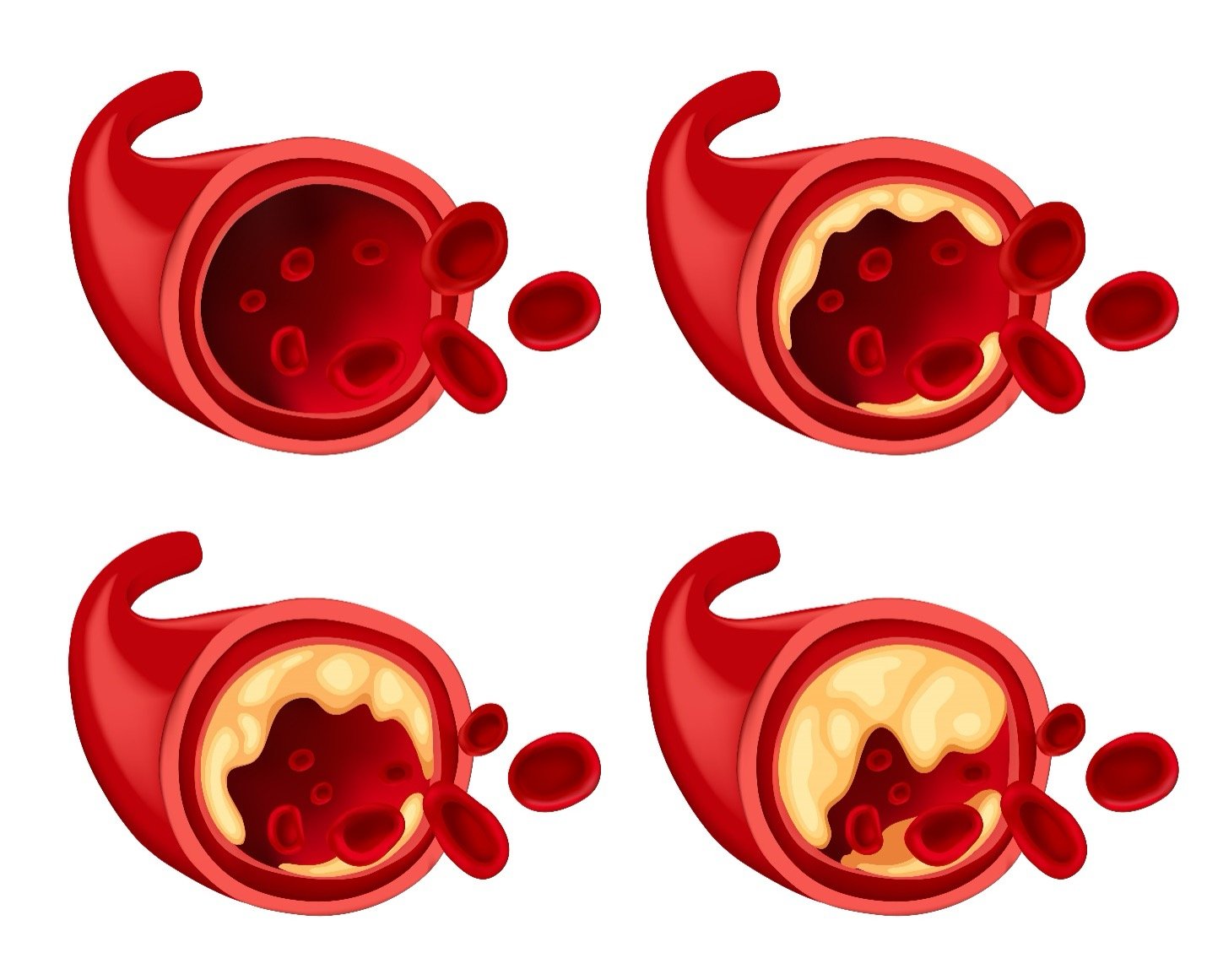
The inner lining of the arteries usually boosts a smooth surface, which prevents the formation of clots. However, under certain conditions, an atherosclerotic plaque – a collection of fat, cholesterol, and other substances 3 – forms inside your arterial wall.
The process of plaque formation is a slow one. Yet, over the years, it balloons to the size that can start blocking the lumen and threatening to choke the life out of the artery. As a result of these pathological changes, blood can’t get to the tissues below the blockage, resulting in damage and even death (gangrene) of the affected tissues.
In medical literature, all these changes, from a simple plaque buildup to gangrene – exclusively in extremities – encompass the scope of peripheral artery disease.
During the first few years, symptoms of PAD are usually not noticeable as the human body has a remarkable tendency to adapt to pathological changes. However, as the disease tightens its grip on your arteries, the first symptom that you start experiencing is intermittent claudication.
Intermittent claudication involves a cramping pain in the leg after walking to a distance. This is the hallmark symptom of PAD and usually subsides with rest 4. The pain signals that your leg muscles face a decreased supply of oxygen. The shorter the distance you cover before the pain sensation appears, the greater the severity of the disease.
Other common peripheral artery disease symptoms are 5,
Numbness or Weakness: People with PAD may experience numbness or weakness in the affected limb, making it challenging to walk or perform everyday activities.
Coolness or Discoloration: The affected leg may feel cooler to the touch or exhibit a bluish or pale discoloration, indicating reduced blood flow.
Sores or Ulcers: In severe cases, PAD can lead to non-healing sores or ulcers on the legs or feet, which may become infected if left untreated.
Hair and Nail Changes: Reduced blood flow can also lead to decreased hair growth on the legs and changes in the texture of nails.
Erectile Dysfunction: In some cases, PAD can affect blood flow to the genitals, leading to erectile dysfunction in men.
When the severity of the symptoms worsens over time, it’s best to consult an expert cardiologist at Modern Heart & Vascular for expert opinion.
The root cause of peripheral artery disease is often traced back to the presence of atherosclerosis 2. It is found to be present in every individual with PAD, making it a universal rival in the battle for better vascular health. Other rare causes of PAD involve inflammation, injury, and radiation exposure.
However, atherosclerosis alone is not enough to result in a complex disease like this. Several other risk factors play their part. Understanding these factors is important in both prevention and treatment of the disease process.
Age: In old age, your arteries lose their normal elasticity, which results in wear and tear to the inner lining. This is the reason why PAD is mostly seen in the older population 6.
Obesity: Around 65% of the people with PAD are either overweight or obese 7, making obesity a key player against vascular health.
Smoking: Tobacco use is a significant risk factor for PAD, as it damages blood vessels and accelerates the formation of plaque 8.
High Blood Pressure: Hypertension can damage artery walls and increase the risk of plaque buildup 9.
Diabetes: Individuals with diabetes are more susceptible to PAD due to high blood sugar levels that can damage blood vessels 10.
High Cholesterol: Elevated levels of LDL (bad) cholesterol contribute to the buildup of plaque in the arteries 11.

Modern Heart & Vascular specializes in diagnosing and managing PAD, offering a range of treatments tailored to individual needs.
Treatment options include,
You may have heard the saying, “The first step toward overcoming any medical condition is changing how you live.” The same is true for peripheral vascular disease. For starters, you should,
Your healthcare provider may prescribe medications to manage underlying risk factors, such as blood thinners, antiplatelet drugs, or statins. These medications help reduce the risk of clot formation and manage cholesterol levels 12.
While these medications do not cure the condition, they promise to reduce symptoms and slow the progression of the disease.
Sometimes, when the medicines cannot manage your symptoms, your cardiologists may prescribe surgical options for maintaining a higher quality of life. Three of the common surgical techniques used to treat PAD are,
Angioplasty and Stenting: It is a minimally invasive procedure that can help open blocked arteries, improving blood flow 13.
Atherectomy: It involves the surgical removal of atherosclerotic plaques from the arteries to restore proper blood flow 14.
Bypass Surgery: For severe cases of PAD, bypass surgery may be necessary to reroute blood flow around the blocked artery 15.
Interventional cardiologists and vascular surgeons at Modern Heart and Vascular are experts in performing these procedures, ensuring the best possible outcomes for individuals with PAD.
Peripheral Artery Disease is a complex condition that requires expert care and management. We at Modern Heart & Vascular, with our dedicated team of specialists, offer comprehensive solutions for individuals dealing with PAD.
We understand that early detection, lifestyle modifications, and tailored treatments are essential in managing this condition and improving the overall quality of life.
If you or a loved one experiences symptoms of PAD, do not hesitate to seek medical advice for the best possible care. Your vascular health is our priority, and we are committed to helping you live a healthier, more active life.

CARDIOVASCULAR CENTERS IN HOUSTON, TEXAS
Modern Heart and Vascular, a preventive cardiology medical practice, has several offices around Houston. We have locations in Humble, Cleveland, The Woodlands, Katy, and Livingston.
We are Modern Heart and Vascular Institute, a diagnostic and preventative medicine cardiology practice.
Every heart has a story… What’s yours?
Book an Appointment Today
At the Modern Heart and Vascular Institute, we offer state-of-the-art cardiovascular care with innovative diagnostic tools and compassionate patient care. Our priority at Modern Heart and Vascular Institute is prevention. We help patients lead healthier lives by avoiding unnecessary procedures and surgeries.
Contact us online to learn more and book an appointment. If you’d like to learn more about our practice, read our providers’ bios.
This article does not provide medical advice. It is intended for informational purposes only. It is not a substitute for professional medical advice, diagnosis, or treatment. If you need cardiovascular care, please call us at 832-644-8930.
Every heart has a story…What’s yours?
Choose your appointment at one of our 7 locations