
Office Phone Number: (832) 644-8930
New Patient Appointments: (346) 662-1220
Wounds are a part of life. Scrapes, cuts, and other injuries happen when we least expect them. Most minor wounds heal without much trouble, but sometimes things don’t go as planned. An infection can turn a small injury into a big problem. That’s why it’s important to know what to look for.
Recognizing the signs of infection early can help you get the care you need before things get worse. Knowing when to see a doctor is crucial. In a busy city like Houston, knowing where to seek help can save valuable time.
Don’t worry; we’ll help you understand the symptoms of wound infections. We’ll cover everything from redness and swelling to fever and delayed healing. By the end of this article, you’ll know not only how to spot an infection but also how to prevent one. Let’s get started on keeping those wounds clean and safe!
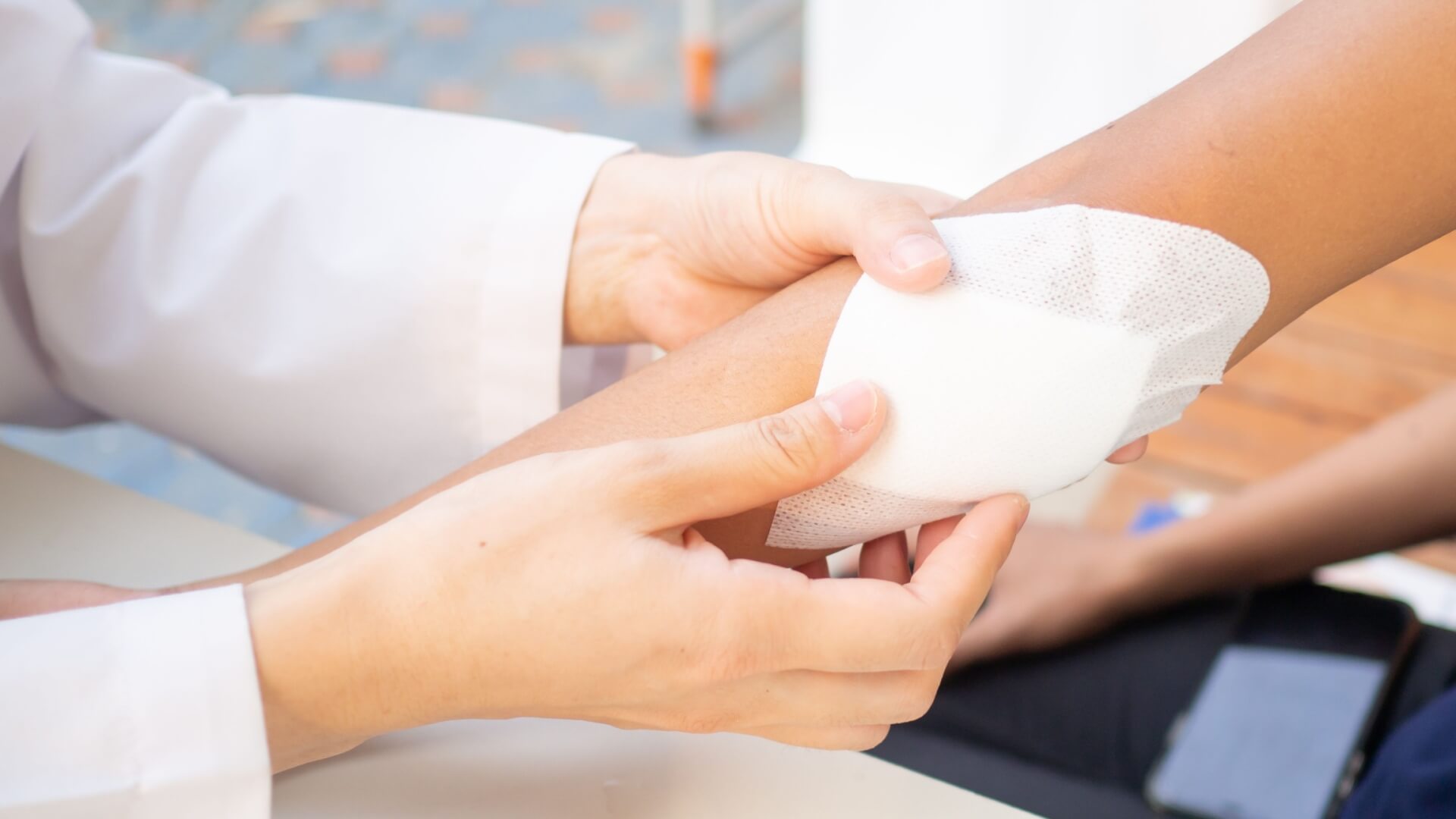
A wound infection occurs when bacteria enter a break in the skin and multiply, causing problems. This can happen with any type of wound, from a small cut to a deep gash. Infections can lead to serious health issues if left untreated, so recognizing the signs early is important.
Bacteria thrive in warm, moist environments, making wounds a perfect breeding ground. Common bacteria that cause infections include Staphylococcus, Streptococcus, and Pseudomonas. These bacteria can enter a wound through various means such as dirt, saliva, or even contaminated dressings.
Not all wounds get infected. Factors like the depth of the wound, the location, and how it’s treated can affect the risk. Proper wound care, including cleaning and dressing, can greatly reduce the chances of infection. Knowing what to look for can help you act quickly and seek medical help if needed.
Spotting the early signs of infection is key to preventing serious problems. Here are the most common initial signs to watch for:
The skin around the wound may become red and irritated. This is often one of the first signs that something is wrong.
Swelling indicates that your body is sending more blood to the area to fight off bacteria. If the swelling continues or worsens, it could be a sign of infection.
An infected wound often feels warm to the touch. This warmth is caused by the body’s inflammatory response to infection.
Pain around the wound site that gets worse can be an early indicator of infection. While some pain is normal, increasing pain is not.
If you notice any of these signs, it’s smart to keep an eye on the wound. Cleaning it again and applying a fresh bandage can help. If the signs persist, consider seeking medical advice.
Redness and swelling are common symptoms of a wound infection. Here’s how to identify and understand them:
Initial redness around the wound is a normal part of healing. However, if the redness spreads or intensifies over time, it could indicate an infection. Look for redness that extends beyond the immediate area of the wound and appears more severe than expected.
Swelling happens when your immune system sends cells and fluid to the wound site to fight off invaders. If the swelling doesn’t go down after a couple of days or worsens, it may be a sign of infection. Swelling that becomes hard or painful to the touch should be taken seriously.
It’s important to distinguish between normal healing and signs of infection. While some redness and swelling are expected, significant changes should not be ignored. Keep the wound clean and covered, and consult a doctor if you see concerning symptoms.
Pain and tenderness are also indicators that a wound might be infected. Here’s what to consider:
Some discomfort is normal with a wound, but pain that gets worse is a red flag. If touching the wound or the area around it becomes increasingly painful, it might be infected.
Tenderness means that the area is sensitive to pressure. Even gentle touches might cause pain. This tenderness can be constant or only occur when the wound is touched.
If pain and tenderness continue for more than a few days without improvement, it’s a sign that you need to take action. Changing the bandage, keeping the wound clean, and monitoring for other signs can help.
Knowing the difference between normal pain from a fresh wound and infection-related pain is crucial. Pay close attention to how the wound feels and seek medical help if the pain becomes unmanageable or is accompanied by other signs of infection.
Warmth around a wound is another sign that it might be infected. Here’s what to check for:
An infected wound often feels warmer than the surrounding skin. This warmth is due to increased blood flow as your body tries to fight off the infection.
If the warmth around the wound doesn’t go away or starts to spread, it indicates that the infection might be getting worse. Compare the temperature of the area around the wound with the skin further away.
You might notice that the skin around the warm area feels tight, shiny, or swollen. These changes usually accompany the warmth and are signs that you need to seek medical attention.
Feel the skin near the wound gently but regularly. Consistent warmth or heat indicates that your immune system is actively responding to an infection. Keep the wound clean and monitor it closely.
Unusual discharge or pus is a clear sign that a wound may be infected. Here’s how to recognize it:
Normal wounds can sometimes produce clear or slightly yellow fluid. However, thick, yellow, green, or white discharge is usually pus, indicating infection. Pus may also have a foul odor.
A significant increase in the amount of discharge is concerning. Monitor how much fluid is leaking from the wound and note any changes.
Pus often comes with other signs of infection, such as redness, swelling, and pain. If you notice these symptoms along with unusual discharge, seek medical help.
To manage discharge, keep the wound clean and covered with sterile dressings. Change the bandage regularly to prevent bacteria from spreading. If the discharge persists or increases, consult a doctor immediately.
A fever can be a warning sign of a serious infection. Here’s what to look for:
If you have a fever above 100.4°F (38°C), it might indicate that your body is fighting a significant infection. Use a thermometer to check your temperature if you feel unusually warm or cold.
Accompanying symptoms like chills, sweating, or feeling very tired can reinforce that a fever is related to a wound infection. These symptoms suggest that your body is working hard to combat bacteria.
A fever that lasts more than a couple of days or keeps coming back requires medical attention. Even a slight, persistent fever can be a sign of a deeper infection needing treatment.
If you develop a fever while managing a wound, it’s crucial to see a healthcare provider. A fever should not be ignored, especially if it comes with other signs of infection.
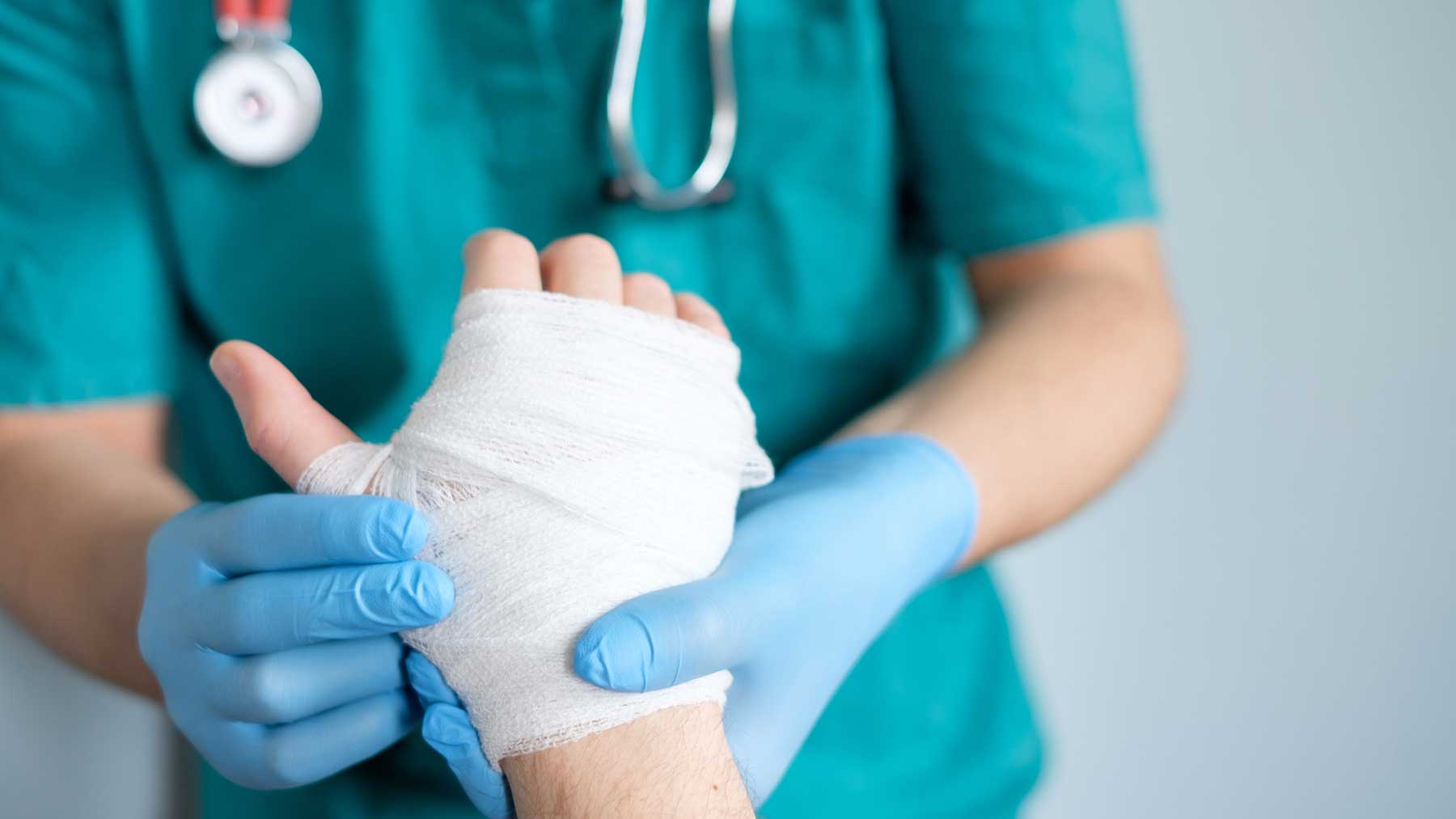
Delayed healing can signal that a wound is not recovering properly, potentially due to infection. Here’s what to understand:
Most minor wounds start to heal within a few days and completely heal within a couple of weeks. Wounds that don’t follow this timeline might be infected or experiencing other complications.
If the wound remains open, continues to drain, or doesn’t show signs of new skin forming, it indicates delayed healing. Other signs include persistent redness, swelling, and pain.
Infection is a common cause of delayed healing. Other factors can include poor blood circulation, diabetes, or immune system issues. Address these underlying causes to promote faster healing.
If your wound isn’t healing as expected, consult a healthcare professional to diagnose and treat any problems. They can provide interventions such as antibiotics or specialized wound care.
Monitoring how well a wound heals helps catch infections or other issues early. Proper care and seeking timely medical advice ensure better recovery outcomes.
Red streaks coming from a wound are a concerning sign. They often signal that the infection is getting worse and may be spreading through your lymphatic system, a part of your body’s immune system. The red streaks can show up as thin lines stretching out from the wound toward your lymph nodes.
If you notice red streaks, it’s crucial to see a doctor immediately. Ignoring this symptom can lead to severe complications.
Knowing when to see a doctor can be the difference between a simple infection and a more serious health problem. Here are some signs that you need to seek medical help:
It’s always better to be safe than sorry. If you’re in doubt, seeking medical advice can help.
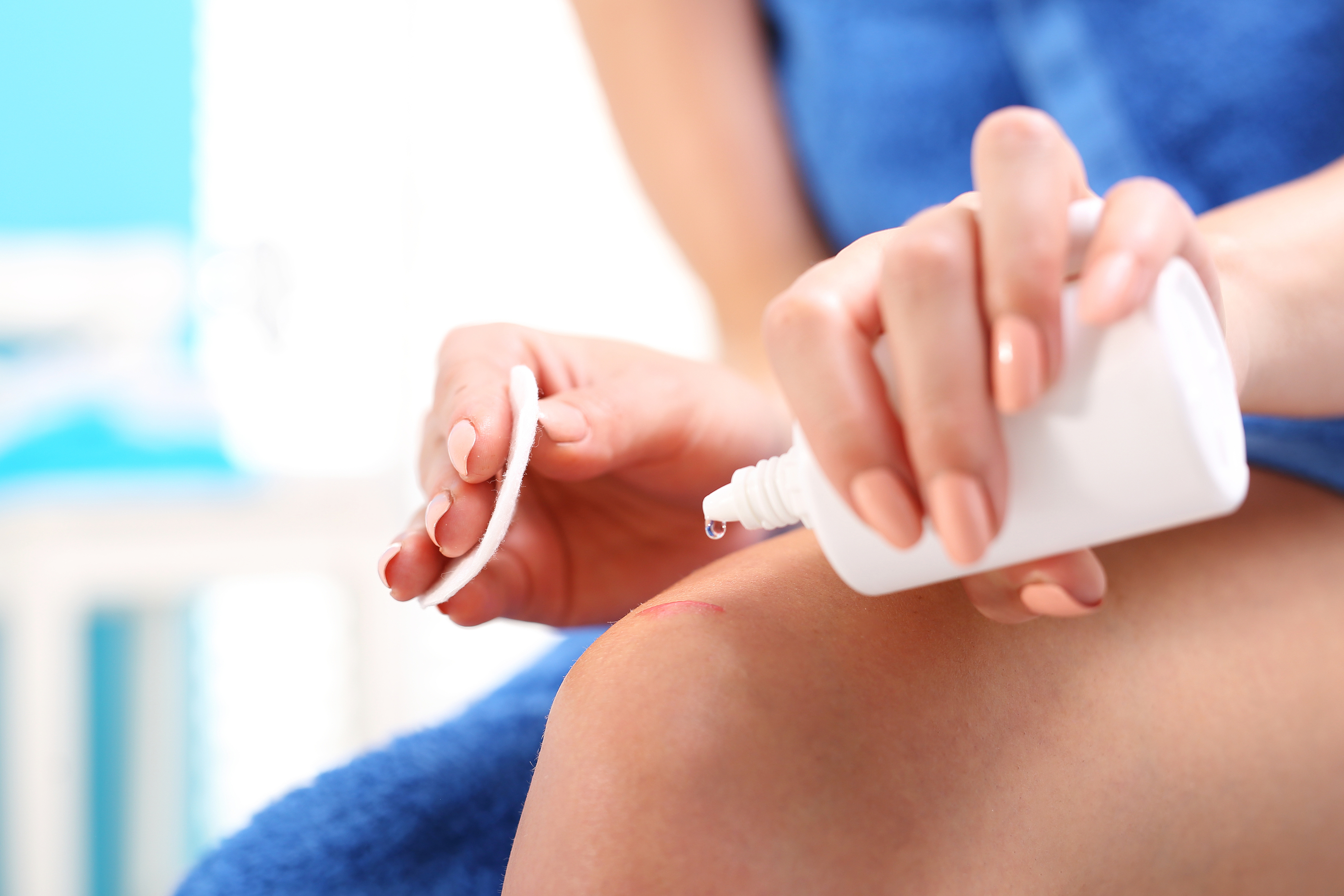
Preventing wound infections starts with good wound care practices. Simple steps can make a big difference in keeping a wound clean and infection-free.
1. Keep It Clean: Wash the wound with mild soap and water.
2. Use Antiseptics: Apply an antiseptic to kill germs.
3. Cover Properly: Use a clean bandage to cover the wound.
4. Change Dressings: Change the dressing daily or whenever it becomes dirty or wet.
5. Watch For Symptoms: Be on the lookout for any signs of infection.
These steps can prevent infections before they start and help speed up the healing process.
To care for wounds at home, you need some basic supplies. Here is a list of essential items you should have:
With these items, you can adequately care for minor wounds at home.
Caring for a wound correctly is essential to preventing infections and promoting healing. Look for signs like redness, swelling, pain, and unusual discharge. If you see red streaks or experience high fever, seek medical help quickly. Preventing infections is achievable with good wound care practices and essential home supplies.
If you live in Houston and need expert medical advice, Modern Heart and Vascular Institute is here to help. Schedule your appointment today to ensure your health and well-being!

CARDIOVASCULAR CENTERS IN HOUSTON, TEXAS
Modern Heart and Vascular, a preventive cardiology medical practice, has several offices around Houston. We have locations in Humble, Cleveland, The Woodlands, Katy, and Livingston.
We are Modern Heart and Vascular Institute, a diagnostic and preventative medicine cardiology practice.
Every heart has a story… What’s yours?
Book an Appointment Today
At the Modern Heart and Vascular Institute, we offer state-of-the-art cardiovascular care with innovative diagnostic tools and compassionate patient care. Our priority at Modern Heart and Vascular Institute is prevention. We help patients lead healthier lives by avoiding unnecessary procedures and surgeries.
Contact us online to learn more and book an appointment. If you’d like to learn more about our practice, read our providers’ bios.
This article does not provide medical advice. It is intended for informational purposes only. It is not a substitute for professional medical advice, diagnosis, or treatment. If you need cardiovascular care, please call us at 832-644-8930.
Every heart has a story…What’s yours?
Choose your appointment at one of our 7 locations